

A fire that races through its fuel is impressive for about five minutes. Then it becomes a stove that is too hot to cook over, too smoky to sit beside, and finished long before the evening is. Good wood burning stove flame control changes that. It gives you a flame with purpose: quick heat when you need it, steady coals for cooking, and a warm center for the people gathered nearby.
The goal is not to make the smallest flame possible. A healthy wood fire needs enough oxygen to burn cleanly. The skill is learning how fuel, airflow, and firebox loading work together, then making small adjustments instead of fighting the fire with constant changes.
Flame control starts before the match
Most fire problems begin with the wood, not the air vent. Wet, oversized, or poorly arranged fuel forces you to compensate with airflow, often creating smoke and uneven heat. Start with dry, seasoned hardwood that has been split to a practical size for your stove. Wood that is truly ready to burn should feel light for its size, show cracks at the ends, and sound sharp rather than dull when two pieces are knocked together.
Softwoods and small splits have a place, especially when starting a fire. They catch quickly and establish a hot bed of coals. Hardwood burns longer and more evenly, making it the better choice once you want the stove to settle into a controlled rhythm. The best setup often uses both: easy-lighting material at the beginning, followed by hardwood once the firebox is hot.
Avoid loading the stove with one oversized log just because it promises a long burn. A large piece can smolder at the edges, block airflow, and make the flame difficult to read. Two or three appropriately sized pieces with space between them usually produce more predictable heat and a cleaner burn.
Build a fire that can regulate itself
A strong start makes later adjustments far easier. Open the air controls fully, then build with enough kindling and small split wood to create a fast, hot flame. Leave deliberate gaps between pieces. Fire needs passages for air, not a tightly packed pile of fuel.
A top-down fire lay can be especially useful in an outdoor wood stove. Place larger pieces on the bottom, medium splits across them, then kindling and a fire starter at the top. As the fire burns downward, it heats the wood below and reduces the need to disturb the load. The flame remains visible, while the developing coal bed supports the next stage of the burn.
Let the stove warm up before turning it down. Closing the air too soon is one of the most common mistakes. It may appear to preserve fuel, but it often starves the fire before the stove and flue are hot enough to draft properly. The result is a lazy flame, dark smoke, and soot where you would rather see clean glass or clear flame.
Once the kindling has burned down and the larger wood is actively ignited, begin reducing airflow in small increments. Wait a few minutes after each adjustment. Fire responds with a delay, so repeated, rapid changes usually lead to overcorrection.
Read the flame, not just the dial
Air controls are useful, but they are not a universal recipe. Wind, outdoor temperature, chimney or flue configuration, wood species, and the amount of fuel in the firebox all affect draft. The flame tells you what the stove needs.
A bright, active flame that leans hard in one direction may indicate strong draft or more air than the current fuel load requires. Reduce the intake gradually, but do not close it so far that the flame disappears. A calm, lively flame with occasional movement across the wood is usually a better target than a roaring blast.
A weak flame that clings to the wood, produces thick smoke, or leaves blackened surfaces is asking for more heat or oxygen. Open the air control, check whether the wood is damp, and make sure ash has not restricted the air path. If you have just added a large log, give it smaller, hotter fuel to help it catch rather than shutting the stove down and hoping it improves.
The right setting is the one that produces clean combustion for the job at hand. High heat for boiling water or getting dinner started is different from a measured flame that carries a conversation into the cooler hours.
How to use air controls with intention
Many wood stoves use a primary air control near the base of the firebox. This feeds oxygen to the fuel and is most influential during startup and when reviving a fading coal bed. Some designs also use secondary air to encourage gases and particulates to burn higher in the firebox. Others create an air curtain that helps keep the viewing area clearer while supporting a more complete burn.
Whatever system your stove uses, the principle remains simple: open air creates a faster, hotter burn; reduced air slows the rate of combustion. But reduced does not mean closed. Starving a wood fire can create smoke, creosote buildup in vented systems, and unnecessary emissions. Keep the fire burning with visible flame whenever possible.
For a controlled, longer burn, wait until you have a stable coal bed. Rake the coals into an even layer, add one or two dry hardwood splits, and leave enough room for air to circulate. Open the intake briefly after reloading so the fresh wood ignites cleanly. Then reduce it in stages as the new load catches.
If you are cooking, adjust for the cooking method rather than chasing a certain look. A pot of coffee benefits from a lively fire. Skewers and grilled vegetables need a reliable bed of coals and less direct flame. For cast iron, the most useful heat often comes after the initial flare settles, when the stove has a consistent core of embers.
Reload without losing the fire
Opening the door or firebox abruptly can pull smoke toward you and disrupt the draft. Before reloading, open the air control for a short moment to strengthen the flame. Crack the door slowly, pause, then open it fully once the draft is moving in the right direction.
Place fresh wood on or just behind the hottest coals, rather than dropping it randomly on top. If the coals are weak, use a smaller split first. When the new piece has charred and shows flame along its edges, you can return the air control toward your desired setting.
Do not reload too early simply because there is still a visible flame. Let the current load earn its heat. Reloading a crowded firebox reduces airflow and can send usable fuel out of the stove as smoke. A little space inside the firebox is often what keeps the burn clean and composed.
Common flame-control mistakes
The fastest way to improve your fire is to stop treating every problem as an airflow problem. These four habits account for most frustrating burns:
- Closing the air control immediately after lighting, which cools the fire before draft is established.
- Burning damp wood, which uses fire energy to boil off water instead of creating useful heat.
- Overloading the firebox, which restricts airflow and makes each new log slower to ignite.
- Adjusting vents every minute, which prevents you from seeing how the previous adjustment actually performed.
A better fire changes the whole gathering
There is a difference between having a fire and hosting around one. The first can be accidental. The second is shaped with intention: dry wood stacked nearby, a stable flame at the center, a grill or pot ready when someone gets hungry, and enough control that nobody has to keep stepping away from the conversation to rescue the burn.
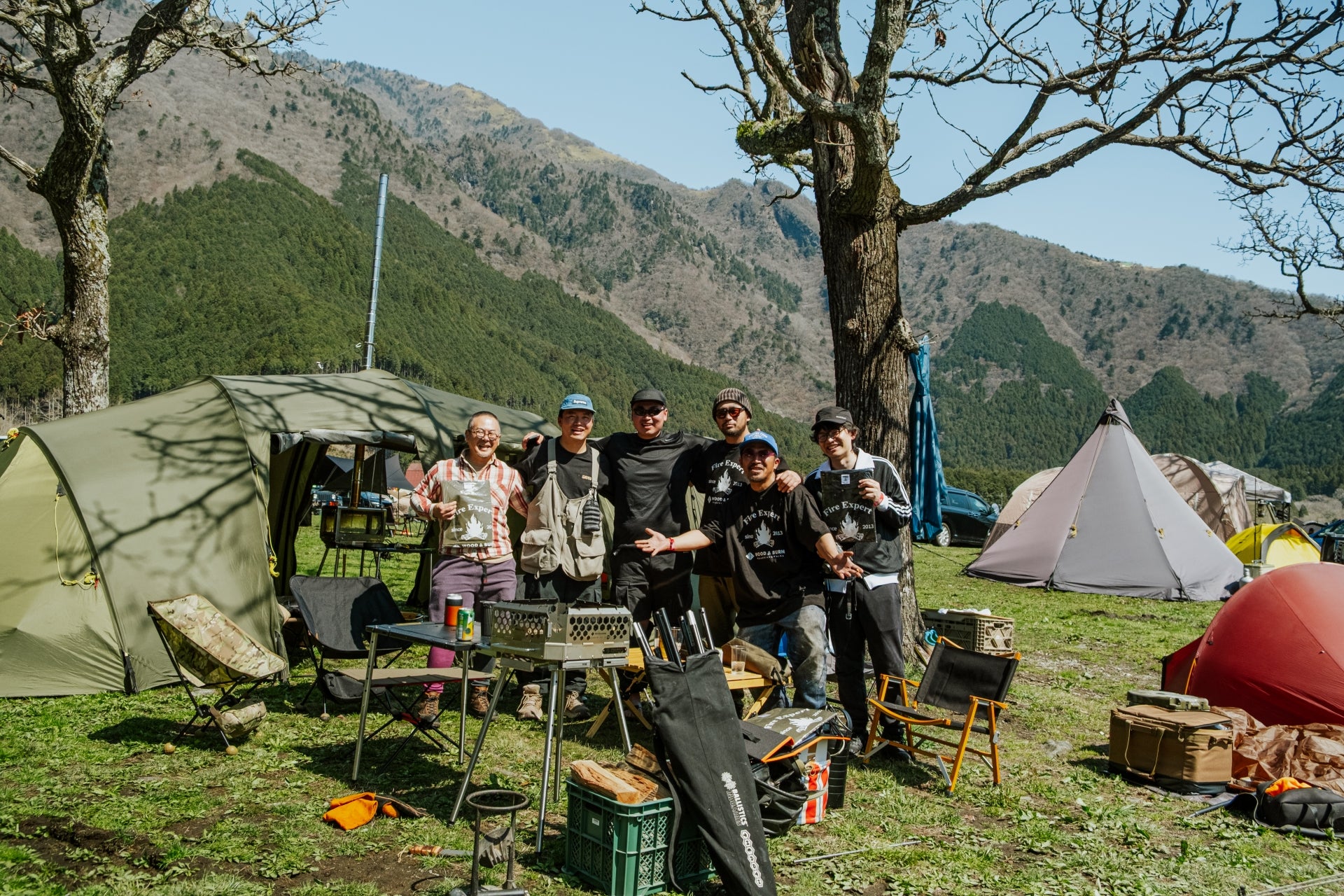
WOOD&BURN designs outdoor fire equipment around that kind of ease. A well-managed flame makes a compact stove feel less like a piece of hardware and more like the heart of camp, the backyard, or a place you will always remember.
Start with dry fuel, give the fire room to breathe, and make one measured adjustment at a time. Soon, the flame will stop demanding your attention and start making room for what brought everyone outside in the first place.