

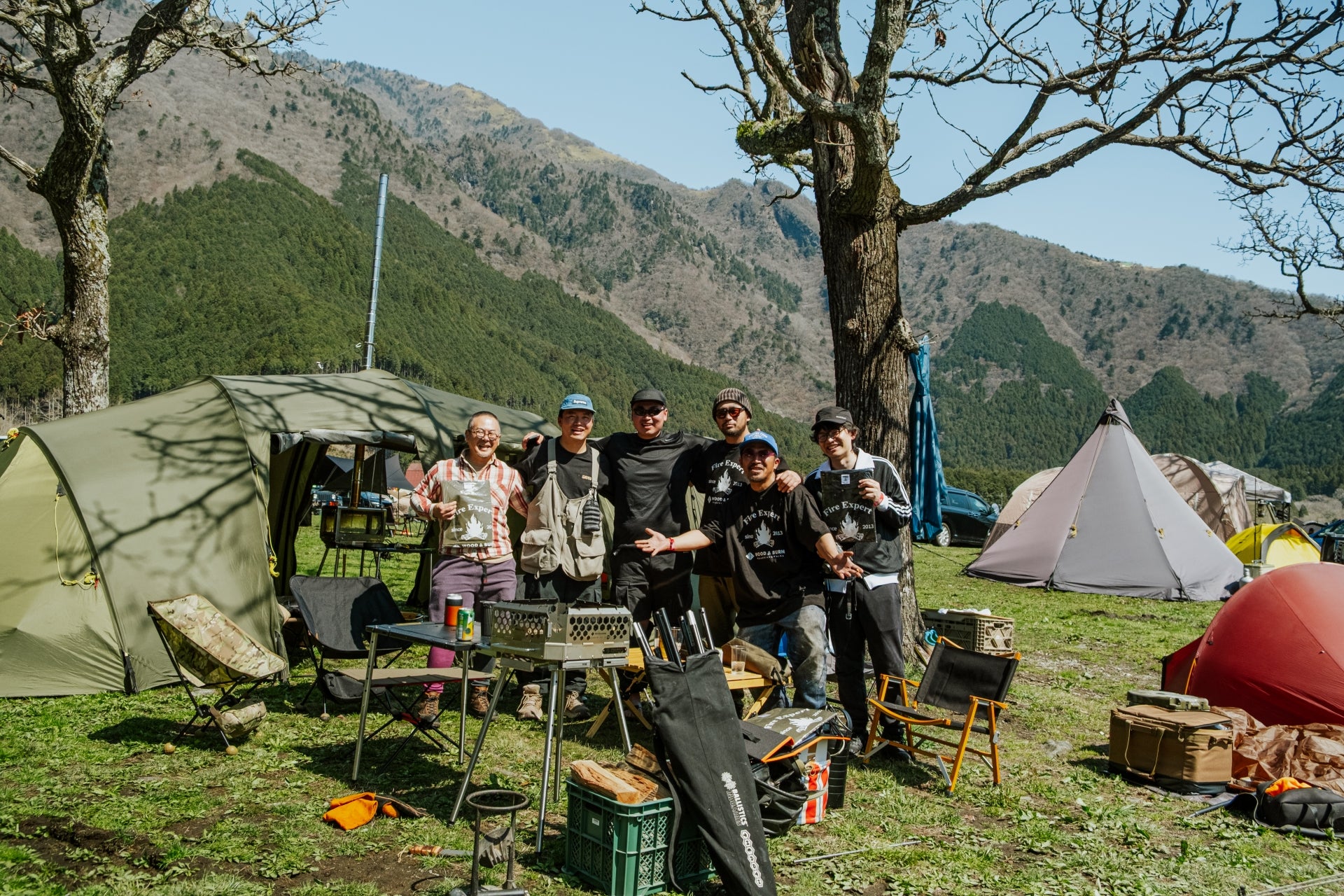
A portable wood stove for camping can change the character of a cold-weather campsite. Instead of gathering around a smoky, uneven fire ring and hoping dinner cooks before the coals disappear, you have a deliberate center for warmth, flame, and food. The right one earns its space in the vehicle because it makes the time outside feel less improvised and more shared.
But “portable” means different things to different campers. A lightweight backpacking stove built for boiling water is not the same as a compact wood-burning fire pit or camp stove designed to warm a group and hold a grill. Choosing well starts with the kind of camp you want to build.
What a Portable Wood Stove for Camping Should Do
For car campers, overlanders, and groups setting up a basecamp, the best portable stove is rarely the smallest option. It should pack efficiently, set up without a puzzle, manage wood cleanly, and give people a reason to stay outside after dinner.
That last point matters. A good fire appliance is not only a heat source. It becomes the heart of camp: the place where someone turns vegetables over the grate, another person feeds in a split log, and the conversation lasts longer because the warmth is steady.
Start by deciding which role matters most. If your priority is fast coffee and minimal weight, a small biomass backpacking stove may be enough. If you want to cook dinner, create a controlled fire, and gather four or six people around it, look for a more substantial camp stove or modular fire pit system. If you are winter camping in a tent designed for a stove jack, a sealed tent stove with a proper chimney is a separate category entirely.
Never use an open wood stove, fire pit, or charcoal grill inside a tent, vehicle, enclosed shelter, or poorly ventilated space. Carbon monoxide and fire risk are not inconveniences to work around. They are reasons to choose the correct equipment for the setting.
Start With Your Campsite, Not the Product
A stove that feels perfect at a drive-in campground can be excessive at a walk-in site. Before comparing materials or accessories, consider how far you carry your gear, how many people you typically camp with, and what fuel is realistically available.
For a weekend car-camping trip, weight is often less important than how the stove nests into the rest of your kit. A compact, rigid unit that stacks neatly in a tote may be easier to live with than an ultralight model with loose panels, delicate hardware, and a long setup routine. Overlanders may place more value on a stove that stores flat, handles uneven ground, and moves easily from campsite to trailhead lunch stop.
Fuel availability is equally practical. Some campgrounds prohibit collecting downed wood, and many areas require local firewood to limit the spread of invasive pests. In fire-restricted regions, even a well-contained wood-burning stove may not be permitted. Check site rules before leaving home and bring approved local wood when required.
The goal is not to force a fire into every trip. It is to have a well-designed option when conditions and regulations allow it.
Heat Is About Control, Not Just Flame Size
A large flame looks impressive for a moment. Controlled combustion is what makes a stove useful all evening.
Look for a design that gives the fire a predictable path for airflow. Purposeful air intake helps wood catch without constant tending, while an elevated burn area can improve circulation underneath the fuel. In better-engineered systems, airflow also helps reduce the smoke that otherwise follows every shift in the wind.
That does not mean a portable wood stove becomes smokeless in every condition. Damp wood, overloaded fuel, and poor fire-building technique will still create smoke. The difference is that a thoughtfully designed stove makes clean burning easier to achieve. Start with dry kindling, leave room between pieces of wood, and add fuel gradually rather than burying a young fire under oversized logs.
Fire containment matters, too. A raised body keeps heat and embers more controlled than a ground fire, which can protect the immediate campsite when used on an appropriate surface. It is still essential to maintain clearance from dry grass, tents, chairs, awnings, and low branches. Put the stove on stable, level ground and keep water or an extinguisher nearby.
Choose a Cooking Setup That Matches Your Meals
The most useful camp stove is one that supports how you actually cook. A pot stand is enough for coffee, oatmeal, and a simple one-pot meal. It becomes limiting when the menu includes fish, burgers, skewers, cast-iron vegetables, or a late breakfast for a group.
A dedicated grill surface creates a more flexible camp kitchen. Adjustable grill height is especially valuable because wood fires move through stages. You may want high heat for searing over active flame, then more distance from the coals for slower cooking. A stable grate also makes cooking calmer. You can focus on food instead of balancing a pan over uneven rocks.
Think about cleanup before buying, not after the first meal. Ash collection, removable cooking surfaces, and access to the burn chamber all affect whether a stove feels considered or cumbersome. Charred residue is part of live-fire cooking, but it should not turn packing up into a long negotiation with soot.
A modular system can be the strongest choice for campers who cook in different ways across the year. Bring the core fire unit for a simple overnight. Add a grill or cooking accessory when the trip centers on meals. WOOD&BURN approaches this idea through adaptable fire systems that can move between cooking, warmth, and gathering without asking a campsite to carry separate equipment for each purpose.
Materials, Packability, and the Real Cost of Durability
Stainless steel is popular for portable wood stoves because it resists corrosion and holds up well to repeated heating. Thicker steel generally brings more stability and longevity, though it also adds weight. Lightweight titanium reduces the load for backcountry travel, but it can cost more and may not offer the same planted feel for group cooking.
There is no universal winner. A solo camper carrying gear for miles has a different equation than a family loading a truck for three nights by a lake.
Pay attention to the details that determine whether a stove travels well: folding legs that lock securely, handles that are comfortable when cool, panels that do not rattle loose, and a shape that can be carried without catching on every other piece of gear. A stove does not need to be featherweight to be portable. It needs to be easy to transport, quick to deploy, and worth bringing again.
Also consider the finish it will earn over time. Heat discoloration, darkened grates, and surface marks are normal signs of use. Premium outdoor equipment should be made to age with the stories attached to it, not remain untouched in a garage.
Set Up the Fire With Respect for the Place
The cleanest campsite leaves little evidence that a fire happened there. A portable stove helps, but it does not remove the responsibility to protect the ground beneath it or pack out what remains.
Choose a bare, durable surface whenever possible. Avoid placing a hot stove directly on picnic tables unless the manufacturer specifically approves it and you have adequate heat protection. Keep wood, cooking oil, and paper packaging away from the fire zone. Once the meal is done, let the fuel burn down naturally when conditions allow, then extinguish thoroughly and confirm that ash is cold before disposal.
Ash management deserves more care than it gets. Do not scatter ash where it can blow into neighboring campsites or wash into waterways. Follow local campground instructions, and when no disposal option is provided, contain cold ash securely until you can pack it out.
Build the Kind of Camp People Linger In
A fire is most satisfying when it does more than burn. It should make dinner easier, make cool air comfortable, and create a place where people naturally pull their chairs closer.
Choose a portable wood stove for camping around the pace of your trips, not a specification sheet alone. When the setup is intuitive, the cooking surface is useful, and the flame is managed with care, there is more room for the part that matters: staying outside a little longer with the people who made the trip worth taking.