

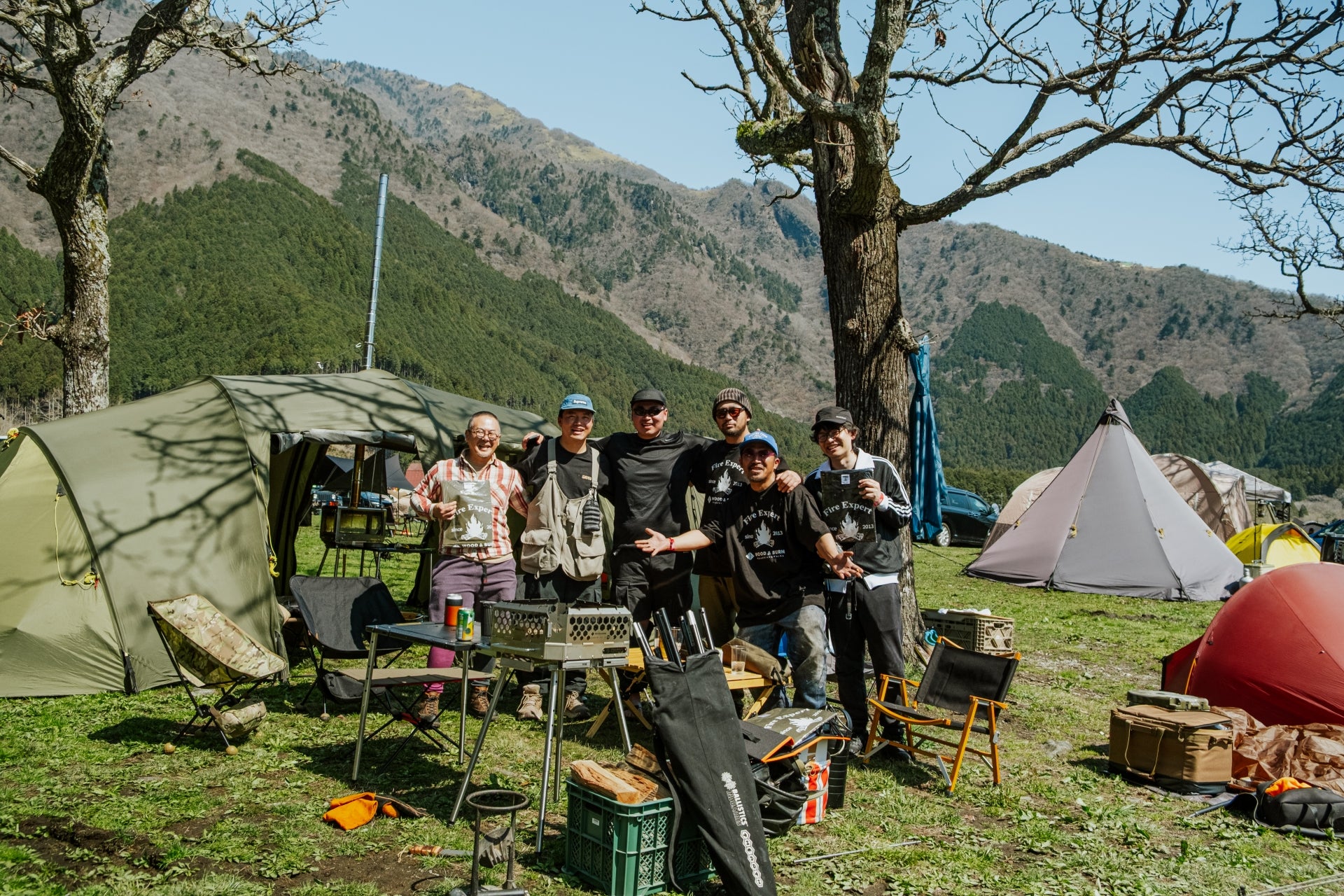
A campsite meal changes when the grill is built for more than getting food hot. It becomes the center of the evening: coffee warming at sunrise, vegetables charring beside the fire, and a late dinner that keeps everyone outside a little longer. This portable grill review focuses on the details that determine whether a compact grill earns its space in the vehicle - and whether it makes cooking outdoors feel considered rather than compromised.
The best portable grill is not necessarily the smallest, lightest, or hottest option. It is the one that fits the way you gather. A solo hiker has different needs from a family of four, just as an overlander with room for a fire-cooking system can make a different choice than someone carrying gear down to a lakeside site. Start there, then look closely at how the grill handles heat, food, fuel, and the trip home.
Portable Grill Review: The Features That Matter
A portable grill should reduce friction, not introduce it. That means it should set up without a lengthy ritual, hold steady on uneven ground, and provide enough useful cooking area to avoid preparing dinner in shifts. The right balance is rarely found in a single specification.
Weight matters, but packed shape often matters more. A 20-pound grill that folds into a flat, secure case may travel more easily than a lighter model with loose legs, grates, and ash components. Look at the whole system: the grill body, stand, lid if included, fuel storage, cooking tools, and the space needed to let it cool before packing.
Cooking surface is another number that can mislead. A wide grate is valuable only if heat reaches it evenly and there is room to move food away from the hottest zone. For two people, a compact surface can be ideal. For a group meal, the ability to create direct and indirect heat is more useful than simply adding square inches.
Heat control separates a grill from a fire box
Charcoal brings depth of flavor and a slower, more deliberate cooking rhythm, but it asks more of the grill’s design. Airflow needs to be controllable. Ash needs somewhere to go. The grate should sit at a practical distance from the coals, ideally with an adjustable height or a reliable way to establish distinct heat zones.
Without control, compact charcoal grills can run too hot at the center and leave cooks chasing flare-ups around the grate. A thoughtful design uses vent placement, coal-bed depth, and grate geometry to keep the fire responsive. You should be able to sear a steak, then slide it to gentler heat while cooking mushrooms or warming flatbread nearby.
Open-fire cooking systems offer another approach. When a grill is designed to work above a contained wood fire, the fuel becomes part of the experience rather than an inconvenience. This is especially compelling for campers and hosts who want one piece of equipment to provide warmth, atmosphere, and a real cooking surface. The trade-off is attention: wood fires are alive, variable, and worth learning. They reward a cook who enjoys tending the flame.
Stability is not a minor detail
A grill can have excellent materials and still fail the moment a crowded grate shifts on a rocky campsite. Wide-set legs, positive locking points, and a low center of gravity create confidence when you are turning food with one hand and holding a plate with the other.
Consider the height as well. Very low grills are compact, but they can turn every meal into a crouched exercise. Taller freestanding designs are more comfortable for extended cooking and better suited to a backyard gathering. If your plans include both, an adjustable or modular configuration offers more value than a purpose-built unit with only one posture.
Choose Fuel for the Way You Cook
Fuel choice shapes the entire portable-grill experience. There is no universal winner, only a better fit for a particular kind of outing.
Gas grills are fast, predictable, and convenient for quick lunches or places where charcoal and wood are restricted. They are especially useful when timing matters and cleanup needs to be minimal. Their compromise is character: even strong gas grills do not create the same live-fire aroma, coal-crust sear, or communal pull of a visible flame.
Charcoal grills are often the sweet spot for cooks who want portability with real grilling results. They can reach high searing temperatures, use familiar fuel, and make a modest meal feel generous. Allow time for lighting and cooling, and choose a model with a well-managed ash system. A removable ash tray may seem like a small convenience until you are trying to leave a campsite cleaner than you found it.
Wood-fired grills and fire-pit cooking systems create the fullest outdoor ritual. They ask for dry wood, patient fire management, and awareness of local fire rules. In return, they make it possible to cook, gather, and stay warm around a single source of flame. For people who camp often or host outdoors well into the shoulder seasons, that versatility can justify a more substantial system.
Materials, Cleanup, and the Long View
Premium outdoor equipment should look better after a season of use, not become a collection of loose fasteners and warped panels. Stainless steel resists corrosion and is straightforward to clean, though thinner stainless can discolor and distort under intense heat. Coated steel may offer a refined finish, but it needs careful use and dry storage to protect that surface.
Cast iron grates deliver exceptional heat retention and defined sear marks. They also add weight and need seasoning to prevent rust. Stainless grates are lighter and easier to maintain, making them a practical choice for frequent travel. Neither is automatically better. Choose cast iron if searing performance is central to your cooking; choose stainless if speed, lower weight, and simple cleanup define the trip.
Pay attention to the parts that are easy to overlook: hinges, handles, fasteners, ventilation controls, and carry latches. Handles should stay usable when the grill is hot. Latches should not pop open in transit. Replacement grates and components should be available, because a grill designed for years of gatherings should not become disposable after one damaged part.
Cleanup is where good intentions meet reality. Grease channels, ash collection, and accessible corners matter more than a polished product photo suggests. A grill that takes ten frustrating minutes to clean at the end of a long day may stay in the garage next time. One that contains ash and wipes down easily is more likely to become part of your regular routine.
Think in Systems, Not Single Products
The most useful portable grill often belongs to a broader outdoor cooking system. A fitted cover, carrying case, side shelf, griddle, elevated grate, or fire-management accessory can change how frequently you use the core piece. Modularity is not about accumulating gear for its own sake. It is about choosing a foundation that can serve a simple weekday cookout, a remote camp meal, and a long table of friends without requiring a different grill for each occasion.
This is where design-minded equipment stands apart. WOOD&BURN approaches live-fire gear as an adaptable gathering place, with configurations that can move between warmth, grilling, and open-fire cooking. For buyers who value both visual restraint and practical flexibility, that philosophy is worth seeking in any portable setup.
Before buying, picture the first three meals you will cook. If one is breakfast for two, one is burgers for six, and one is a quiet dinner beside the tent, your grill should support all three without asking you to work around its limits. That simple test reveals more than a comparison chart.
The Right Grill Makes Room for the Moment
A portable grill is a good investment when it travels easily enough to come along and cooks well enough that people gather around it. Do not buy capacity you will never use, or chase minimal weight if it leaves you with unstable legs and no temperature control. Buy for the meals you want to make and the people you want beside you.
Then give the fire a little time. A well-built grill does more than feed a group outdoors - it gives the evening a center, and makes an ordinary patch of ground feel like a place you will always remember.