

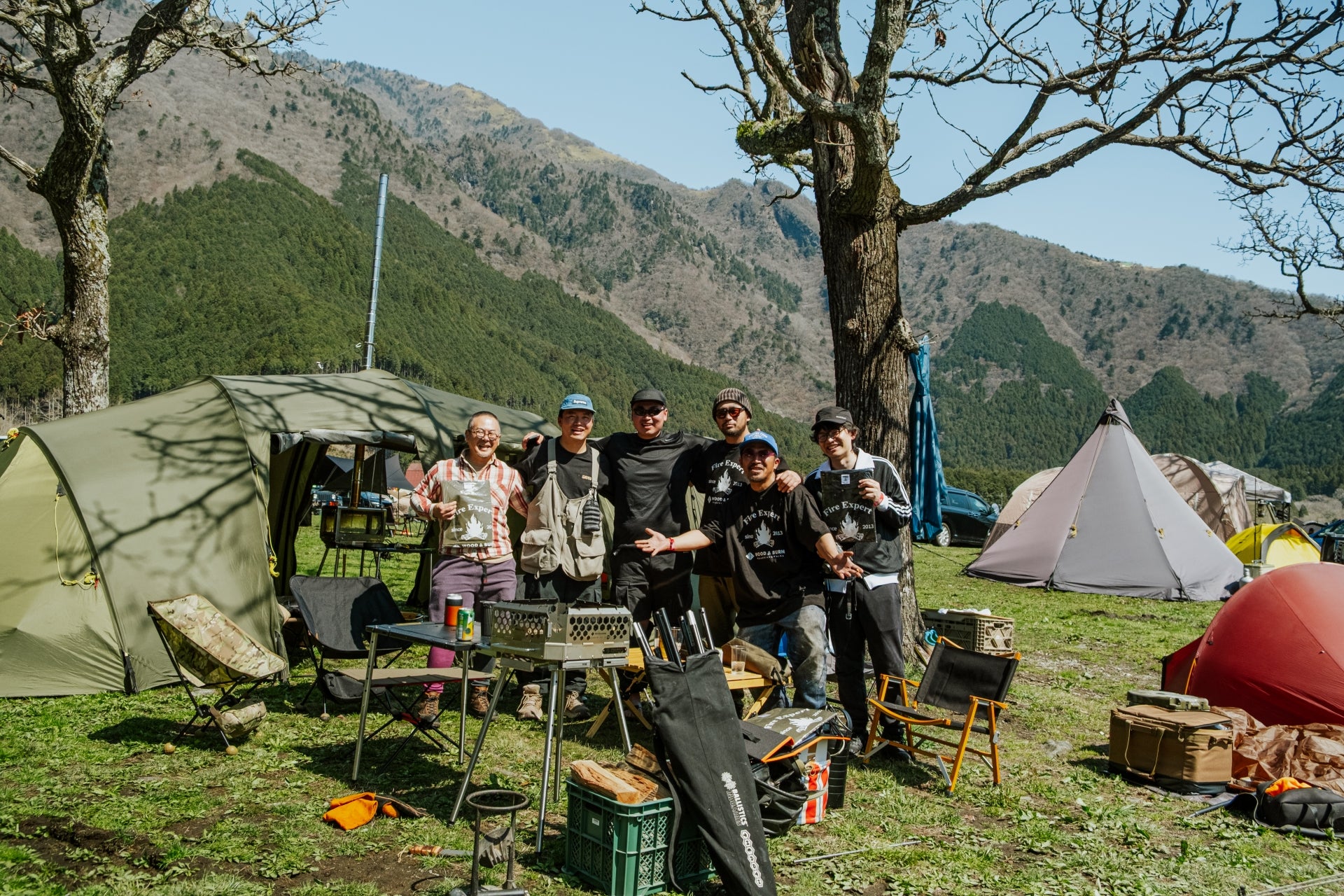
A ribeye needs a hard, even sear. A cast-iron skillet of beans needs steady coals. A whole fish or a pot of coffee benefits from the quiet character of burning wood. Charcoal vs wood cooking is not simply a choice between two fuels. It is a decision about pace, flavor, fire management, and the kind of evening you want to create around the grill.
The best fuel is rarely the one with the loudest claims. It is the one that matches your food, your cooking setup, and how much attention you want to give the fire. Charcoal offers dependable heat and a cleaner canvas for ingredients. Wood brings visible flame, aroma, and a more hands-on rhythm. Both can make an exceptional meal outdoors.
Charcoal vs Wood Cooking: Start With the Heat
Charcoal is wood that has already been transformed by heat in a low-oxygen environment. Much of its moisture and volatile material has been removed, leaving a dense fuel that burns hot and relatively consistently. That makes charcoal especially useful when temperature control matters more than flame.
A bed of fully lit charcoal produces radiant heat that is ideal for direct grilling. It can brown a burger quickly, crisp chicken skin, and give vegetables a deep char without requiring constant additions of fuel. With a lid, vents, and a two-zone setup, charcoal can also handle slower work: pork shoulder, chicken quarters, or a thick steak finished indirectly before its final sear.
Wood begins with more variables. Species, split size, seasoning, airflow, and weather all affect how it burns. A small split of dry oak behaves very differently from a thick piece of fruitwood. That variability is not a drawback when you want an active, expressive fire. It simply asks the cook to stay present.
For open-fire cooking, let wood burn down first. The goal is not to cook over tall flames whenever possible, but over the glowing coal bed they create. Those embers provide steadier heat, fewer flare-ups, and a more forgiving surface for a grill grate, Dutch oven, or skillet.
Briquettes or Lump Charcoal?
Briquettes are uniform, long-burning, and easy to arrange. Their predictability makes them a strong choice for longer cooks, especially when you want repeatable results. Quality briquettes can also create a stable two-zone fire with little fuss.
Lump charcoal is made from carbonized hardwood pieces. It often lights quickly, responds fast to added oxygen, and can reach high temperatures for searing. Because the pieces vary in size, it can burn less evenly than briquettes. For a quick weeknight grill or a live-fire setup where you are already tending the coals, that responsiveness can be part of the appeal.
Flavor: Smoke Is an Ingredient, Not a Requirement
The flavor difference in charcoal vs wood cooking is real, but it is often overstated. Most of the flavor on grilled food comes from browning, rendered fat, seasoning, and the quality of the ingredient itself. Fuel influences that foundation through smoke and combustion byproducts.
Charcoal gives food a familiar grilled profile without overwhelming delicate ingredients. It is a good match for foods that already carry strong flavor: marinated chicken, spice-rubbed pork, mushrooms, corn, or a well-seasoned burger. If you want smoke, add a small amount of dry hardwood to the charcoal after the fire is established.
Wood can provide a more distinct aromatic layer. Oak is balanced and versatile. Hickory is bold and savory. Apple and cherry are lighter, gently sweet options for poultry, pork, and vegetables. Mesquite burns hot and fast with an assertive smoke character, so it rewards a lighter hand.
More smoke does not automatically mean better food. Thick, white smoke can deposit bitter compounds and leave food tasting acrid. The cleanest flavor comes from dry, seasoned wood burning with adequate airflow. Look for a thin, almost transparent blue smoke once the fire is settled. If your eyes are watering, your food may be headed in the same direction.
Choose Charcoal When You Want Precision
Charcoal is the practical choice when dinner has a clear timeline. It lights predictably, creates a controllable cooking zone, and makes it easier to repeat a successful result. For backyard hosts who want to spend more time at the table than adjusting logs, that reliability is valuable.
Use charcoal for high-heat grilling, compact grills, and meals where seasoning should lead the flavor. It also works well when wind makes an open wood fire harder to manage. Start it in a chimney or with an electric starter rather than lighter fluid, which can leave an unwanted chemical note and distract from good ingredients.
Build two zones whenever your grill allows it. Bank most coals on one side for searing, leaving the other side cooler for finishing food gently. This simple arrangement gives you a place to move sausages, chicken, or vegetables when the heat gets ahead of you. It is one of the easiest ways to make live-fire cooking feel less stressful.
Choose Wood When the Fire Is Part of the Meal
Wood cooking is for meals that invite a slower tempo. It suits a campsite breakfast, an all-afternoon cook, or a backyard gathering where people naturally gather near the warmth as food takes shape. The fire is not hidden below a grate. It becomes part of the experience.
Choose clean, untreated hardwood that has been properly seasoned. Avoid construction scraps, painted lumber, pressure-treated wood, and softwoods such as pine or cedar. They can produce harsh smoke, excessive sparks, and compounds that do not belong near food.
The most useful wood-fire skill is managing the coal bed. Begin with a modest fire, then add pieces gradually instead of stacking a large pile and hoping it settles. As logs burn down, use a poker to pull glowing coals into a level cooking area. Raise or lower the grate, shift the food, and adjust the coal depth rather than chasing every flare-up with a spray bottle.
A modular fire pit with an adjustable grill surface makes this process far more approachable. Systems such as the WOOD&BURN Landmark are designed to move from warmth to cooking without treating either as an afterthought. With the right grate, cookware, and height control, a fire can support direct grilling, pan cooking, and the simple pleasure of staying outside after dinner.
The Hybrid Approach Is Often the Smartest One
You do not have to choose a side for every cook. A charcoal base with a split or two of hardwood offers steady heat plus a controlled dose of wood aroma. This is particularly effective for thick cuts, chicken, and foods that need time near the fire without absorbing heavy smoke.
Start with charcoal, wait until it is covered in ash and glowing at the core, then add a small piece of dry hardwood near the edge of the coal bed. Let it ignite cleanly before putting food over the hottest area. Add more wood only when the existing smoke has thinned and the fire needs it.
This approach also reduces waste. Rather than burning large logs solely to create a cooking surface, you use wood intentionally for flavor and atmosphere. The result is a fire that feels generous without becoming unruly.
Equipment Changes the Answer
A charcoal grill is purpose-built for charcoal. Its bowl, grate placement, lid, and vents help turn a compact amount of fuel into usable cooking heat. If your goal is consistently excellent grilling, this dedicated geometry matters.
An open-fire system is more adaptable, but it benefits from accessories that create distance and control. An adjustable grate helps you respond to changing heat. A stable skillet or Dutch oven surface turns embers into a capable outdoor kitchen. Fire-resistant gloves, a poker, and long tongs are not extras when cooking with wood. They are the tools that let you work calmly and safely.
Consider cleanup, too. Charcoal ash is typically fine and easy to contain once completely cold. Wood creates ash, partially burned pieces, and more variable ember management. Neither is difficult with a thoughtful setup, but wood asks for more space and more patience at the end of the night.
Cook for the Moment You Want to Make
If you are serving twelve people burgers and vegetables on a schedule, charcoal gives you the confidence to cook with clean, concentrated heat. If you are making flatbreads in a skillet while friends settle into camp chairs, wood gives the evening its center. If the menu calls for both control and a trace of smoke, begin with charcoal and bring in a little hardwood.
Set the fire before the guests arrive, give it time to become what it needs to be, and cook over coals rather than chaos. Good outdoor meals are not measured only by the crust on a steak or the smoke on a pepper. They are remembered by the warmth, the conversation, and the reason everyone stayed a little longer.