

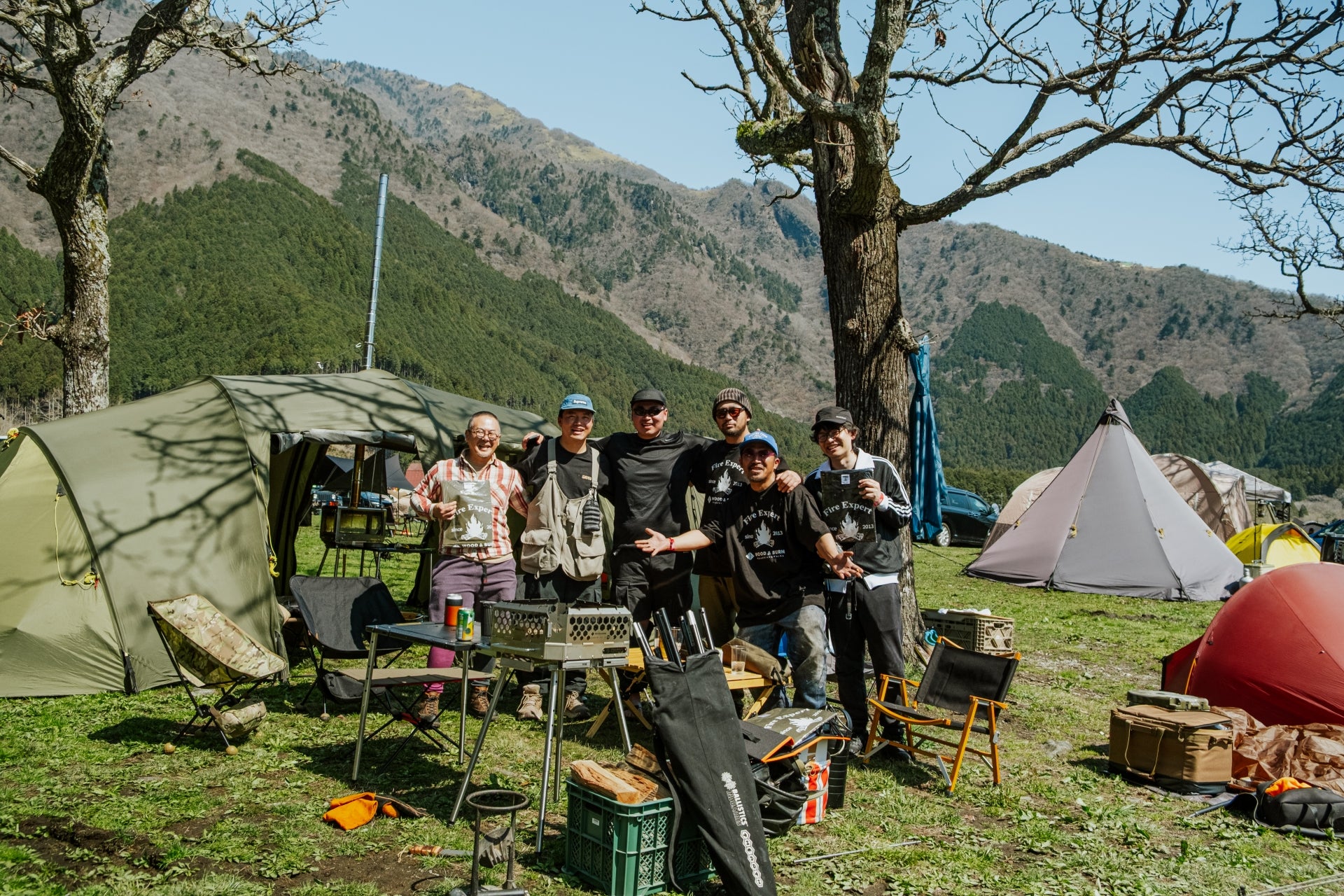
Nothing clears a circle around the fire faster than a sudden column of smoke. One minute, dinner is on the grill and stories are getting started. The next, everyone is shifting chairs, rubbing their eyes, and trying to outrun the wind. Knowing how to control campfire smoke turns that familiar frustration into a fire that feels easier to gather around.
A nearly smokeless campfire is not about finding a magic log or buying more gear. It comes from a few well-managed variables: dry fuel, enough airflow, a thoughtful fire structure, and a site that works with the wind instead of against it. Get those right, and the fire burns brighter, cooks more cleanly, and becomes the warm center of a place you'll always remember.
Why Campfires Smoke in the First Place
Smoke is unburned fuel leaving the fire before heat and oxygen can fully consume it. Wood releases moisture and combustible gases as it heats. When the fire is too cool, the wood is damp, or airflow is restricted, those gases do not burn completely. They rise as the gray, eye-stinging smoke every camper knows.
That is why adding more wood is often the wrong response. A crowded fire can choke itself, especially when large logs are laid flat over a weak bed of coals. The goal is not simply a bigger fire. It is a hotter, better-ventilated fire with fuel sized to match its stage.
Wind plays a role, too. Even a clean-burning fire will send some smoke downwind. You cannot eliminate that entirely outdoors, but you can reduce the amount of smoke produced and position the gathering area so it is less likely to follow your guests from chair to chair.
How to Control Campfire Smoke Before You Light It
The best smoke control starts with the woodpile. Use seasoned hardwood whenever possible. It should feel light for its size, have cracks at the ends, and make a sharp, hollow sound when two pieces are knocked together. Wood that hisses, bubbles at the cut end, or feels noticeably heavy is carrying too much water. It may eventually burn, but it will spend much of the evening steaming and smoking first.
Keep your fuel covered but ventilated. A tarp laid directly over a stack can trap moisture, so leave the sides open or use a raised wood rack. At camp, keep the next few logs near the fire's warmth, not so close that they become a hazard, but close enough to shed surface dampness.
Avoid burning wet branches, green wood, leaves, cardboard, painted lumber, plywood, or construction scraps. Beyond creating thick smoke, manufactured wood can release unpleasant or harmful fumes. Driftwood is another poor choice for a cooking fire, particularly in coastal areas where salt content can create irritating smoke.
Choose the fire location with the same care. Use an established fire ring or a fire feature designed for wood burning, and follow all local rules, burn bans, and campground restrictions. Set chairs and the cooking area slightly upwind or crosswind when possible. A low spot, dense wall of brush, or enclosed patio can hold smoke close to the group rather than letting it disperse.
Build for Airflow, Not Just Height
A fire needs oxygen at its base as much as it needs fuel on top. Start with dry tinder and kindling, then arrange small split pieces so air can move through them. A loose log-cabin or teepee-style build works well because the flame can establish itself quickly without being smothered.
For a relaxed evening fire, a top-down build can be especially useful. Place larger split logs on the bottom, medium pieces across them, then kindling and tinder at the top. Light the upper layer. As it burns downward, it gradually ignites the fuel below while keeping the hottest flame above the developing coals. This can produce less early smoke than lighting a compact pile from the bottom.
The right structure depends on conditions. A teepee lights fast and is helpful when you need to get a cooking flame going. A log-cabin stack is steadier in variable wind. In a well-designed elevated fire pit or stove, follow the intended loading pattern so its air channels can do their job. Systems that bring oxygen beneath the fuel and along the fire's upper edge can encourage more complete combustion, but even the best engineering works poorly with wet wood or an overloaded burn chamber.
Once the fire is established, resist the urge to pack every gap with wood. Leave space between logs. Add one or two pieces at a time and let the flame recover before feeding it again. This is the difference between tending a fire and burying it.
Give a Smoky Fire a Practical Reset
When smoke starts pouring out, pause before adding another log. Look at the fire itself. Are there active flames, or mostly blackened wood and a weak glow? Is a large piece blocking the center? Did a gust shift the smoke toward the seating area, or is the fuel actually smoldering?
If the fire is struggling, use a poker to create small air channels through the wood and expose the glowing coals. Move partially burned logs so their charred sides face inward, where heat is strongest. Then add a few pieces of dry kindling or a small split log instead of one oversized round. The extra surface area catches quickly and raises the fire's temperature without smothering it.
Do not aggressively stir a fire that is already burning well. Excess poking can collapse its structure, scatter ash, and send a fresh burst of smoke into the air. Make deliberate adjustments, then give the fire a minute or two to respond.
If rain, humidity, or poor fuel is the real problem, there is a limit to what technique can solve. Switching to drier wood is more effective than endlessly rearranging damp logs. For cooking, that may mean waiting for a stable coal bed, using charcoal in a grill designed for it, or changing the meal plan rather than forcing a smoky flame to do precision work.
Use the Right Fire for the Moment
A campfire built for atmosphere is not always the ideal fire for cooking. Tall flames are beautiful, but a meal cooks more predictably over a concentrated bed of glowing coals. Let the initial flame phase do its work, then spread the coals evenly beneath a grill grate or cooking surface. You will get steadier heat, fewer flare-ups, and less smoke drifting across the food.
This is where adaptable fire equipment earns its place at camp. A raised cooking surface, adjustable grill height, or dedicated coal area helps separate the fire's social side from its cooking side. You can keep warmth and flame alive for the group while creating a more controlled zone for vegetables, cast iron, or a late-night skillet.
With a modular setup such as a WOOD&BURN Landmark fire pit, the principle remains the same: do not ask one crowded pile of wood to handle every task. Give the fire room to breathe, and give cooking its own deliberate position above the heat.
Manage Wind Without Fighting It
Wind is useful because it supplies oxygen, but it can also push flames sideways and turn a modest amount of smoke into a campsite-wide problem. Before lighting, notice the prevailing direction. Place seating where guests are likely to be upwind or to one side of the fire, with enough distance for comfort and safety.
A solid windbreak can be helpful if it is placed well away from the fire and does not create an enclosed pocket. Never build a fire directly beside a tent wall, under a low canopy, or in a tightly enclosed structure. The aim is gentle protection from gusts, not a sealed room around open flame.
When the wind changes, move the chairs before rebuilding the fire. It is the simplest solution, and it keeps everyone focused on the evening rather than the smoke.
Keep the Burn Clean Through the Last Log
A clean fire changes character as the night goes on. Early on, it needs small, dry fuel and lively airflow. In its middle hours, it needs measured additions of split wood. Near the end, stop adding large logs if the group is winding down. Let the existing fuel burn down to coals rather than creating a fresh smoky cycle just before bed.
When it is time to put the fire out, use water slowly and thoroughly. Stir the ashes with a poker, add more water, and repeat until the material is cool to the touch. Do not bury hot coals, and do not leave a fire unattended because it looks nearly finished.
The most comfortable campfires are rarely the biggest ones. They are built with dry fuel, shaped for airflow, and tended with a little patience. Make those small decisions well, and the fire stays where it belongs: in the center of the gathering, not in everyone's eyes.