

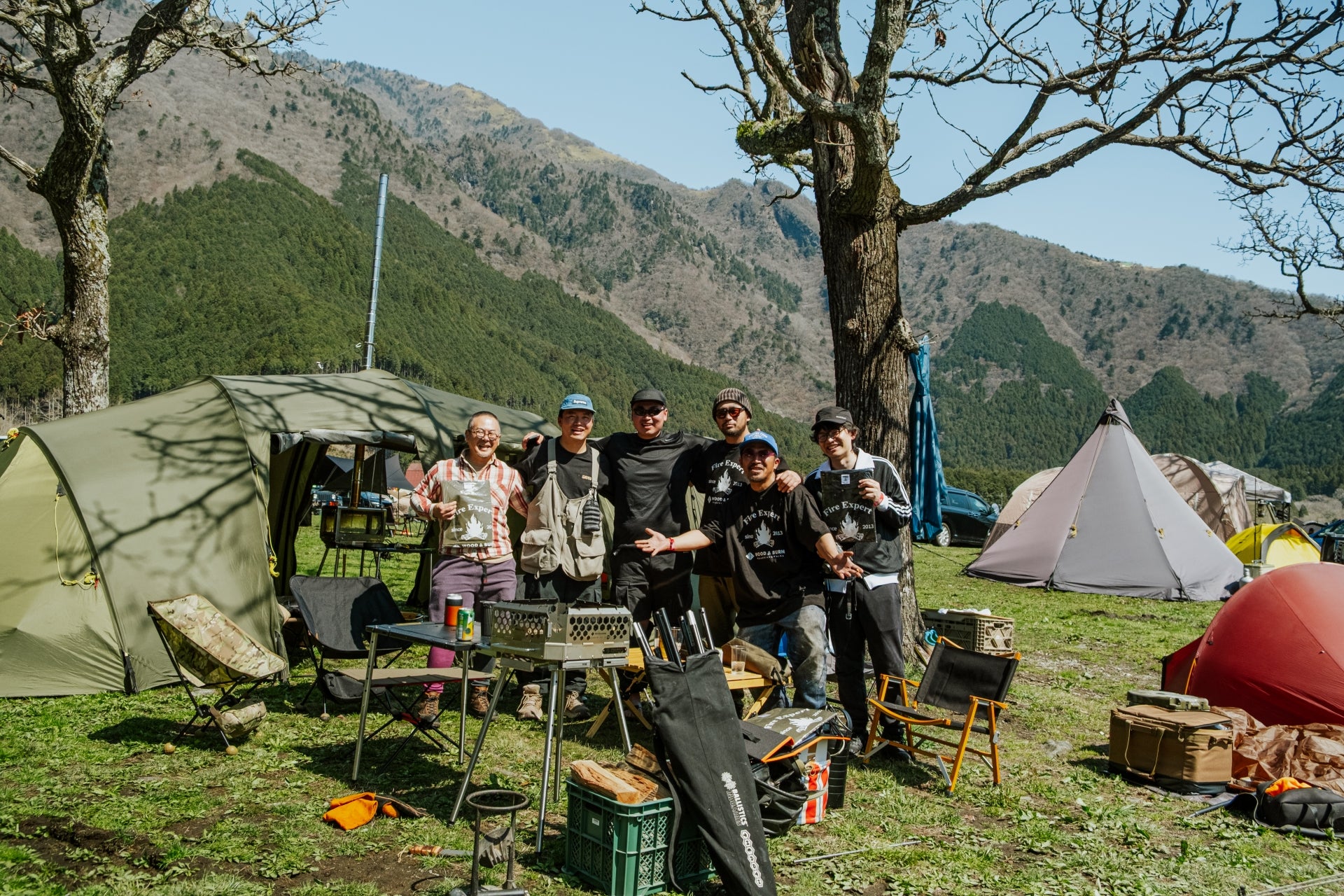
A campfire cooking grill grate can turn a pile of coals into the most useful surface at camp. It gives cast iron a stable home, keeps food out of the ash, and makes it possible to cook for a group without balancing a pan on two questionable rocks. But a grate is only as good as its fit with your fire, your cookware, and the way you like to gather.
The right one should feel less like an extra piece of gear and more like part of the fire itself: easy to set up, steady under weight, and adaptable enough for coffee at sunrise and dinner after the trail goes quiet.
Start With How You Actually Cook
The first question is not whether a grate looks substantial. It is what you expect it to hold. A small, flat grill surface may be exactly right for skewers, burgers, vegetables, and a compact skillet. If your camp meals involve a Dutch oven, a large cast-iron pan, or several pots at once, capacity and support become far more important.
Think beyond the menu, too. Campfire cooking is rarely one fixed temperature. You may want to sear sausages over a hot coal bed, then move a pot of beans farther from the heat to simmer. A fixed grate can do excellent work when the fire is well managed. An adjustable system gives you more control when the menu is varied or the fire is still finding its rhythm.
For solo overnights and light travel, a compact grate can be the sensible choice. For car camping, overlanding, and backyard hosting, a larger cooking surface often earns its space quickly. Cooking for six on a surface sized for two creates more waiting than gathering.
What Makes a Campfire Cooking Grill Grate Dependable
A dependable campfire cooking grill grate has to handle more than heat. It needs to sit securely on uneven ground, support real weight, and remain usable after soot, rain, and repeated packing. Material, geometry, and leg design all shape the experience.
Choose material for the kind of use it will see
Stainless steel is a strong choice for frequent travel. It resists corrosion, cleans up relatively easily, and is well suited to gear that may live through wet mornings, dusty roads, and long stretches in storage. Its lighter weight can also matter when every item has to earn room in the vehicle.
Carbon steel and cast iron bring their own strengths. They retain heat well and can develop a seasoned cooking surface, but they require more care. Left wet or stored dirty, they can rust. For cooks who enjoy maintaining cookware and want that familiar live-fire character, the trade-off can be worthwhile. For a low-maintenance camp setup, stainless is usually the calmer choice.
The grate bars matter as much as the frame. Thick, well-spaced bars support pans without making cleanup impossible. Very wide gaps may be fine for a skillet but less friendly to smaller vegetables or delicate foods. Narrow spacing is more versatile, though it can collect more residue after a rich meal over wood.
Look for stability before surface area
A broad cooking surface is not useful if it shifts when you stir a pot. Stable legs, a rigid frame, and a design that keeps weight centered are the features that make a grate feel trustworthy. At a developed campground, the fire ring may provide a natural ledge for support. In a more open campsite, freestanding legs need to do the work.
Pay attention to the relationship between leg length and grill height. Low grates are excellent for hot coal cooking, but they can put your hands closer to the fire and make heat changes harder. Taller grates make tending easier, yet they may sit too far above a modest coal bed. The most useful designs either offer height adjustment or work with a fire system designed to bring cooking closer to the ideal zone.
A simple test is to imagine lifting a full Dutch oven lid, turning food with tongs, and shifting a heavy skillet while the grate is hot. If the setup seems likely to wobble, it will not become more reassuring once dinner is on it.
Favor control over constant fire tending
Good fire cooking begins with coals, not dramatic flames. Flames are beautiful, but they create uneven heat and can leave the outside of food scorched while the center remains underdone. Build a fire early, let hardwood burn down, and move the glowing coals into a concentrated bed beneath the grate.
Adjustable height is valuable because it changes the cooking process without forcing you to rebuild the fire. Raise the grate for slower cooking and lower it for a stronger sear. If your grate is fixed, control heat by moving coals rather than chasing flame. A small bed directly beneath a pan can be more useful than a large, wild fire around it.
This is where modular equipment earns its place. A system such as WOOD&BURN's Landmark fire pit, paired with dedicated cooking accessories, can give a camp kitchen a more intentional structure: a steady fire below, a purposeful cooking zone above, and room for people to stay close without crowding the cook.
Match the Grate to Your Fire Setup
Not every grate belongs on every fire. Before choosing one, consider where it will sit most often. A traditional park fire ring, a contained portable fire pit, and an open ground fire all call for slightly different priorities.
For an established fire ring, a flat grate with enough span to rest safely on the rim can be practical. Still, check the ring before committing. Some are narrow, uneven, or too shallow for comfortable cooking. A freestanding grate removes that dependency and gives you a consistent setup across campsites.
For a portable fire pit, choose a grate or accessory designed for that fire pit's dimensions and heat pattern. A random oversized grill can block airflow, interfere with safe operation, or sit at an awkward height. Integrated systems generally offer the cleanest fit, especially when you want to alternate between fire tending, grilling, and shared conversation.
Open-fire cooking demands extra attention to ground conditions. Set legs on firm, level soil, clear loose debris from the area, and avoid roots or soft ground that can shift under heat. Keep the fire contained and follow local regulations, including burn bans and campsite-specific rules.
Size the Surface for Food and Cookware
A grate does not need to be huge to be useful. It needs to be usable. Measure the cookware you bring most often, then allow room to move it without placing handles over the hottest center of the fire.
For direct grilling, you want enough surface area to create zones. Put food needing a hard sear over the strongest coals and leave a cooler edge for slower finishing. For skillet meals, a stable center area is more valuable than an oversized perimeter. If you regularly cook with a Dutch oven, confirm the stated weight capacity rather than assuming that thick-looking bars will carry it safely.
Portability also has a cost. Large, heavy grates tend to feel more secure and hold up well under cast iron, but they take up meaningful room. Folding legs and compact storage are useful, provided the hinges and locking points are solid. The goal is not the lightest possible grate. It is the one you will be happy to bring, set up, and use repeatedly.
Build a Better Cooking Fire
The grate cannot correct a poorly prepared fire. Give yourself time. Start the fire before you are hungry, use dry seasoned wood where permitted, and let the first strong flames create a bed of coals. This is the patient part of camp cooking, and it is often what separates a memorable meal from a rushed one.
Keep a heat-safe tool nearby for moving coals, along with long tongs and fire-resistant gloves. Place cookware deliberately, keep handles turned away from foot traffic, and avoid overloading the surface. Grease can flare when it hits coals, so use a drip-conscious approach with fatty foods and have a cooler zone ready for quick moves.
Cleaning is easier when the grate is still warm, not blazing hot. Brush away stuck food, let the metal cool fully, then wipe it dry before packing. Stainless steel needs little beyond that. Seasoned steel or cast iron benefits from a light protective coat of oil after cleaning.
A well-chosen grate gives the fire a purpose beyond warmth. It makes room for the skillet, the shared meal, and the kind of unhurried evening people carry home with them. Set the coals with care, cook at the pace of the fire, and let the space around the grate become a place you'll always remember.