

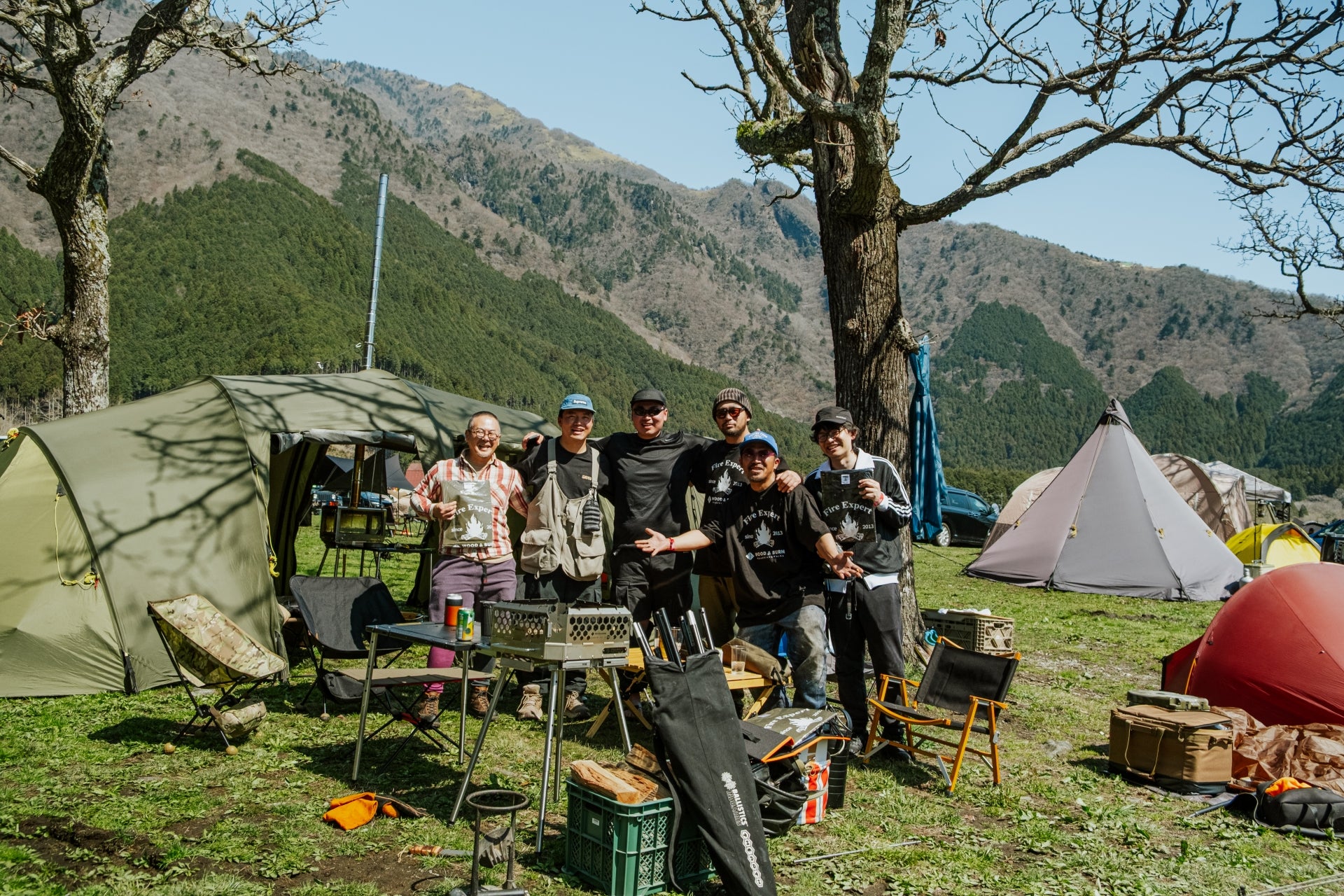
A good fire can make coffee at sunrise, hold a Dutch oven steady through dinner, and keep the conversation going long after the plates are cleared. But the best fire pit for cooking is not simply the one with the biggest flame. It is the one that gives you control over that flame, enough room to work, and a setup that suits the way you actually gather.
For some people, that means a permanent backyard fire feature built for weekends with friends. For others, it means a compact system that earns its place in the truck beside the tent, cooler, and camp chairs. The right choice starts with a clear question: are you cooking over the fire, beside it, or using it as the center of a complete outdoor kitchen?
What Makes a Fire Pit Good for Cooking?
A standard fire pit can roast a marshmallow. A cooking-ready fire pit has to do more. It should create a stable, usable bed of coals; support cookware securely; and let you move food away from intense heat without rebuilding the fire every time a steak needs a minute longer.
The difference is usually found in the details. A wide fire bowl creates space for coals and multiple cooking zones. A sturdy grate keeps food above the hottest part of the fire. Adjustable-height hardware lets you respond to changing conditions as wood burns down and radiant heat builds. These are not decorative extras. They are the features that turn live fire from unpredictable heat into a tool.
Look for a design that separates the fire area from the cooking surface in a practical way. If a grate sits too close to the flame with no means of adjustment, you will spend more time fighting flare-ups than cooking. If the surface is too small, a simple meal becomes a balancing act. And if the pit cannot safely accept a skillet, kettle, or Dutch oven, its menu will stay limited.
Heat Control Matters More Than Maximum Heat
Cooking over wood is less about making a larger fire and more about managing stages of heat. Bright, active flames are useful for boiling water or quickly charring vegetables. A glowing coal bed is better for steady grilling, cast-iron cooking, and slower meals. The best setups let you build the fire on one side and cook on the other, then rake coals where you need them.
An adjustable grill grate is one of the most useful features for this reason. Raising it gives delicate food a little distance from the fire. Lowering it helps build a crust on burgers, chops, or corn. A swing-away or removable grate also makes it easier to tend the wood without moving a pan full of food.
Airflow plays a role, too. Well-considered ventilation helps wood burn more efficiently and reduces the tendency for a fire to smolder. It will not eliminate smoke entirely - nor should a wood fire feel sterile - but a cleaner burn makes the cooking experience more comfortable for everyone gathered around it.
Choose the Best Fire Pit for Cooking by Style
There is no single best fire pit for cooking for every yard, campsite, or menu. The strongest choice depends on how often you cook, how many people you feed, and whether portability is part of the plan.
Open Fire Pit Systems
An open fire pit with dedicated cooking accessories is the most versatile format for people who want the full ritual of live-fire cooking. It can support grilling, hanging cookware, griddles, and Dutch ovens while still serving as a warm, inviting fire after dinner.
This approach is especially useful when meals are social. One person can tend coals while another prepares ingredients, and everyone else can stay close to the warmth. A modular system such as the WOOD&BURN Landmark is designed around that flexibility, allowing the fire pit to adapt as the meal, group, and setting change.
The trade-off is that open-fire cooking asks for more participation. You need to learn your wood, watch your coal bed, and accept that dinner may take a little longer. For many hosts and campers, that is the point.
Fire Pits With Fixed Grates
A fixed grate is simple, familiar, and often enough for direct grilling. It works well for sausages, vegetables, skewers, and other foods that benefit from a straightforward grate-over-coals approach.
Before choosing one, check the grate height and construction. A low, non-adjustable grate can run hot fast, especially with hardwood logs beneath it. Heavy-gauge steel or stainless steel is preferable to thin wire, which can warp under repeated heat and make cookware feel unstable.
Fixed-grate pits are a sensible choice for occasional cooks who want fewer parts. They are less adaptable than a modular setup, but simplicity has value when the goal is an easy meal at the campsite.
Fire Pit and Grill Hybrids
A hybrid combines the visual appeal of a fire pit with features more commonly found on a charcoal grill. These can be useful in a small backyard where one piece of equipment needs to do several jobs. You may get a lid, a cooking grate, ash collection, or a more contained fire chamber.
The compromise is often atmosphere and capacity. A grill-first design may not provide the broad, open fire experience people expect from a gathering pit. It may also limit larger cookware or make it harder to build separate heat zones. Choose this style when everyday grilling is the priority and a fire is a welcome second function.
Portable Campfire Pits
For overlanding and car camping, weight, packed size, and setup time matter as much as cooking surface. A portable fire pit should be stable on varied ground, manageable to clean, and easy to transport without turning every trip into a gear puzzle.
Do not assume portable means fragile. The best portable designs use purposeful materials, positive locking parts, and accessories that pack efficiently. Check whether the cooking hardware is included or sold separately. Also consider local fire rules: many portable pits still require a developed fire ring or approved fire area, and bans may prohibit wood fires altogether.
Build for the Food You Actually Cook
The menu should shape the fire pit, not the other way around. If you mostly cook burgers, chicken thighs, and vegetables, prioritize a broad grate and reliable height adjustment. If you love skillet breakfasts and one-pan camp meals, make sure the pit can hold a cast-iron pan level without crowding the fire.
Dutch oven cooks need a different kind of control. A low trivet, a hanging system, or a flat area for coals can matter more than a conventional grill grate. For pizza, flatbreads, and seared fish, a plancha or griddle accessory creates a much more forgiving surface than open bars.
Think about cleanup before you buy. Fat dripping directly into a wood fire can create sudden flames and heavy smoke. A removable grill surface is easier to scrub, while an accessible ash area makes the next fire simpler to start. These are small details at the end of a meal, but they shape whether you want to cook this way again next weekend.
Materials, Stability, and Everyday Durability
Live fire is demanding. Heat cycles, rain, grease, ash, and outdoor storage all take a toll. Thick steel develops character over time and handles high heat well, though it may form a natural patina when left exposed. Stainless steel resists corrosion and is easier to maintain, but quality varies widely and lighter components can discolor or distort under intense heat.
More than material alone, look at construction. Legs should sit firmly without rocking. Grates should lock or rest securely. Handles should be positioned so you can adjust components without reaching over the hottest part of the fire. If a system includes removable pieces, they should be intuitive enough to use with gloves and dependable enough to trust with a full pan.
A larger pit is not automatically better. It uses more fuel, takes longer to establish a cooking coal bed, and may feel excessive for two people. But a pit that is too small can force food directly over the fire and leave no room for a cooler zone. Match the footprint to your usual group, then consider how it will be stored and transported.
Set Up a Better Cooking Fire
Even excellent equipment cannot turn wet wood into good cooking fuel. Start with dry, seasoned hardwood and give it time to burn down. Oak, hickory, maple, and fruitwoods generally produce steady coals and pleasant flavor. Avoid treated lumber, painted wood, scrap construction material, or soft resinous wood that burns fast and throws excessive sparks.
Build your fire early. The most satisfying fire-cooked meals begin when the flames have settled and the wood has produced a bed of glowing coals. Spread some coals beneath the grate for direct heat, then leave another area with less heat for holding food or finishing thicker cuts. Keep a small pile of wood ready, but add it thoughtfully. A fresh log can change your cooking temperature quickly.
Use long-handled tools, heat-resistant gloves, and cookware designed for high heat. Keep a clear area around the pit, especially when children or pets are present. The goal is not to make the fire feel formal. It is to make everyone comfortable staying close to it.
A well-chosen fire pit changes dinner from something you rush through into a place you will always remember. Start with the meals you want to make, give yourself room to manage the heat, and let the fire do what it does best: bring people in close.