

A fire pit should not dictate the shape of the evening. A well-designed modular fire pit system lets the fire change with the plan: a low, open flame for conversation, a raised cooking surface for dinner, or a compact setup for a night away from home. That flexibility is what separates a piece of outdoor equipment from the center of a place you'll always remember.
Traditional fire rings and fixed backyard pits do one job. They hold a fire. A modular system is built for the fuller ritual around it: tending the flame, preparing food, warming up after a long trail, and making room for one more chair. It gives you a foundation that can grow with the way you gather.
What Makes a Fire Pit System Modular?
Modularity is more than a fire pit with a grill placed on top. It means the core fire unit is designed to work with purpose-built components that add capability without making setup feel complicated. Depending on the system, those components may include adjustable grill grates, cooking tables, pot hangers, wind protection, fire tools, carrying solutions, or height-adjustable supports.
The value is in the relationship between the parts. A cooking surface should sit securely over the fire. A height adjustment should give you control over heat rather than simply a different view of the flames. Storage and transport pieces should protect the system and make it realistic to bring along, not turn every departure into a loading project.
This approach matters because live fire is variable. Wood size, weather, cooking style, and the number of people around the flame all change from one use to the next. A fixed pit asks you to adapt around it. A modular system adapts with you.
Start With the Fire Experience You Want
Before choosing accessories, consider how fire fits into your outdoor life. The right configuration for an overlanding camp kitchen may not be the right one for a compact patio, and neither needs to be the right answer for everyone.
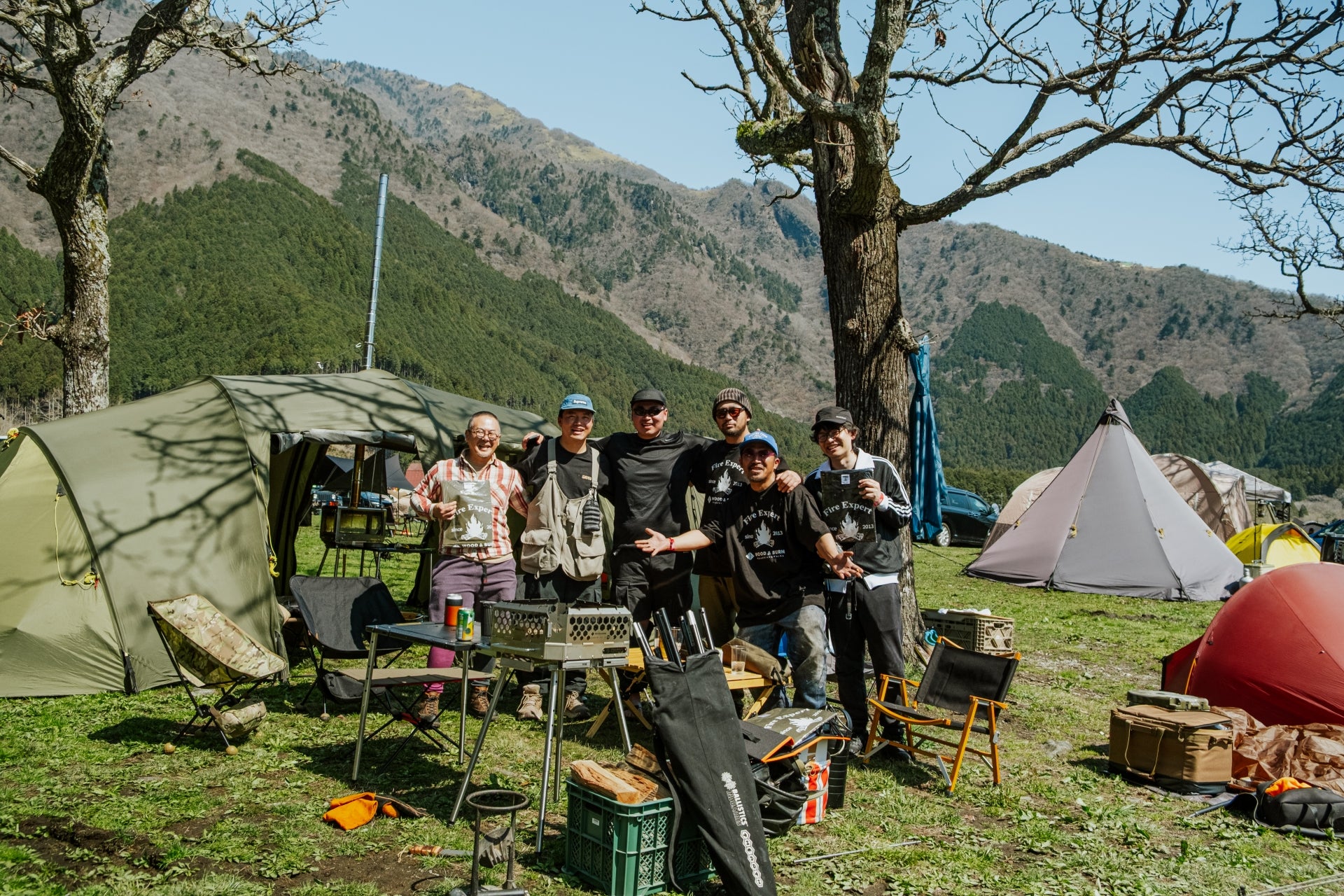
For the campsite
At camp, portability and efficient setup lead the decision. You want a fire pit that travels in a manageable form, assembles intuitively, and gives your group a reliable place to cook and gather. A system with dedicated cooking accessories can replace the awkward balancing act of laying a grate across rocks or propping a skillet over uncertain heat.
The best camp setups also acknowledge that the fire changes throughout the evening. Early on, you may need a hot zone for boiling water or searing food. Later, a lower, steadier coal bed is better for slow cooking and conversation. Adjustable grill height gives you more control through both phases without rebuilding the fire.
For the backyard
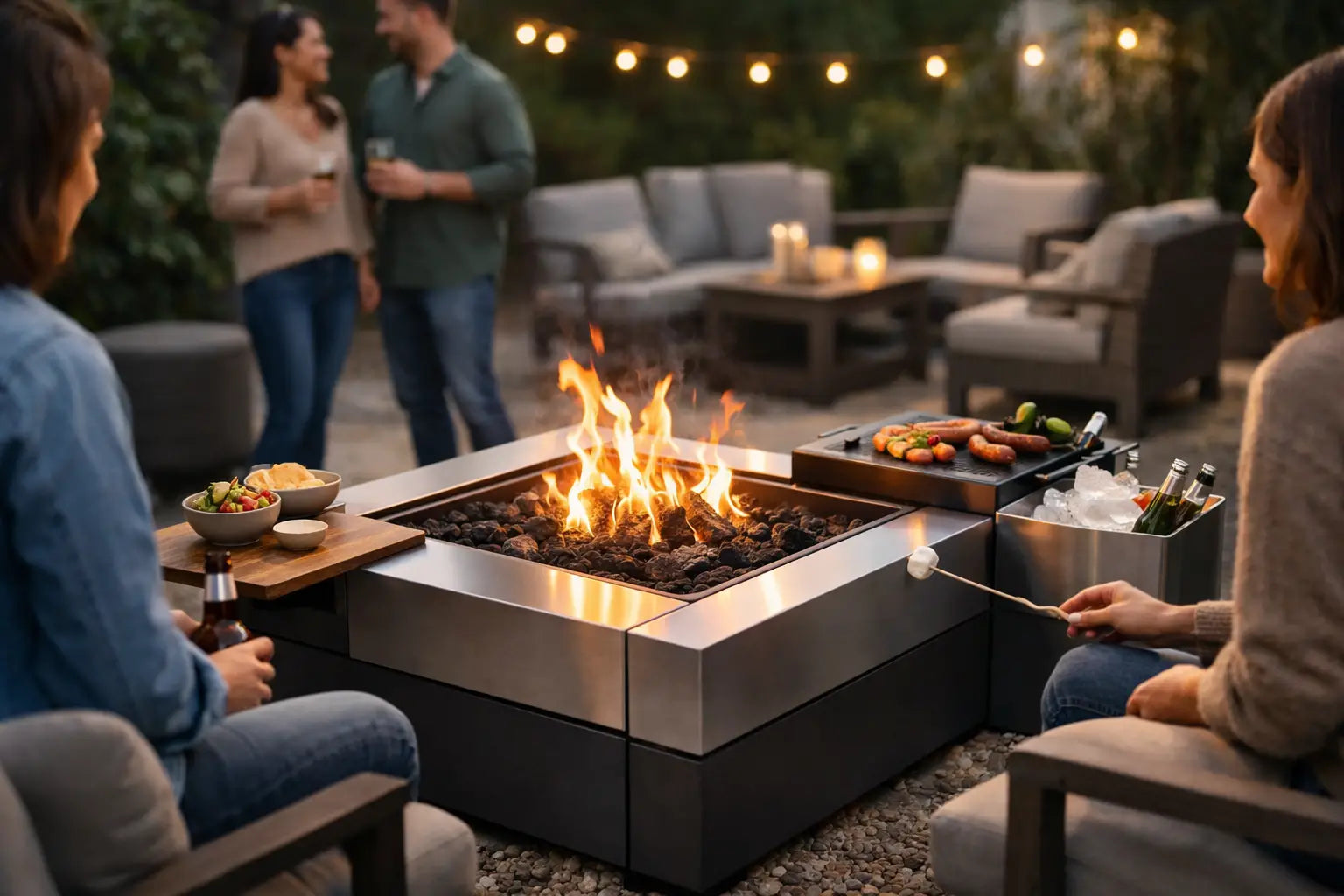
A backyard fire pit needs to earn its space. It should feel considered when it is sitting still and useful when friends arrive hungry. This is where a modular approach can be more satisfying than owning a separate fire pit, grill, and outdoor cooking station that each demand storage and maintenance.
A clean, elevated fire platform can create visual definition in an open yard or patio while keeping the experience approachable. Add a cooking module when dinner calls for it, then return the focus to the flame once plates are cleared. The equipment stays composed, but the evening does not feel over-designed.
For the road and the long weekend
For people who move between campsites, trailheads, cabins, and friends' backyards, versatility has a practical limit: it must remain easy to carry. More components are not automatically better. Choose the pieces you will actually use, and build from there.
A compact core unit, one dependable grill surface, and essential fire tools often make a more capable travel setup than a large collection of accessories. Expansion should feel intentional. Buy for the way you gather now, then add capacity when your routines prove you need it.
Heat Control Is the Difference Between Cooking and Guessing
Open-fire cooking has a reputation for being unpredictable. Some of that is part of its appeal. But good equipment removes the frustrating kind of unpredictability.
An elevated, adjustable grill lets you control the distance between food and fuel. Raise it when flames are active or when a cast-iron pan needs gentler heat. Lower it when you want a more direct sear. That simple adjustment can save dinner from the familiar cycle of charred edges and a cold center.
The fire pit itself also matters. Thoughtful airflow helps wood burn more consistently, supports a cleaner-looking flame, and reduces the tendency for a fire to smolder when it should be producing usable heat. No fire pit eliminates smoke in every condition. Wet wood, wind direction, and a poorly built fire will always have a say. Still, a well-engineered air system gives the fire a better starting point.
Use seasoned hardwood, begin with modest fuel, and let a coal bed develop before putting delicate food over the heat. Fire is not a switch. It rewards a little patience, particularly when cooking for people who are already hungry.
Build a System Around Real Meals
The promise of open-fire cooking can become a burden if every meal requires advanced technique. A modular fire pit system works best when it makes simple food feel more rewarding, not when it turns dinner into a performance.
A grill grate handles the essentials: vegetables, sausages, fish, burgers, and flatbreads. A stable surface also makes room for cast iron, which opens the door to everything from breakfast potatoes to a one-pan chicken dinner. For a slower evening, a suspended pot or elevated grate can create the distance needed for beans, chili, or a long simmer.
Plan for zones rather than a single ideal temperature. Keep an active side for searing and a cooler area for finishing or holding food. If your system has an adjustable height mechanism, use it as a heat-control tool instead of moving every piece of food constantly. The goal is not restaurant precision. It is confident, generous cooking that keeps the person at the fire part of the gathering.
The Case for Elevated Design
An elevated fire pit changes more than the silhouette of a campsite or patio. It can put the fire at a more comfortable working height, make cooking easier to manage, and create a clearer boundary between the flame and the ground around it. For many hosts, it also looks more at home alongside considered outdoor furniture than a basic steel ring ever could.
There are trade-offs. A larger elevated system may be less suitable for ultralight travel, and added accessories require a little more cleaning and packing discipline. It is also worth checking local fire rules, campground restrictions, and the requirements of the surface beneath your pit before lighting anything.
But design that serves function is not excess. It is the difference between gear that stays in storage and gear that becomes part of your routine. A fire pit should invite use in the same way a good kitchen does: clear enough for a first-timer, capable enough for someone who wants to stay outside and cook all night.
A Modular Fire Pit System Should Age With You
The most compelling part of a modular system is not that it can do everything on day one. It is that it can remain useful as your habits change. The first season might be about weekend campfires and a grill grate. Later, you may want a more complete cooking station for larger groups, a dedicated setup for a cabin, or a compact arrangement that fits your vehicle more efficiently.
That long view also makes premium equipment easier to evaluate. Look beyond the initial purchase and ask whether the materials, accessory connections, replacement parts, and carrying approach support years of use. A system with a clear design language and purposeful components usually creates less clutter than buying a new standalone solution for every new kind of outing.
WOOD&BURN approaches this idea through fire equipment designed to move between warmth, cooking, and shared time outdoors. The point is not to collect gear. It is to create an outdoor setup that feels ready when the right people arrive.
A great fire does not need much ceremony. Dry wood, good food, a place to sit, and enough time for the conversation to loosen. Choose a system that makes those elements easier to bring together, then let the evening take its own shape.
Share:
Choosing a Portable Wood Stove for Camping
Choosing an Elevated Fire Pit for Camping