

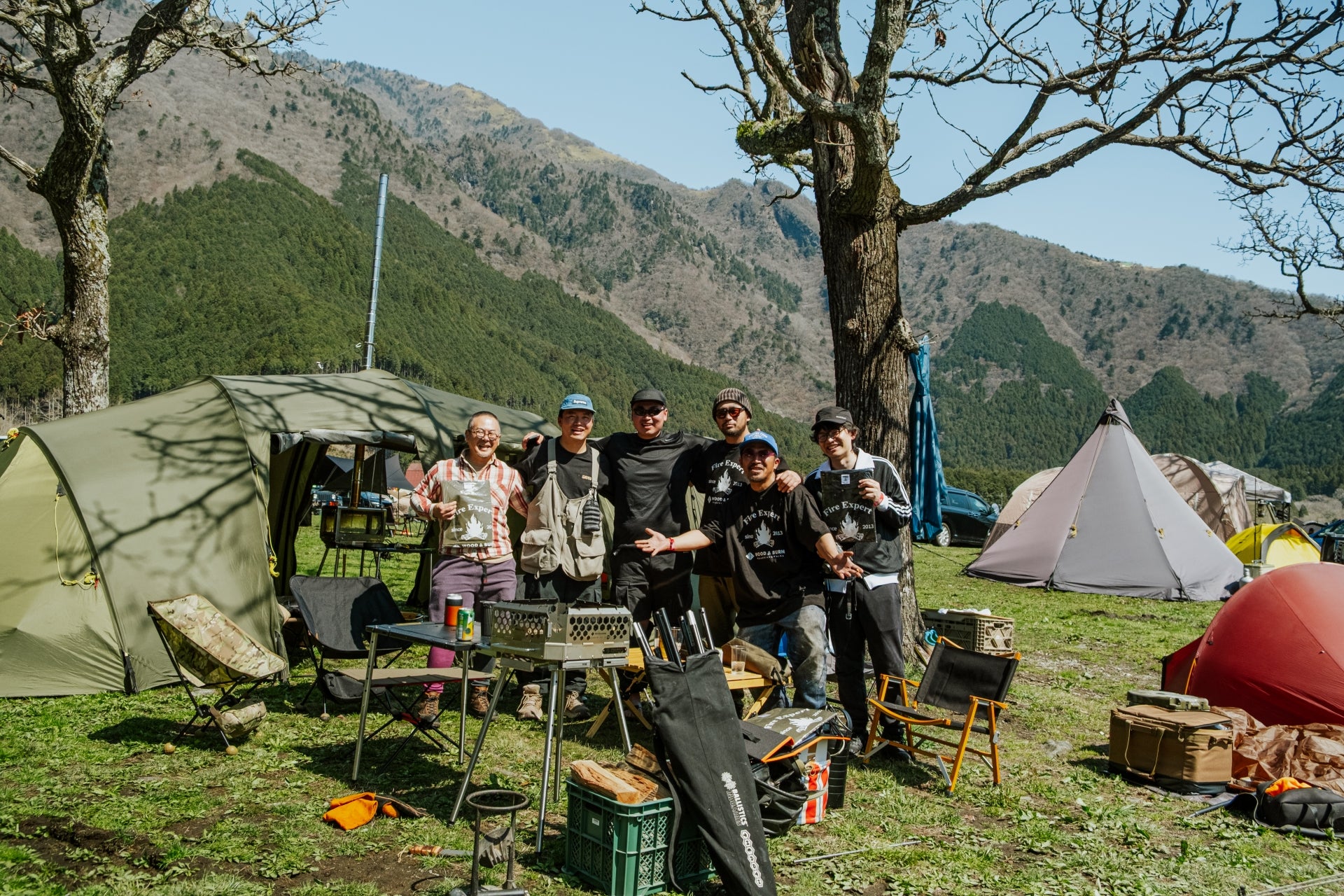
The last parking-space grill burger has been eaten, the game is still an hour away, and the temperature is dropping. That is the moment a portable fire pit for tailgating earns its place in the truck. It is not just a source of heat. It gives your group a natural center - somewhere to stand, talk, cook a late snack, and make the time before kickoff feel like part of the event.
The right model does more than fold into a compact shape. It should travel cleanly, set up without a puzzle, respect stadium rules, and make a crowded tailgate feel more considered than a circle of folding chairs. Choosing well means thinking beyond the flame.
Start With the Tailgate Lot, Not the Fire Pit
A fire pit that works beautifully at a remote campsite may be wrong for a stadium lot. Tailgating has tighter space, more people moving nearby, more pavement underfoot, and venue policies that can change from one event to the next.
Before you buy, check the stadium's current rules for open flames, charcoal, wood, propane, and ash disposal. Some venues allow only propane appliances. Others permit charcoal in designated areas but prohibit wood-burning fires entirely. A premium fire pit is only useful if it is welcome where you plan to use it.
Surface matters, too. Asphalt radiates heat differently than dirt or gravel, and a fire pit without sufficient ground clearance can leave a mark or create a safety concern. Look for a raised fire bowl, stable legs, and a design that keeps heat directed upward rather than concentrated beneath the unit. A dedicated heat shield can be worthwhile when the lot surface is unknown or especially hot.
Tailgating also rewards restraint. Your setup should fit inside your assigned space without forcing neighboring groups to walk around it. A compact footprint, predictable flame zone, and easy access to the vehicle make the whole gathering more comfortable.
What a Portable Fire Pit for Tailgating Should Do
Portability is more than low weight. A thin, awkward fire pit that rattles through the drive, sheds ash in the cargo area, or requires a dozen loose parts is not truly portable. The best designs make transport, setup, use, and pack-down feel like one continuous process.
Pack flat, carry easily, set up quickly
Look for a system that folds or breaks down into a contained form with a sensible carry case. Cases are not a cosmetic extra. They protect the finish, keep soot away from blankets and coolers, and prevent small components from disappearing between the garage and the parking lot.
Quick setup matters because tailgating has a clock. You may be arriving in traffic, unloading food, meeting friends, and watching the weather all at once. A well-engineered fire pit should be stable and ready without tools, guesswork, or a lengthy assembly video. The fewer decisions required on site, the more attention you can give to the people around it.
Weight remains a trade-off. Ultralight designs are simple to lift but can feel less planted in a windy lot. Heavier steel systems often offer better stability and heat retention, though they demand more room in the vehicle. For most tailgaters, a balanced build is the better choice: substantial enough to stay put, compact enough for one person to manage.
Burn cleanly around people and food
Smoke has a way of finding the one person wearing a favorite jacket. In a packed tailgate environment, cleaner combustion is not merely a luxury. It helps keep conversations, food, and nearby setups more enjoyable.
An efficient airflow design can improve how a wood fire burns by feeding oxygen where it is needed and encouraging a more complete flame. This does not make any wood fire smoke-free, especially during lighting or when damp wood is used. But it can reduce the heavy, lingering smoke that makes people step away from the warmth.
If your venue allows wood, bring dry, seasoned hardwood in manageable lengths. Avoid scavenged wood, construction scraps, or pressure-treated lumber. They burn unpredictably, can release unpleasant fumes, and have no place near food. Keep the fire modest. A tailgate fire should create a warm circle, not compete with the stadium lights.
Make room for food, not just flame
A fire pit becomes more valuable when it can support cooking. The question is how you actually tailgate. If your group wants burgers, skewers, or cast-iron chili, a dedicated grill surface and a stable cooking height matter more than a dramatic flame. If cooking is secondary, a simple fire pit with a separate charcoal grill may keep the workflow cleaner.
Modular systems are especially useful here. A raised grill grate, adjustable cooking surface, or accessory made for pots gives you options without turning the vehicle into a rolling kitchen store. You can bring the full cooking setup for an early-season rivalry game, then pack only the fire pit for a cold late-season kickoff.
WOOD&BURN's approach to modular fire equipment is built around that kind of flexibility: a fire can remain the heart of the gathering while dedicated components create a more capable outdoor cooking station when the occasion calls for it.
Choose the Fuel That Fits the Rules and Ritual
Wood, charcoal, and propane each create a different tailgate experience. There is no universal winner.
Wood delivers the familiar crackle, visible flame, and slow social rhythm that make a fire feel special. It is best for venues that permit it, groups with time to tend it, and tailgaters who value atmosphere as much as speed. The downside is ash, smoke, fuel storage, and a longer cool-down period.
Charcoal makes sense when the meal is the main event. It produces dependable cooking heat, works naturally with a grill-first setup, and can feel more controlled than an open wood fire. It still requires safe ash handling and enough time to extinguish completely before you leave.
Propane is often the practical answer for strict venues and quick pack-outs. It lights quickly, turns off cleanly, and eliminates ash. But it offers a different kind of gathering - more immediate, less elemental. If the goal is a quick source of warmth before walking into the stadium, that trade-off may be exactly right.
Whichever fuel you choose, bring the right safety equipment: a compact fire extinguisher, heat-resistant gloves, and a metal container or approved method for ash if your venue requires it. Do not assume a fire is out because the visible flames are gone. Coals can remain hot long after the final drink is packed away.
Build a Better Gathering Zone
The fire pit should sit at the center of a small, intentional zone rather than at the edge of chaos. Place it away from the vehicle, coolers, canopy walls, and high-traffic paths. Give guests room to stand around it without backing into grills, folding tables, or another group's space.
Wind changes everything. Position the pit so smoke is less likely to drift toward your food table or neighbors, and avoid using it beneath a canopy unless both the fire pit instructions and venue policy explicitly allow it. Open air is part of the point.
A few details elevate the experience without overloading the setup. Keep a small wood supply or fuel canister within reach but outside the immediate heat zone. Use one durable table for cooking tools and serving. Bring low-profile camp chairs for the people who want to settle in, while leaving standing room for the larger circle. Good tailgates have movement, not clutter.
Pack Down Like a Good Neighbor
The final whistle is not the time to rush a hot fire pit into the back of the truck. Stop adding fuel early enough to let the fire burn down. Follow the manufacturer's extinguishing guidance, confirm ashes are fully cool, and never dump them into a plastic bag, trash can, or landscaping bed.
Once the unit is cool, brush away loose ash, secure removable components, and return it to its case. This small ritual protects the equipment and makes the next outing easier. It also leaves the parking space as you found it, which is the standard every tailgater should keep.
A portable fire pit is not about bringing more gear to the game. It is about bringing a better reason to arrive early, stay present, and gather close before the crowd carries everyone inside.