

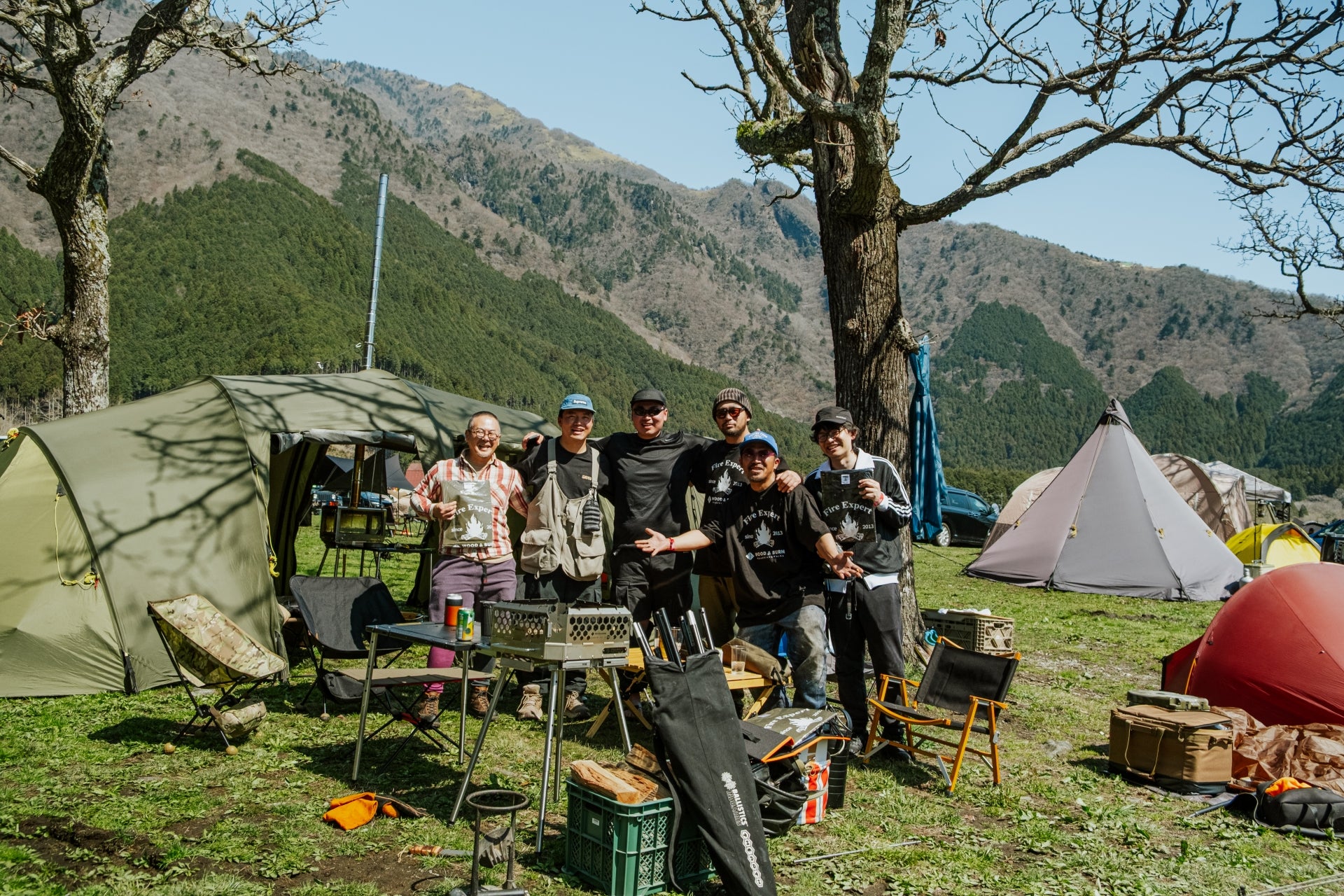
A great night of outdoor entertaining rarely begins with a perfect table setting. It begins with a reason to linger: the steady warmth of a live fire, the sound of food meeting a hot grill, and a space that invites people to settle in rather than check the time. Whether the setting is a backyard, a lakefront site, or a quiet clearing beyond the trailhead, the best gatherings make the outdoors feel like the place everyone meant to be.
That feeling is not accidental. It comes from choosing equipment that works without demanding constant attention, arranging the space around the people in it, and leaving room for the evening to unfold at its own pace. Fire and food do much of the work. Thoughtful design makes them easier to enjoy.
Start Outdoor Entertaining With a Center
Every memorable outdoor space needs a center of gravity. Around a campfire, that is obvious. In a backyard, it can be easy to overthink: a dining table here, a grill pushed into the corner, chairs facing different directions. The result may look organized, but it can feel fragmented.
A fire pit or wood stove gives the gathering a natural focal point. People can warm their hands, watch the flames, tend dinner, or simply sit nearby without needing a formal activity. That is the enduring value of a live fire. It creates a shared place, even when guests arrive from very different versions of the day.
Choose the right format for the way you host. A compact wood stove makes sense for smaller patios, vehicle-based camping, and conditions where contained flame control matters. An open fire pit offers a broader circle and a more communal cooking surface. The right choice depends on your available space, local fire regulations, wind conditions, and whether warmth, cooking, or both will lead the evening.
The goal is not to make fire the only attraction. It is to give the night a pulse. When the flame is easy to manage, the host can spend less time adjusting logs and more time joining the conversation.
Build a Layout That Lets People Move
Outdoor entertaining works best when it has structure without feeling staged. Set seating close enough for conversation, but avoid forming a rigid ring that makes every guest feel on display. A few chairs near the fire, a bench for the group, and one or two movable seats create a more relaxed rhythm.
Keep the cooking area accessible, not isolated. Guests often want to see what is happening at the grill, offer a hand, or ask what is next. A cooking station placed within the gathering becomes part of the evening rather than a place where the host disappears. This is especially true around open-fire cooking, where turning a skillet, adjusting a grate, or adding wood naturally becomes a shared ritual.
Leave a clear path between seating, food, and the house or tent. It sounds simple, but a cramped layout creates small interruptions all night: someone stepping around a cooler, another balancing a plate while searching for a place to sit. Good outdoor equipment earns its place by being compact, stable, and purposeful.
Let light support the fire
Firelight is beautiful, but it should not carry every job. Use low, warm lighting for paths, serving areas, and steps, especially after sunset. The best lighting stays in the background. Guests should be able to see their food and move safely without washing out the flame or turning the yard into an event venue.
Skip harsh overhead light where possible. A small pool of warmth around the fire and softer light at the edges makes an outdoor setting feel considered without becoming precious.
Make Fire Cooking Part of the Evening
The difference between grilling outside and cooking over fire is participation. A grill can make an excellent meal. Live-fire cooking can make the meal part of the memory.
Plan food that tolerates conversation. Thick-cut vegetables, skewers, sausages, cast-iron dishes, flatbreads, and slow-roasting cuts are more forgiving than anything that needs second-by-second attention. They also give guests a reason to gather close. Someone can turn corn, someone can pass seasoning, and someone else can take over while you pour a drink.
For a larger group, avoid a menu that traps you in a sequence of last-minute tasks. Prepare sauces, chopped ingredients, and serving dishes before guests arrive. Then let the fire handle the visible work. A modular system with adjustable cooking height or dedicated grill accessories is particularly useful here because heat control is never one-size-fits-all. A steak may need a hard sear close to the coals, while vegetables benefit from a more measured position above them.
WOOD&BURN designs its fire systems around that adaptability: equipment that can shift from warmth to grilling to open-fire cooking without requiring a completely different setup. For hosts, that flexibility means fewer compromises between feeding people well and actually being present with them.
Choose a menu with a natural pace
A good outdoor menu has stages. Begin with something easy to share while the fire settles, then serve the main course when the coals are consistent. Finish with food that welcomes everyone back to the heat, such as fruit in a cast-iron pan, toasted cake, or a simple chocolate-and-marshmallow finish.
This pace matters more than culinary ambition. Guests remember the moment a meal came together over the flame, not whether every plate arrived at exactly the same minute.
Design for Comfort, Not Perfection
The outdoors asks for a little flexibility. Wind changes direction. A temperature drop catches someone without a layer. Smoke finds the one person who just sat down. Good hosting does not eliminate these realities. It anticipates them with simple, useful provisions.
Keep a small stack of blankets within reach, along with water, napkins, and a spot for guests to set a drink. Offer a few seating heights so people can choose what feels comfortable. If children are part of the gathering, establish a clear boundary around the fire and give them a warm, visible place to sit rather than asking them to stay away from the center of the action.
Fire management deserves the same care. Use seasoned wood, keep a safe clearance around the unit, and follow local restrictions before lighting anything. A well-engineered stove or fire pit can reduce the inconvenience of an unruly traditional fire, but no product replaces attention. Have water or an appropriate extinguishing method nearby, and let the fire burn down responsibly when the evening ends.
There is also a practical trade-off between atmosphere and capacity. A compact setup is easier to transport and often more efficient for two to six people. A larger fire pit can support a wider gathering, but it needs more fuel, more space, and more care in placement. Buy or pack for the gatherings you host most often, not the occasional crowd you imagine.
The Best Outdoor Entertaining Feels Unhurried
The pressure to make every gathering photogenic can pull attention away from what people actually want: a seat, something good to eat, and permission to stay awhile. The most successful hosts create just enough structure for guests to feel cared for, then let conversation do the rest.
That may mean dinner is served on a table one night and passed around the fire the next. It may mean cooking over coals at a campsite instead of chasing a complicated recipe. It may mean the plan changes when the air cools and everyone moves closer together.
This is where thoughtful outdoor gear proves its value. When it sets up intuitively, burns with control, and adapts to the way people naturally gather, it fades into the experience while making that experience possible.
Set the fire, put something honest on the grill, and leave one more chair open than you think you need. The place people remember is often the one that gave them a reason to stay.