

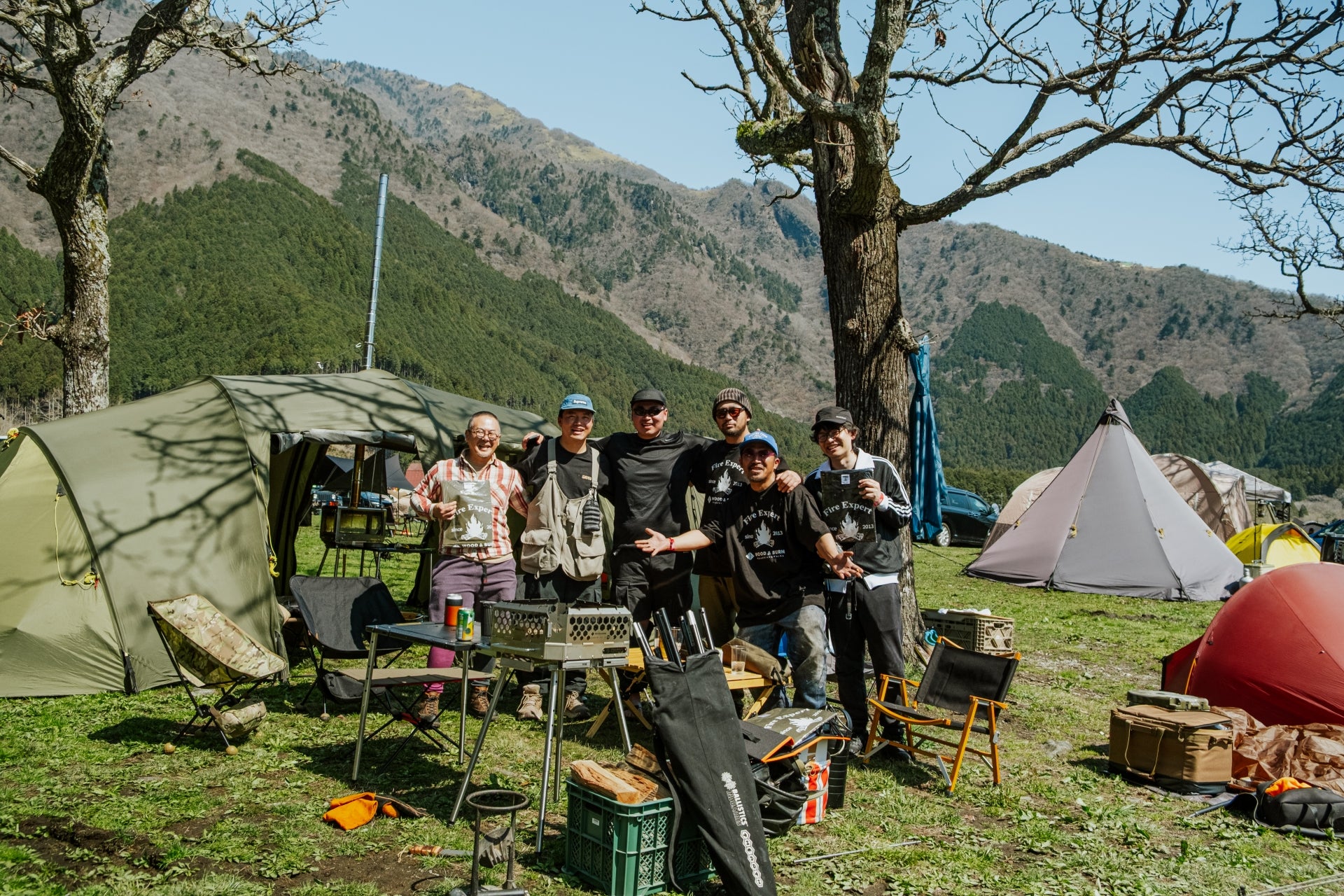
A cold evening can make a fire feel like the natural center of camp - where dinner slows down, stories stretch out, and everyone stays a little longer. But are campsite fires legal where you plan to stay? The answer is rarely a simple yes or no. It depends on the land manager, the exact site, current fire conditions, and the kind of fire setup you bring.
A well-built fire system can make camp more comfortable. It cannot make a prohibited fire legal. Before packing wood, charcoal, or a portable fire pit, take a minute to understand the rules that apply to that specific place and that specific day.
Are Campsite Fires Legal on Public Land?
Public land is not one category with one set of rules. National parks, national forests, Bureau of Land Management areas, state parks, county campgrounds, and private campgrounds can all set their own fire policies. Even within the same forest or park, rules may change from one campground, trailhead, or dispersed camping area to the next.
At a developed campground, a fire may be allowed only inside the provided metal ring or masonry fire pit. In a dispersed camping area, fires might be allowed in an existing ring but prohibited on bare ground. Some places permit only gas stoves during dry periods. Others close all ignition sources, including charcoal grills, when conditions become severe.
The practical rule is simple: the campsite itself does not grant permission. The managing agency does. Check the current alert or fire restriction notice before departure, then confirm the rules again at the entrance station, campground host site, or posted information board. Conditions can change quickly after wind events, heat waves, or a nearby wildfire.
Fire Bans Change What “Allowed” Means
Fire restrictions are often described in stages, and the details matter. A restriction may prohibit campfires outside developed sites while still allowing certain contained gas stoves. A stricter order may prohibit wood, charcoal, pellet, and propane devices alike, except for equipment with an on-off valve used in designated areas. During a full closure, no flame is the right answer.
Do not assume that a raised fire pit, a grill, or a wood stove is automatically exempt because it is portable or engineered to contain embers. Many orders define restrictions by fuel type and flame, not by whether the unit sits above the ground. A contained appliance may be permitted in one jurisdiction and prohibited in another.
This is where thoughtful gear and local compliance meet. Equipment designed for controlled airflow, stable footing, and ash management can reduce mess and help you operate more deliberately when fires are allowed. But fire bans are not a performance test. They are a boundary. Respecting them protects the landscape, the people working to protect it, and the future access every camper depends on.
Start With the Site Rules
When you arrive at a legal fire-friendly campground, the next question is where and how to burn. Most campgrounds expect guests to use existing fire rings. They are positioned with surrounding clearances in mind, and they keep repeated use from expanding into new burned patches across the site.
If portable fire pits are allowed, place yours on a stable, noncombustible surface and well away from tents, vehicles, dry grass, low branches, and gear. A gravel pad or established fire area is generally a better choice than a soft forest floor. Never put a fire unit inside a tent, canopy, enclosed vehicle, or poorly ventilated shelter. Carbon monoxide and heat buildup can turn a comfortable evening into an emergency.
Your reservation confirmation may contain the basics, but do not stop there. Look for signs that address fire rings, wood collection, quiet hours, ash disposal, and grill use. Private campgrounds may have rules that are more restrictive than county regulations, particularly during drought or high-wind periods.
Dispersed Camping Requires More Judgment
Dispersed camping can feel more open, but the responsibility is greater. There may be no host, no water source, no established ring, and no one to correct a poor decision before it becomes damage. Some areas prohibit fires entirely outside developed campgrounds. Others permit them only in existing rings or only during certain seasons.
If a fire is legal, choose a location with plenty of clearance and avoid fragile ground, roots, leaf litter, and brush. Do not build a new ring simply because you found a scenic spot. In heavily used areas, new rings multiply quickly, scar the land, and leave ash and half-burned debris for the next visitor.
The Fuel You Bring Matters
Legal does not always mean anything burns. Many parks and campgrounds prohibit collecting deadwood, including fallen branches. Downed wood is habitat, nutrients, and shelter for insects and wildlife. In other locations, gathering small dead-and-down material may be permitted, but only within stated limits.
Buying firewood near your destination is usually the smarter choice. Moving untreated firewood across county or state lines can spread invasive insects and tree diseases, even when the wood looks clean and dry. Local wood also tends to match the rules and burn characteristics of the area.
Use seasoned, clean wood. Never burn painted lumber, treated boards, pallets, trash, plastic, or food packaging. These materials can release harmful chemicals, throw sparks unpredictably, and leave toxic residue in the fire ring. A refined campsite is not created by a bigger flame. It is created by a controlled one.
Charcoal deserves the same care. If charcoal grilling is permitted, use it only in approved equipment and treat the coals as live long after the food comes off. Ash that looks gray can still contain enough heat to ignite dry material or melt a trash bag.
Build for Control, Not Spectacle
A campsite fire should be sized to the moment. Use only the amount of fuel needed for warmth or cooking, and keep the flame low enough that it stays inside its designated fire area. Tall, unattended flames are not part of the experience. They are a signal to scale back.
Keep water and a shovel nearby when the site allows it. Water is usually the most direct way to extinguish a wood fire, while a shovel helps turn the embers so heat does not remain buried beneath ash. Never leave a fire unattended, even for a quick walk to the restroom or a last photo by the lake.
Wind deserves special attention. A light breeze can become gusts that carry embers farther than expected. If the wind picks up, reduce the fire or put it out. The same goes for unusually dry ground, falling needles, or a site where smoke is blowing directly into neighboring tents. A fire that is technically allowed can still be the wrong call.
For camp cooking, modular equipment can make this easier. A system with a defined fire area and dedicated grill surface helps keep the cooking ritual organized rather than improvised. When fires are permitted, WOOD&BURN equipment is built around that kind of intentional use: warmth, food, and conversation gathered in one considered footprint.
Put It Out Completely
The fire is not finished when the flame disappears. Pour water over the coals, stir the ash, and add more water until everything is cool to the touch. Take your time. Hissing is a sign that heat remains, not that the job is done.
Do not bury a fire with dirt. Buried coals can smolder underground and remain hot long after camp has been packed away. Do not leave glowing coals for the next group, either. A shared fire ring is not a shared responsibility for extinguishment.
If a campground provides ash receptacles, use them only as directed and only once ashes are completely cold. Otherwise, leave the approved fire ring clean of trash and unburned waste. The best evidence of a good campfire is not a towering pile of ash. It is a site ready for the next gathering.
When a Fire Is Not Legal, Keep the Evening
A restriction does not have to end the ritual of camp. Make dinner before dark, bring insulated layers and warm drinks, choose a site with a clear sunset, or gather around lantern light instead. The point was never just combustion. It was the pause it creates - people close together, hands occupied with something warm, nowhere else they need to be.
The best campers know when to light the fire and when to leave the match alone. Check the rules, read the conditions, and build your evening around what the place can safely hold. That is how a campsite becomes a place you will always remember - for the right reasons.