

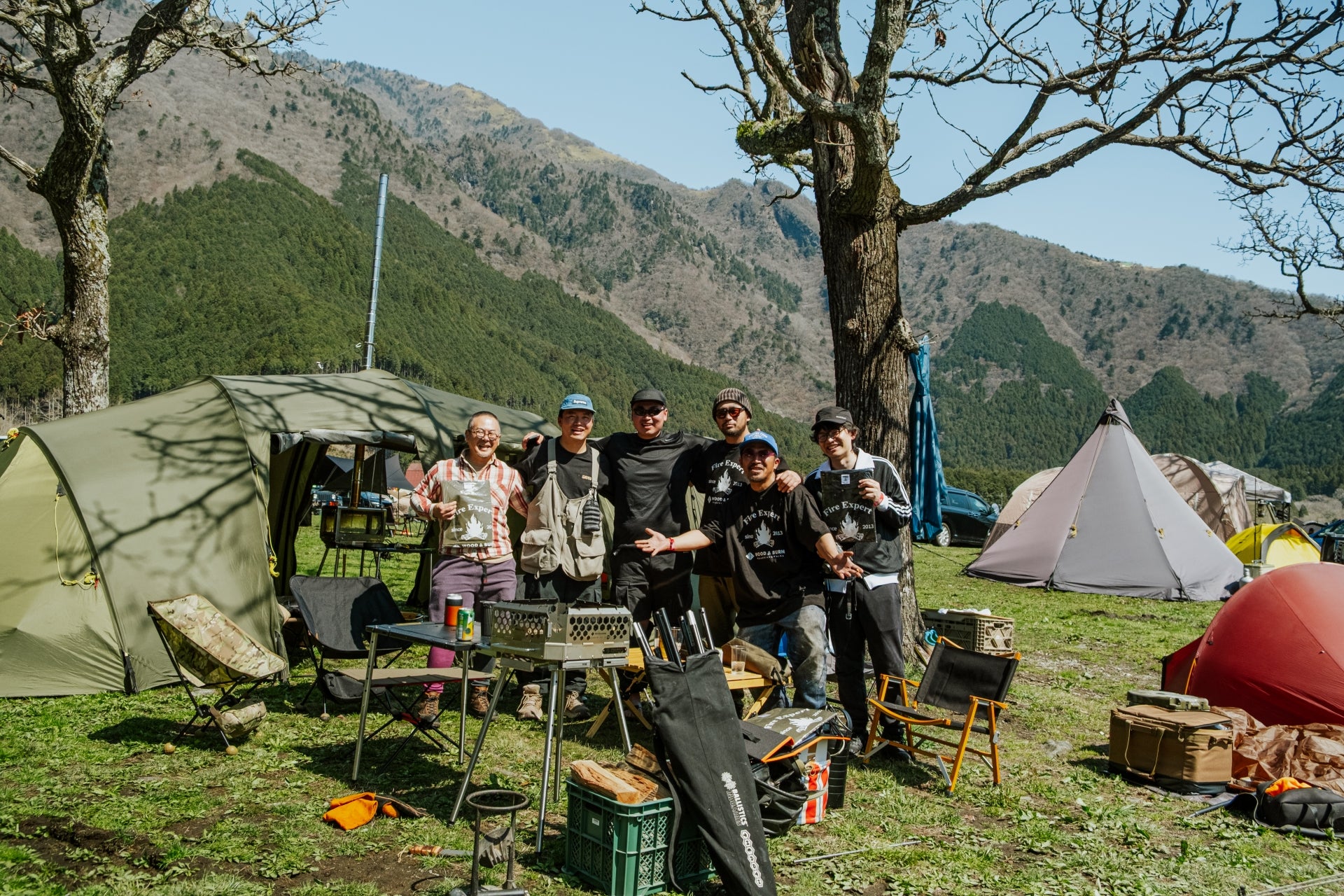
A live fire can turn a simple meal into the part of the weekend everyone remembers. It can also turn dinner into a smoky, unevenly cooked compromise when the grill gives you nowhere to manage distance, fuel, or flare-ups. This open fire grill review looks at what separates a purposeful cooking system from a grate balanced over stones - and why that difference matters when people are waiting for dinner.
What an Open Fire Grill Should Do
The appeal is immediate: real wood, visible flame, the scent of smoke settling into the evening air. But an open-fire grill earns its place in a camp kitchen or backyard only when it gives the cook control without removing the character of the fire.
A good system creates a stable cooking surface above coals, lets you change the distance between food and heat, and stays useful as the fire changes. That last point is easy to overlook. Fire is not a burner with a fixed setting. A grill that works beautifully during the first burst of flame but cannot handle a deep coal bed an hour later is limiting by design.
The best setups also make room for different kinds of meals. A grate is excellent for steaks, vegetables, skewers, and cast-iron cookware. Add a hanger, pot support, or adjustable arm, and a fire becomes a more capable outdoor kitchen. This is where modular equipment has an advantage: one compact foundation can support a quick lunch, a slow pot of beans, or a long night of cooking for friends.
Open Fire Grill Review: The Features That Matter
Adjustable height is the real heat control
With open-fire cooking, height is your temperature dial. Raise a grill to soften direct heat and keep delicate foods from scorching. Lower it over mature coals when you want a dark crust on a burger or a hard sear on a thick-cut chop.
A fixed grate can work, especially for simple camp meals, but it asks you to manage heat mostly by moving coals around. That is possible, though not always practical when you are cooking in low light or serving a group. An adjustable grill gives you a faster, cleaner response. It also makes the learning curve less punishing for cooks who are new to live fire.
Look for an adjustment mechanism that feels secure under load. A lightly built arm or loose notched support becomes frustrating once a cast-iron skillet, a kettle, or a full grill basket is involved. The goal is not endless complexity. It is confident, repeatable positioning.
A stable base changes the whole experience
There is a difference between portable and precarious. An open-fire grill should pack down for transport while staying planted on uneven ground. Wide support points, durable legs, and a deliberate center of gravity matter more than a clever folding trick that leaves the cooking surface wobbling.
For overland trips and dispersed campsites, stability is a safety feature as much as a convenience. For a backyard, it affects how relaxed the host can be. No one wants to spend an evening guarding a loaded grate because the ground is soft or a guest brushed past the setup.
If you cook over an existing fire ring, consider how the grill interfaces with it. If you build a self-contained fire setup, make sure the grill, fire pit, and accessories were designed to work as a system. A matched platform reduces improvised balancing acts and makes the cooking area feel intentional rather than temporary.
Materials should favor heat, weather, and real use
Open-fire gear lives hard. It sees direct heat, grease, ash, damp mornings, road dust, and repeated packing. Thick steel and quality stainless components tend to reward owners with dependable performance, though each material comes with trade-offs.
Carbon steel and bare steel develop a patina and may need occasional care to prevent corrosion. For many fire cooks, that worn finish is part of the appeal: evidence of meals made and miles traveled. Stainless steel is easier to maintain and resists weather well, but not all stainless is equally rigid under high heat. In either case, avoid thin grates that flex when loaded or hardware that feels like an afterthought.
A premium grill does not need to stay pristine. It should age honestly while remaining safe, stable, and easy to operate.
The grate is only one part of the cooking surface
Grate spacing influences what you can cook. Wide bars are easy to brush clean and leave bold grill marks, but smaller vegetables, shrimp, and narrow skewers need a basket, pan, or finer cooking surface. A flat griddle or cast-iron pan broadens the menu further, especially for eggs, tortillas, fish, and foods that benefit from a more even contact surface.
This is why accessory compatibility is worth considering before purchase. A grill designed around one narrow use may be all you need for occasional hot dogs. If your idea of camping includes coffee at sunrise, vegetables over coals, and dinner shared around a fire, a system with dedicated cooking accessories will serve you longer.
Where Open-Fire Grilling Wins - and Where It Does Not
Open-fire cooking is not the fastest route to dinner. Charcoal grills and gas grills are easier to predict, and gas is especially useful when time is short or a burn restriction rules out wood fires. A compact stove may also be the smarter choice for a solo overnight trip where boiling water is the only goal.
What open fire offers is a different kind of range. You can cook directly over coals, suspend a pot at the edge of the heat, warm food slowly, or step back from the grill and simply gather around the flame. The fire does more than produce a meal. It creates a center for the campsite or patio.
That versatility depends on fuel management. Cook over glowing coals rather than tall flames whenever possible. Build a larger fire than you need, then pull a working bed of coals beneath one side of the grate. Leave another area cooler for holding food. This two-zone approach gives you room to sear, shift, and recover when a flare-up arrives.
Wood selection matters, too. Dry hardwood produces cleaner, steadier coals than damp wood or soft, resinous pieces. Start early. The best open-fire cooks do not rush the fire; they let it settle into the heat they need.
Who Should Invest in a Modular Grill System
A simple folding grate makes sense for occasional campers who want a low-cost way to cook over established fire rings. It is light, familiar, and easy to understand. The compromise is limited heat control, less stability, and fewer options once you want to cook beyond the basics.
A modular grill system is better suited to people who treat outdoor cooking as part of the trip, not an inconvenience between activities. It makes particular sense for backyard hosts, car campers, overlanders, and anyone building a more complete fire-centered setup. The upfront cost is higher, and the system may take up more room than a bare grate. In return, it can replace a collection of mismatched gear with an adaptable platform.
WOOD&BURN's Landmark system reflects this idea well: a fire pit can be a source of warmth, a visual anchor, and a cooking base when paired with purpose-built grilling accessories. That is a more considered investment than buying a fire pit and a grill separately, then trying to make them cooperate at camp.
A Better Way to Judge the Value
Do not judge an open-fire grill by its first meal alone. Judge it after the coals cool. Was it easy to clean? Did the adjustment points stay smooth? Did it pack without rattling into a mess? Could you move from cooking to gathering without dismantling the whole scene?
Also consider the meals you actually want to make. For a couple cooking sausages once or twice a season, restraint may be the right choice. For a family that spends weekends outside, or friends who regularly turn a backyard fire into dinner, better engineering pays off in calmer cooking and more possibilities.
The right open-fire grill does not ask you to fight the fire. It gives the fire a useful place in the evening - warm enough to gather around, capable enough to cook over, and built for the meals people will talk about on the drive home.