A great charcoal meal begins before the first steak hits the grate. The fuel you choose determines how quickly the grill comes alive, how steadily it holds temperature, how much ash collects below, and how much attention the fire asks from you. In the question of lump charcoal vs briquettes, there is no universal winner. There is only the fuel that best suits the way you want to cook and gather.
For a fast weeknight cookout, lump can feel immediate and expressive. For a long afternoon of ribs, briquettes often bring a calmer, more predictable rhythm. Understanding the difference helps turn a charcoal grill from a source of variables into a reliable part of the evening.
What Is Lump Charcoal?
Lump charcoal is real hardwood that has been burned in a low-oxygen environment until moisture, sap, and other volatile compounds have largely been removed. What remains are lightweight, irregular pieces of carbonized wood. Open a bag and you will find a mix of sizes, from small fragments to substantial chunks, often with visible grain and branch shapes.
Because it is essentially charred wood, lump charcoal lights quickly and can produce intense heat. It also tends to make less ash than briquettes. That matters when you are cooking several rounds of food or working with a compact grill where ash buildup can restrict airflow.
The character of lump is part of its appeal. Different hardwoods can contribute subtle aromatic notes, and the fire responds quickly when you adjust vents or rearrange the coals. For cooks who enjoy managing a live fire, that responsiveness feels less like a chore and more like the point.
Its inconsistency is the trade-off. The pieces in one bag may differ greatly in size, and smaller pieces burn faster than larger chunks. That can create hot spots and make long, tightly controlled cooks more demanding. Premium lump charcoal generally offers more usable large pieces and less dust at the bottom of the bag, but even excellent lump has a naturally varied shape.
What Are Charcoal Briquettes?
Briquettes are engineered fuel. Manufacturers compress charcoal fines with binders and, depending on the product, materials that support a consistent shape and ignition profile. They are uniform in size, dense in structure, and designed to burn at a measured pace.
That uniformity makes briquettes exceptionally useful for temperature planning. Arrange them in a two-zone setup, a snake method, or a carefully measured pile, and the fire tends to behave predictably. If you are cooking for a group and want to spend more time at the table than at the grill, that reliability has real value.
Briquettes usually burn longer than lump by volume, though exact performance depends on brand, airflow, weather, and grill design. They also create more ash. On a short cook, that may barely register. During an all-day barbecue session, it can affect airflow and require occasional attention.
Not every briquette is made the same way. Some contain additives intended to speed lighting or maintain a particular burn. Others are marketed as natural hardwood briquettes with fewer ingredients. For cooking, especially when the grill is close to food, choose products made for grilling and avoid using self-lighting charcoal. The petroleum-like smell from self-lighting fuel has no place near a meal you have taken time to prepare.
Lump Charcoal vs Briquettes for Heat and Control
If maximum heat is the goal, lump charcoal usually has the edge. Its porous structure and irregular forms allow oxygen to move through the fuel quickly, creating a hotter, more energetic fire. That makes it well suited to hard searing: blistering a burger crust, charring vegetables, or getting a deep finish on a thick-cut steak.
Briquettes can still reach excellent grilling temperatures, but their advantage is steadiness. They are easier to portion and arrange in a consistent bed, which makes them especially practical for indirect cooking. A row of evenly shaped briquettes creates a dependable heat path in ways an uneven assortment of lump pieces may not.
Neither fuel removes the need for fire management. Airflow still controls the pace of combustion. A clean fire needs room to breathe, and ash needs somewhere to fall. Start with open vents, let the coals become mostly covered in a light gray ash before cooking, then make smaller adjustments as the grill settles into its working temperature.
For cooks who use a modular charcoal setup or an adjustable grill grate, lump offers the pleasure of quick response. Raise the grate when the heat gets aggressive, or move food to a cooler zone. Briquettes reward a different approach: build the fire with intention, establish zones, and let the design of the coal bed do much of the work.
Flavor, Smoke, and the Food on the Grate
Charcoal itself should burn cleanly. The flavor you love from live-fire cooking comes primarily from rendered fat, browned food, hardwood smoke, and the heat of the grill - not from heavy, dirty smoke pouring off unlit coals.
Lump charcoal is often favored for its cleaner hardwood profile. Since it contains carbonized wood rather than a compressed blend, many cooks feel it brings a more direct wood-fire character. The difference can be subtle, particularly on strongly seasoned food, but it becomes more noticeable with simply prepared chicken, fish, vegetables, and steaks.
Briquettes offer a more neutral baseline, which can be useful when you want added smoking wood to take the lead. A few chunks of oak, hickory, cherry, or pecan placed beside the coals can deliver far more distinct flavor than changing charcoal alone. The better question is not which charcoal creates the most smoke. It is which charcoal lets you create clean heat while using smoke wood deliberately.
Choose Lump for Fast, High-Heat Cooking
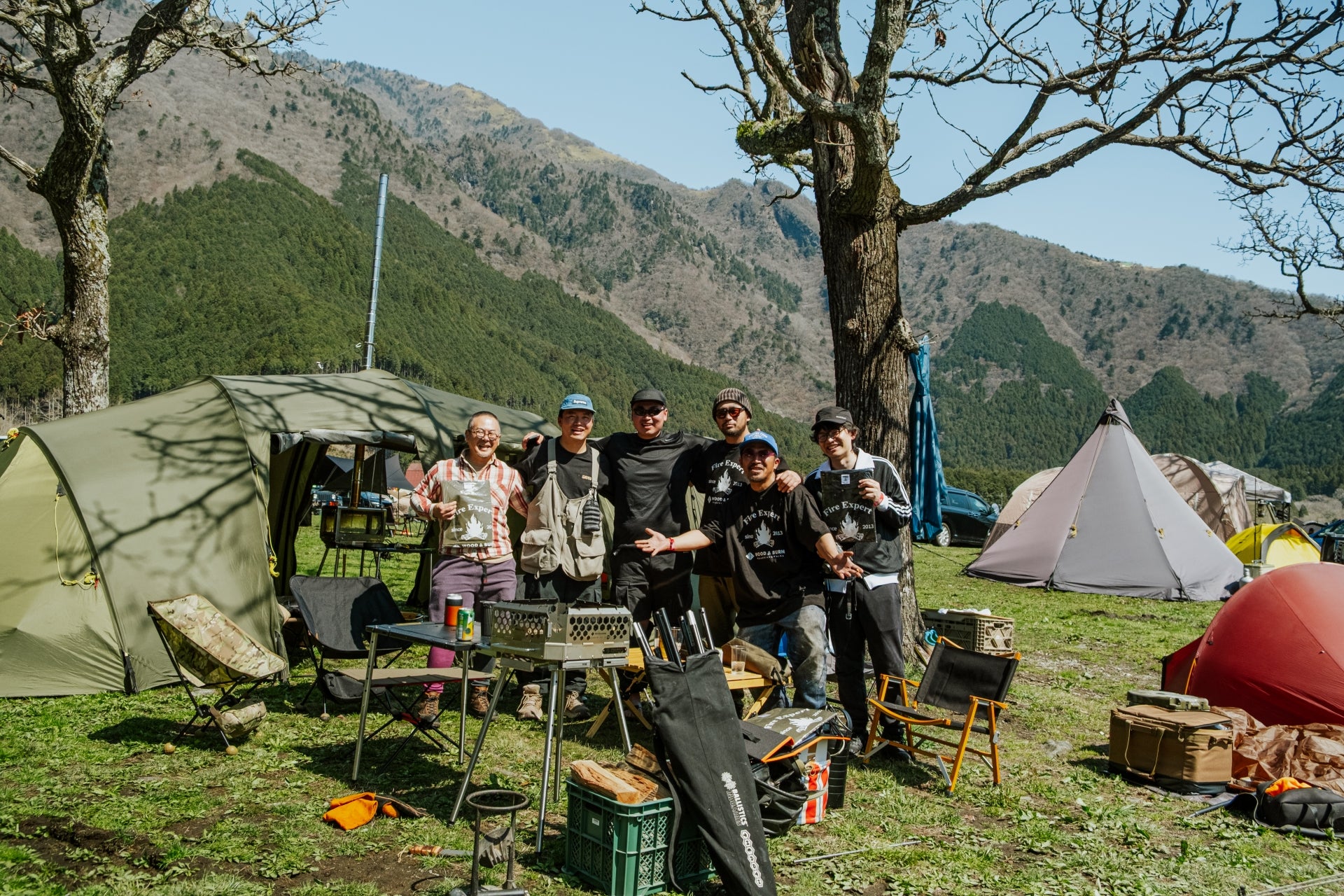
Lump charcoal is a strong choice when the cook is short, hot, and hands-on. Think skewers over a concentrated fire, thin steaks, smash burgers, grilled peaches, or a cast-iron pan set close to the coals. It also works well at camp, where quick lighting and low ash can make cleanup easier.
It suits cooks who enjoy reading the fire. You may need to sort a bag for larger pieces, replenish the bed during a longer session, or shift coals to even out the heat. Those are not flaws if tending the grill is part of how you spend the evening. A fire that asks for attention can become the center of the gathering.
Use lump when you want high heat, quick ignition, less ash, and the tactile feel of cooking over hardwood. Keep a few larger pieces aside for a steadier foundation, then use medium pieces to fill the gaps and create a more even coal bed.
Choose Briquettes for Long Cooks and Easy Planning
Briquettes are the practical choice for ribs, pork shoulder, whole chickens, and any cook where consistency matters more than raw intensity. Their uniform shape makes it easier to repeat a successful setup, whether you are feeding two people on a balcony or setting a full outdoor table for friends.
They are also useful for newer charcoal cooks. A measured number of briquettes in a chimney starter gives a clearer starting point than an assortment of irregular lump. Once the coals are ready, you can build a two-zone fire with confidence: one side for direct heat and one side for gentler finishing.
For a long cook, plan for ash. Empty the ash catcher before lighting, keep lower vents clear, and avoid packing the charcoal grate so tightly that airflow is restricted. With those basics covered, briquettes offer a relaxed, dependable burn that lets the food and the people around it take priority.
The Best Approach May Be Both
Many experienced cooks keep both fuels on hand. Lump charcoal handles the spontaneous dinner when the grill needs to be ready soon. Briquettes take over for longer sessions that benefit from measured timing. There is also a middle path: build a stable base with briquettes and add a few pieces of lump or hardwood chunks for a livelier flame and a touch more wood character.
The grill matters, too. A thoughtfully designed charcoal grill makes either fuel easier to use by supporting airflow, managing ash, and giving you control over the distance between coals and food. That is where good equipment earns its place. It turns fire from something you merely contain into something you can shape.
A Better Fire Starts With the Meal You Want to Share
Choose lump charcoal when you want the bright energy of a fast, high-heat cook. Choose briquettes when the menu calls for patience, predictable heat, and a longer table conversation. Then give the fire a few quiet minutes to establish itself before you start cooking.
The best charcoal is the one that lets you stay present: close enough to the grill to enjoy the crackle and color of the coals, but free enough to hear the stories gathering around it.