

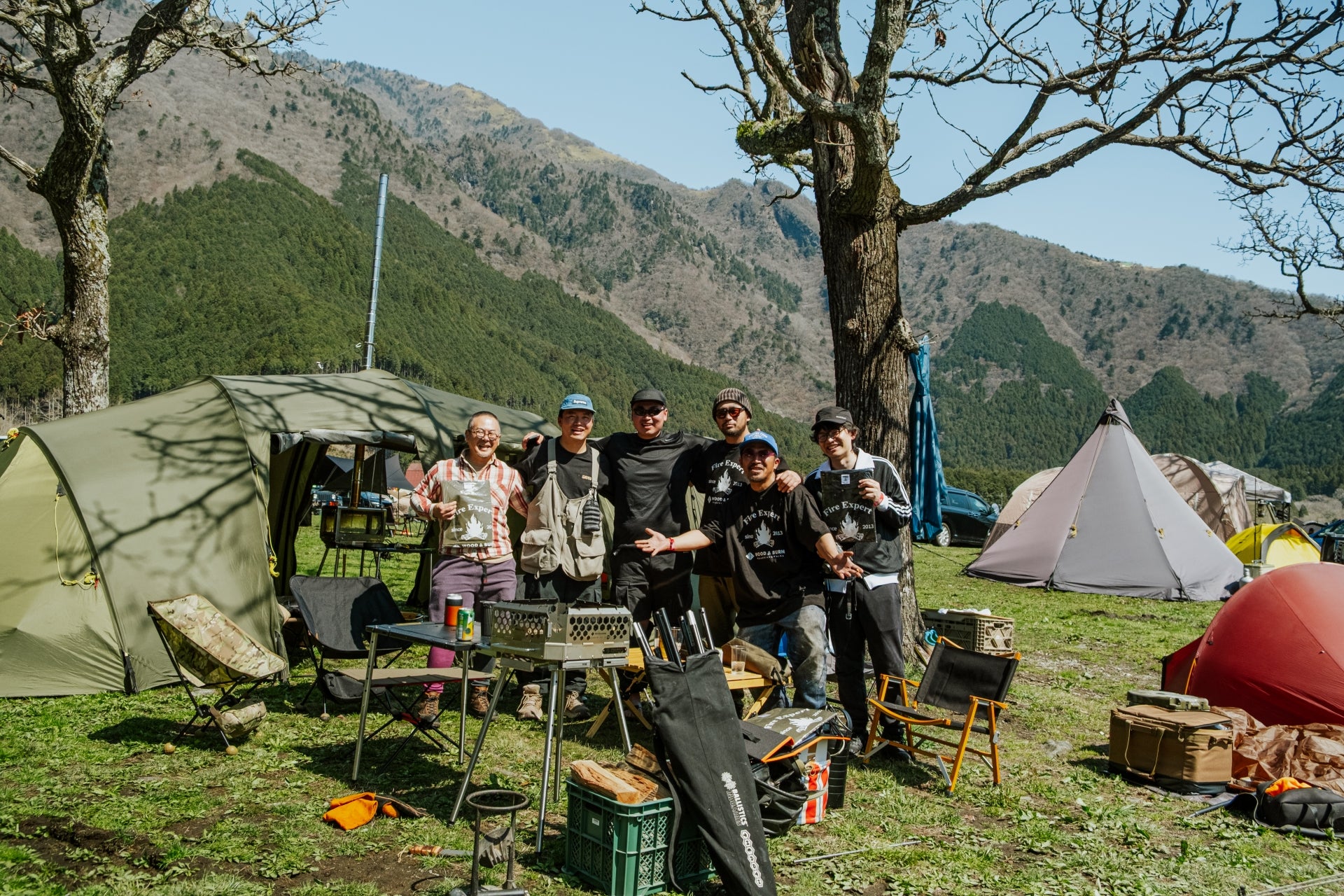
A live fire changes the pace of an outdoor evening. It gives everyone a reason to stay a little longer, shifts dinner from a task into an occasion, and turns an ordinary patch of ground into a place you'll always remember. But the best fire experiences are rarely accidental. They come from choosing the right setup, understanding the fuel, and giving the flame room to do what it does best: warm, cook, and gather people close.
Why Live Fire Still Matters
There are faster ways to make heat. There are easier ways to cook. A push-button grill and a patio heater both have their place. Yet neither asks quite as much of the people around it as wood does.
Live fire rewards attention. Someone adds a split log. Someone moves a chair closer. Someone notices that the coals are finally right for vegetables, cast iron, or a grate of simple food cooked slowly over radiant heat. The work is modest, but shared. That is part of the point.
The appeal is not nostalgia for inconvenience. It is the opposite: a desire to remove the frustrations that keep people from enjoying fire in the first place. Smoke that follows every seat at the circle, an unstable cooking surface, a fire pit that is hard to pack, or a setup that only does one job can turn a promising evening into a compromise. Well-designed equipment makes the ritual more natural without taking the character out of it.
For backyard hosts, that may mean a fire pit that looks considered before the first log is lit and supports cooking when the night calls for it. For campers and overlanders, it may mean compact gear that travels well, sets up intuitively, and creates a reliable center at camp. The setting changes. The human need does not.
A Better Fire Starts With Air and Fuel
A clean, steady flame is built before the match is struck. Start with dry, seasoned hardwood. Wood that has been properly dried lights more predictably, produces stronger heat, and creates less smoke than damp or green fuel. If a log feels unusually heavy, shows fresh-looking cut ends, or hisses at the fire, it likely needs more time to dry.
Size matters, too. Use small, dry kindling to establish the first flame, then add medium splits before moving to larger logs. Adding one oversized piece too early can smother a young fire. The goal is not a towering blaze. It is a stable bed of heat with enough airflow to keep combustion active.
That airflow is where fire pit and stove design earn their place. A thoughtful air system feeds oxygen where the fire needs it while helping the flame burn more completely. The result can be less visible smoke, better heat, and a clearer view across the fire. It does not eliminate the realities of burning wood - fuel quality, wind, and loading technique still matter - but it makes good results easier to repeat.
Wind deserves its own consideration. A breezy ridge, exposed beach, or open backyard can change how a fire performs. Position your setup on stable, noncombustible ground where permitted, keep the opening and seating arrangement responsive to prevailing wind, and avoid trying to overpower gusts with more wood. A smaller, controlled fire is more comfortable and more useful than a dramatic one that sends sparks and smoke in every direction.
Build for Coals, Not Just Flames
Flames create atmosphere, but coals do much of the serious cooking. Once hardwood burns down, it produces a dense, radiant heat that is ideal for grilling and for cookware set over or near the fire. Give that stage time. Rushing food onto a new, high flame often means scorched edges and an undercooked center.
For direct grilling, aim for an even bed of glowing coals. For pots, skewers, or slower cooking, adjustable height is valuable because it lets you control distance from the heat rather than constantly fighting the fire itself. That is a simple distinction with a large payoff: the fire remains the source, while the cooking system handles precision.
Choose Gear That Can Change With the Night
The strongest outdoor setups do not force a choice between fire pit, stove, and grill. They let an evening evolve.
A few people may begin with drinks and a low flame. Then dinner moves onto a grate. Later, the cooking accessories come off, the logs are rearranged, and the same piece becomes a warmer, more open gathering point. Modular equipment is valuable because it follows that rhythm. It gives you dedicated surfaces and tools when you need them, without crowding the experience when you do not.
This is especially useful for people who split their time between home and camp. A fixed backyard fire feature can be beautiful, but it cannot come along for a weekend under the pines. Ultralight backpacking gear solves a different problem, but may not be built for a long meal with friends. A premium portable system sits in the middle: substantial enough to create a real destination, compact enough to earn its place in the vehicle.
WOOD&BURN approaches this balance through modular fire systems designed to move from warmth to cooking to campsite utility without losing the visual clarity of a well-made object. The practical question is not whether a fire pit can do everything. No single setup is perfect for every environment. It is whether it can do the things you actually want to do outdoors with less friction.
Consider the conditions that define your use. If you regularly cook for a group, prioritize a stable grill surface and adjustable cooking height. If warmth and conversation come first, look for a design that manages airflow effectively and gives a clear view of the flame. If travel is part of the plan, pay attention to packed size, carrying method, assembly, and how easily ash can be handled once the fire is cold.
The Live Fire Ritual Is Safer When It Is Simpler
Good fire practice should feel built into the evening, not added as an afterthought. Establish a clear fire zone before anyone arrives. Keep chairs at a sensible distance, keep kids and pets supervised, and make sure there is a practical method to extinguish the fire completely. Water is effective, but use it carefully with hot metal equipment because sudden cooling can be hard on some materials. In many cases, allowing fuel to burn down naturally and then fully cooling and checking the ashes is the better approach when time allows.
Local rules always set the boundary. Fire restrictions, campsite regulations, burn bans, and property guidelines are not suggestions. A portable fire system does not make a prohibited fire permissible. Check conditions before you pack wood or plan a meal, particularly during dry or windy seasons.
Ash management is also part of respect for the place. Never assume a pale ash bed is cold. Coals can retain heat long after the visible flame has disappeared. Wait until ash is fully cool, then dispose of it according to local guidance. At camp, leave the site cleaner than you found it. At home, protect decks, lawns, and hard surfaces with the appropriate heat-safe placement and clearance.
There is a useful design principle here: the easier a system is to operate safely, the more likely people are to use it well. Stable legs, purposeful handles, sensible clearances, and accessories that fit securely are not minor details. They help keep the focus where it belongs - on the people and the fire, not on managing avoidable problems.
Cook Food Worth Gathering For
Live-fire cooking does not need to begin with an ambitious menu. Start with food that benefits from direct heat and does not demand minute-by-minute precision: whole vegetables, sausages, skewers, flatbreads, bone-in chicken, or a cast-iron pan of potatoes. Bring ingredients to room temperature when appropriate, season simply, and let the fire provide the complexity.
For a larger meal, create two heat zones. Keep a hotter area for searing and a cooler edge for finishing or holding food. This can be as straightforward as arranging coals more densely on one side of the fire bed. If your grill system allows height adjustment, use it as another layer of control. Raise food when the fire is lively; lower it as the coals settle into a calmer, more even heat.
The trade-off is time. Live fire asks you to cook with the conditions rather than against them. A meal may take longer than it would on a gas grill, and a changing breeze can require adjustment. In return, dinner becomes part of the gathering instead of disappearing behind a closed lid. Someone can tend the coals while someone else slices bread. The cook stays in the conversation.
Set the last log on while there is still enough light to see faces clearly. Let the coals settle, bring out something warm to share, and leave room for the evening to become more than the plan you made for it.