

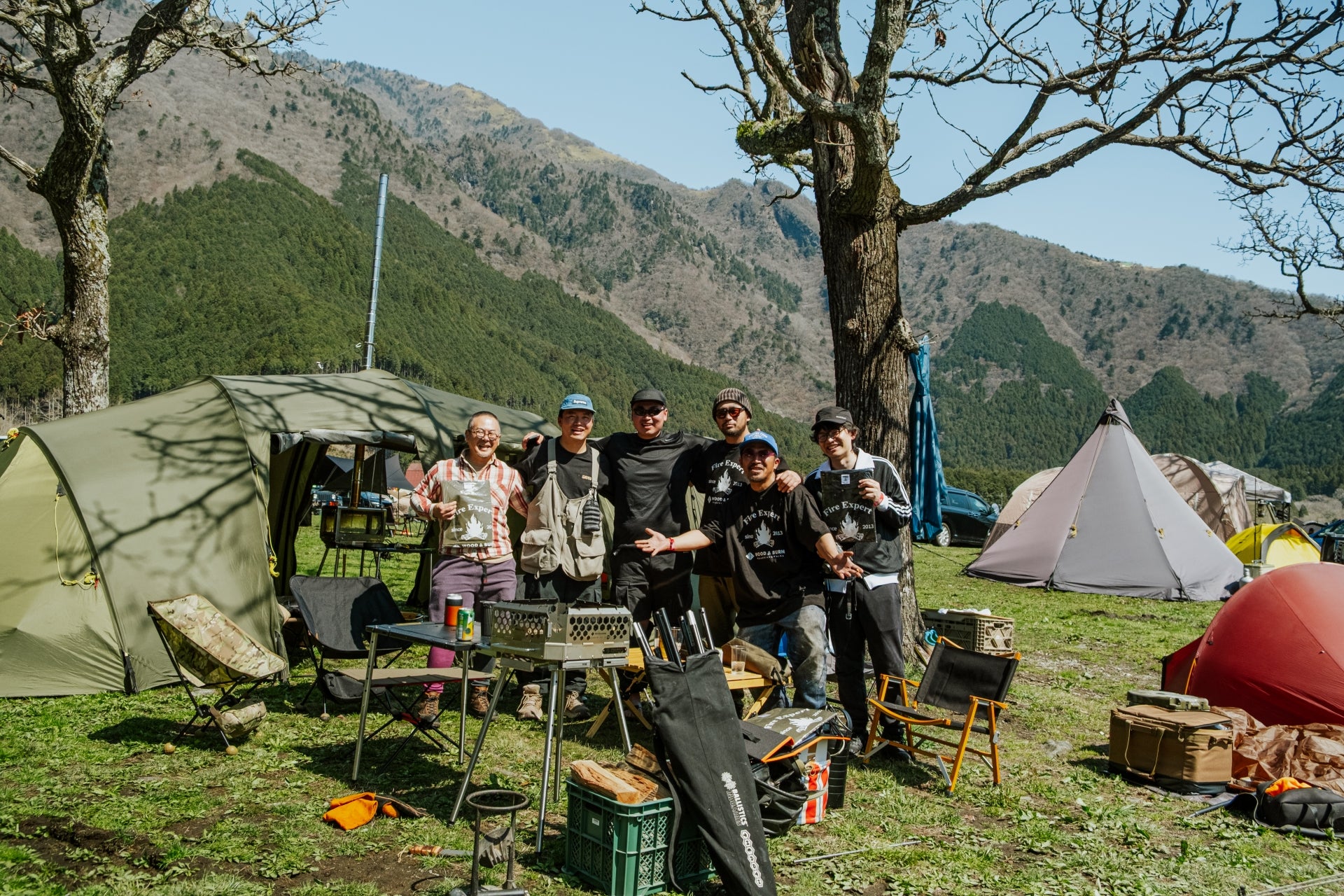
A fire pit can become the heart of an evening - but only if its location lets people relax around it. This guide to fire pit placement starts with a simple idea: choose a spot that serves the gathering, not just the flame. The right placement gives heat somewhere to go, smoke a way to move, and guests enough room to settle in with a drink, a meal, or a story that runs later than planned.
Start With the Space Around the Fire
Before measuring a patio or clearing a campsite, look at the whole setting. Where do people naturally enter, sit, cook, and set down their gear? A fire pit should feel intentional in that flow, not like an obstacle everyone has to circle around.
In a backyard, the best location is often a distinct outdoor room with a clear approach from the house and enough open space for seating. It may sit at the far edge of a patio, in a gravel gathering area, or beyond the dining table where the experience can shift from dinner to fire without moving the entire party. Avoid placing it in the main route to a door, gate, pool, or grill. People carrying plates, firewood, and sleeping children need a clear path.
At a campsite, placement begins with the established fire ring when one is provided. It protects the site, respects local rules, and reduces the impact on the landscape. If dispersed camping is allowed, select an existing hardened area rather than creating a new scar on the ground. Keep the fire experience close enough to camp for comfort, but not so close that tents, awnings, fuel, or cooking gear become part of the heat zone.
The Safety Layer of Fire Pit Placement
A beautiful fire setting is built on clearances, stable ground, and attention to conditions. Your fire pit manual and local ordinances should set the final rules, since required distances vary by product, municipality, property type, and current fire restrictions. Homeowner associations, campground hosts, and land managers may also have their own requirements.
As a working principle, place a fire pit on a level, noncombustible surface with generous open air above it. Gravel, pavers, stone, and concrete are usually more appropriate than dry grass, untreated wood decking, or a surface crowded by fallen leaves. Heat can travel downward as well as outward, so do not assume every patio or deck is automatically suitable. Some elevated pits are designed to reduce ground heat, but that does not replace the manufacturer’s placement guidance.
Look up, too. Low branches, pergolas, overhangs, patio umbrellas, and fabric canopies may feel far away when the pit is cold. They are much closer once heat rises and a breeze carries flame or sparks. Keep the area above the fire completely clear.
The same care applies at ground level. Keep firewood, lighter fluid, propane cylinders, outdoor cushions, kids’ toys, and dry landscaping well outside the active fire area. Have water, a hose, sand, or an appropriate extinguisher nearby, depending on the setting and local guidance. A fire pit is for slowing down. Its setup should never require last-minute improvising.
Consider the surface before the furniture
People often choose chairs first and solve the floor later. Reverse that order. A stable, heat-appropriate base makes everything else easier: the pit sits level, chairs do not sink, and ash cleanup is more manageable.
A compact gravel pad can work beautifully in a backyard, particularly when bordered by stone or steel edging. On a larger patio, leave a dedicated zone around the pit rather than placing it tightly against outdoor furniture. For travel, a raised fire pit can offer flexibility, but only where fires are permitted and the ground conditions support its use.
Read the Wind Before You Choose the View
The view matters. So does wind direction.
A fire pit facing a mountain line, water, or an open yard creates a natural focal point. Yet a location that looks perfect at noon may send smoke directly toward the house or across every chair after sunset. Spend time in the space at the hour you expect to use it. Notice prevailing breezes, walls that funnel wind, and corners where smoke may linger.
Do not place a fire pit in a tight courtyard simply because it is sheltered. Enclosed spaces can trap smoke and make the gathering feel heavy rather than inviting. Likewise, a fully exposed ridge may be too gusty for an enjoyable fire, even if the view is exceptional. The best site usually has open ventilation with enough protection from strong, shifting wind.
If your wind is inconsistent, build flexibility into the seating plan. Lightweight chairs can turn with the breeze. A circular arrangement lets guests move without breaking the group apart. This is one advantage of a freestanding, design-forward fire pit: it can define a destination without permanently locking your outdoor space into one layout.
Give People Room to Gather
Fire is social architecture. It draws people inward, then asks them to find their own comfortable distance.
Allow enough space between the fire pit and seating for people to pass behind chairs without brushing close to the heat. The exact distance depends on the pit’s size, flame height, weather, and the kind of seating you use. Deep lounge chairs may sit farther back; upright dining-style chairs may need a little more room to stand and move. Test the arrangement with the pit lit on a calm evening before hosting a larger group.
A modest fire pit can feel lost in an oversized patio, while a large pit can overwhelm a small courtyard. Match the scale to the number of people you host most often, not the occasional holiday crowd. Four to six comfortable seats around a well-proportioned fire are more compelling than twelve chairs pushed to the edge of the warmth.
Think beyond chairs as well. Leave a surface nearby for mugs, tongs, plates, and a lantern. Keep cooking equipment close enough to use, but outside the path where people gather. When the fire pit supports grilling or open-fire cooking, place the prep table where the cook can work without turning their back on the flames or blocking the circle.
Place It for the Way You Actually Use Fire
A backyard fire pit used for quiet weeknights needs something different from a modular camp kitchen. Be honest about the ritual you want to create.
If warmth and conversation come first, prioritize a comfortable sightline from the house and a clean seating circle. If you plan to cook over live fire, give yourself more working clearance, a stable surface for tools, and a route to the indoor kitchen or cooler. If you travel with your fire pit, prioritize packable gear and legal, low-impact locations over building a permanent-looking setup at every stop.
This is where modular equipment earns its place. An elevated system with adjustable cooking accessories can move between a backyard meal, a beachside gathering where permitted, and a basecamp dinner. WOOD&BURN designs its fire equipment around that kind of adaptability, but the principle applies to any setup: place the pit according to its real job, not its product photo.
Backyard placement and campsite placement are not the same
At home, you can shape the setting over time. Add a gravel pad, improve drainage, move seating, and plant with fire-safe spacing in mind. At camp, the setting is temporary and your responsibility is to leave it as you found it. Existing fire rings, posted restrictions, weather conditions, and the proximity of neighboring campers take priority over your preferred layout.
Never treat a portable fire pit as permission to build a fire anywhere. Seasonal burn bans and site rules still apply. When fire conditions change, a shared dinner can still happen with a grill where permitted, warm layers, and a lantern at the center of camp.
A Final Check Before the First Match
Once you have chosen a location, stand where each guest will sit. Look for low branches, tripping hazards, narrow walkways, and anything heat-sensitive. Check that the pit is level. Confirm that access to water or an extinguishing method is quick and unobstructed. Then look at the space from inside the house or from the tent entrance.
The best fire pit placement does more than meet a clearance requirement. It gives fire a proper place in the landscape - one that feels considered, useful, and ready for the people you want beside it. Set it well, and an ordinary patch of patio or a quiet campsite can become a place you will always remember.