

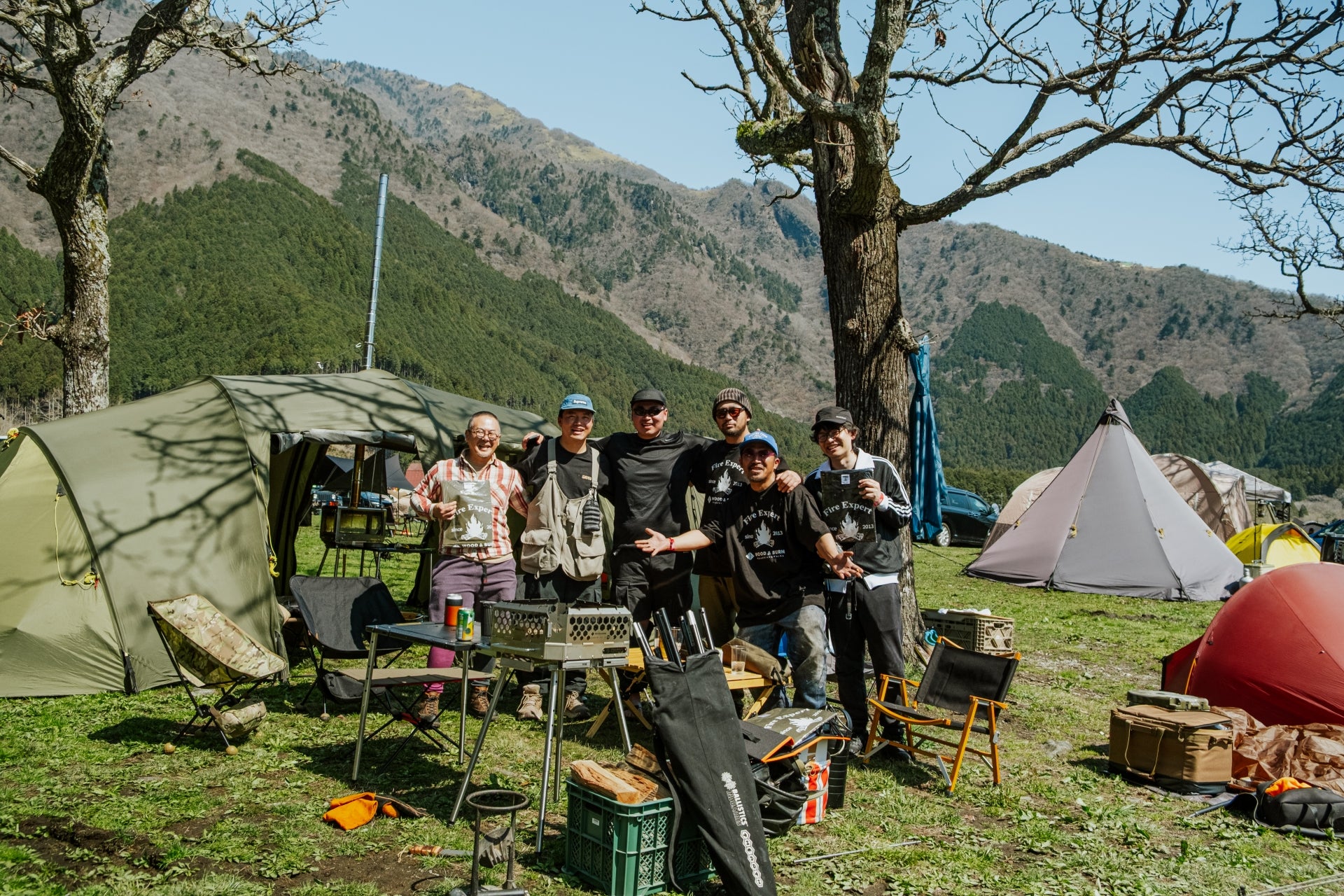
A fire pit should make a campsite or backyard feel more open, not more complicated. So, are elevated fire pits safe? They can be an excellent choice when the pit is engineered for heat management, placed on the right surface, and used with the same steady attention any live fire requires. Elevation can improve airflow, portability, and ground protection, but it does not make a fire automatically safe.
The difference comes down to the whole setup: the fire pit, the fuel, the ground beneath it, the space around it, and the person tending the flame. Get those elements right, and an elevated fire pit can become the heart of a gathering - warm, controlled, and ready for cooking long after sunset.
Why elevation can make a fire pit safer
A traditional ground fire can leave behind scorched grass, smoldering ash, and a ring of heat that is difficult to manage. Raising the firebox creates separation between the flame and the surface below. That separation is useful, especially on compacted dirt, gravel, stone, or other noncombustible surfaces where you want a more defined fire area.
Elevation also gives a fire pit a clearer footprint. Rather than spreading a fire directly across the ground, you create a contained burn zone with visible boundaries. For hosts, campers, and families, that makes it easier to establish where people should sit, where wood should be stacked, and where cooking tools belong.
Well-designed elevated fire pits often benefit from better air movement, too. Airflow can help wood burn more completely, reducing the lazy, smoky fire that results when logs are damp, overcrowded, or starved of oxygen. A cleaner burn does not eliminate risk, but it can make fire tending more predictable.
Still, the word “elevated” deserves some perspective. A few inches of clearance beneath a fire pit is not a promise that the ground will stay cool. Metal holds and radiates heat. Hot ash can fall through vents or when the fire is stirred. In dry conditions, even a brief contact with embers can create a problem.
Are elevated fire pits safe on decks and patios?
This is where many assumptions fail. An elevated fire pit may be suitable for a patio, but that does not mean it belongs on every patio surface. Concrete, pavers, and stone are generally more forgiving than composite decking, wood decking, dry grass, or a rug placed over a deck. The fire pit's own instructions should always set the minimum clearance requirements, including clearance beneath the unit and around the firebox.
A heat shield, ember mat, or dedicated fire-resistant base can add protection, but it is not a universal permission slip. Its performance depends on the material, the amount of heat produced, the burn duration, and whether airflow remains open beneath the pit. Never place a heat barrier over something flammable and assume the issue is solved.
Wood decks require the most caution. Heat can build quietly below the fire pit while sparks land beyond its edge. If the manufacturer does not explicitly approve that surface and setup, choose a different location. A gravel pad, stone patio, or bare mineral soil is often the better place to gather.
Avoid using a wood-burning fire pit in an enclosed porch, garage, tent, vehicle awning, or any partially enclosed area without proper approval and ventilation. Carbon monoxide is odorless, and smoke needs room to move. An open view of the sky is part of a safer live-fire experience.
Stability matters as much as heat clearance
An elevated fire pit needs a level, firm foundation. Soft soil, loose sand, sloped ground, and uneven pavers can turn a stable-looking setup into a tipping risk once the firebox is loaded with wood. Before lighting, press gently on the structure, check that its legs sit evenly, and make sure no accessory creates an off-center load.
This is particularly relevant with adjustable grills and cooking attachments. Modularity brings real freedom - a low flame for warmth, a raised grate for cooking, a different configuration for camp use - but every configuration should be secured before the fire begins. Do not reposition a loaded fire pit or a hot grill component to correct a setup problem later.
Build a safer fire before the first match
Safe fire tending begins while the pit is still cold. Start with seasoned, dry firewood sized for the firebox. Oversized logs can sit awkwardly above the rim, shed sparks, and encourage users to force wood into a fire that is already too large. Treated lumber, painted wood, construction scraps, trash, and accelerants do not belong in the pit. They can release harmful fumes, burn unpredictably, and damage the fire pit itself.
Keep the immediate area clear of dry leaves, paper goods, spare firewood, camp chairs with loose fabric, and anything that can catch a drifting ember. The distance needed depends on local rules, wind conditions, and the pit's instructions, but a generous clear zone is always easier to manage than a crowded one.
Before every burn, have water, a hose, or a properly rated fire extinguisher close by. Water is often effective for extinguishing a wood fire, though it can create a burst of steam and leave a wet ash bed behind. A metal shovel or poker is equally valuable for spreading coals during shutdown. The goal is not simply to put out visible flames. It is to cool the entire fuel bed until no heat remains.
Check local burn rules before lighting. Seasonal fire restrictions can change quickly, particularly in dry regions and public campgrounds. A premium fire pit cannot override a burn ban, a wind advisory, or a campground's designated-fire policy.
Wind is the condition that changes everything
A calm evening and a gusty one demand different decisions. Wind can push flames toward one side of the firebox, carry embers farther than expected, and make a previously controlled fire feel erratic. If the wind begins to move sparks outside the intended area, reduce the fire immediately or put it out.
This is also why a modest fire is usually the better fire. Build for the moment, not for spectacle. A smaller, well-fed flame provides warmth, light, and cooking heat with less smoke and fewer flying embers than a towering pile of logs. It also gives you time to react if conditions shift.
For cooking, let the initial flames settle into a steady coal bed when possible. A fire pit designed with a grill accessory can turn one setup into dinner and conversation, but cooking grease can flare when it reaches hot coals. Keep food attended, use long-handled tools, and avoid leaning over the firebox to make adjustments.
Children, pets, and a more relaxed gathering
The safest fire area has clear social boundaries. Children should know where the perimeter is before the fire is lit, not after they have become curious about it. Pets need the same consideration, especially around hot metal legs, dangling cooking tools, and food scents.
An elevated design can make the fire more visible and less accessible than a ground-level coal bed, but surfaces remain hot long after the flame disappears. Treat the entire unit as hot, including handles, grates, ash trays, and nearby metal accessories. If you need to move a component, wait until it has fully cooled or use tools made for that purpose.
One responsible adult should remain aware of the fire from lighting through extinguishing. That does not mean standing watch with no room to enjoy the evening. It means avoiding the moment when everyone walks inside because the conversation has moved on, leaving a glowing bed of coals behind.
Choose engineering over improvisation
The best elevated fire pits are designed as complete systems, not as a bowl on legs. Look for stable geometry, durable heat-rated materials, a firebox that contains fuel securely, and accessories that attach with intention. Features such as controlled airflow, ash management, and adjustable cooking height can make live fire easier to use, but only when they are paired with clear operating guidance.
A modular system such as the WOOD&BURN Landmark is especially useful when your needs change between backyard warmth, campsite cooking, and an open-fire meal. The benefit is not simply having more attachments. It is being able to create a deliberate setup rather than improvising with unstable grates, loose stones, or makeshift supports around an active flame.
Read the manual before the first burn, including its rules for fuel load, surface placement, clearances, and cleaning. Ash should be removed only when it is completely cold and placed in a metal container away from combustible materials. A little maintenance preserves both the finish and the safety of the fire pit.
A well-made elevated fire pit gives fire a defined place in the landscape. Choose that place carefully, keep the flame sized to the conditions, and let the warmth do what it does best: bring people close enough to remember the night.