

A fire bowl changes the way a patio feels after sunset. More than a heat source, fire bowls create a clear center of gravity: chairs turn inward, dinner lingers, and an ordinary evening gains a reason to stay outside a little longer. The right one should feel considered in daylight and effortless once the flame is lit.
That balance is what separates a lasting outdoor feature from a decorative object that gets used twice a year. Choosing well means looking beyond the silhouette. Fuel, proportions, material, placement, and how you actually gather all matter.
Why Fire Bowls Feel Different
The bowl is one of the oldest forms in outdoor fire design, and it still works because it makes flame visible from every side. Its low, open profile creates a natural view of the fire without putting a wall between people and the warmth. On a terrace, by a pool, or at the edge of a gravel patio, it can read as sculpture before it becomes the evening’s gathering place.
A fire bowl is especially well suited to hosts who want ambience without turning the entire backyard into an outdoor kitchen. It gives the space a focal point while leaving room for conversation, a shared bottle of wine, or a slow meal at a nearby table.
There is a trade-off. Open bowls generally offer less wind protection, less contained ash management, and fewer built-in cooking options than a raised stove or a modular fire pit. That is not a flaw. It simply means a bowl should match the role you expect it to play.
Choose Fire Bowls by the Way You Gather
Start with the question that matters most: what do you want the fire to do? A bowl for spontaneous weeknight warmth calls for a different setup than one intended for wood-fired cooking or long nights at camp.
Wood-burning bowls for a living flame
Wood creates the full ritual: splitting kindling, building the fire, hearing the first crackle, and tending coals as the night settles in. It produces stronger radiant heat than most gas systems and brings the scent, sound, and visual movement many people want from a real fire.
It also asks more of the owner. You will need dry, seasoned firewood, a safe place for ash, and enough time to let the fire burn down naturally. Smoke can shift with the wind, especially in a broad, shallow bowl with no secondary-air system. Check local burn rules before buying, since seasonal restrictions and neighborhood regulations can shape how often a wood fire is practical.
If cooking is part of the plan, do not assume every wood bowl is ready for it. A simple bowl can handle a marshmallow stick, but grilling vegetables, searing over coals, or suspending a pot requires stable, purpose-built accessories and a way to manage height above the flame.
Gas bowls for instant atmosphere
Propane and natural-gas fire bowls make sense when the priority is speed and control. Press a button, adjust the flame, and enjoy consistent warmth without smoke, sparks, or a next-morning ash cleanup. They are a strong fit for polished patios, compact urban outdoor spaces, and hosts who want to light a fire after dinner without planning ahead.
The compromise is sensory. Gas flames are clean and convenient, but they do not become glowing coals or offer the same wood-fired cooking potential. Propane models also need a tank location that does not interrupt the design. Natural gas is tidy and continuous, though it requires a properly planned gas line and professional installation.
For many homes, the choice is simple: choose wood when tending a real fire is part of the experience; choose gas when the fire needs to appear as easily as outdoor lighting.
Get the Scale Right Before You Commit
A fire bowl can look modest in a product photo and dominate a small patio in person. Give it enough open space to breathe. A compact bowl may suit two to four chairs; a wider bowl can anchor a larger seating circle, but it will demand more clearance, more fuel, and a stronger visual footprint.
Consider rim height as carefully as diameter. Low bowls keep the flame in view and invite a relaxed, lounge-like arrangement. Taller bowls create more presence and can make standing gatherings feel natural, but they may block sightlines from low chairs. The most comfortable setup lets guests feel the heat without needing to lean over the fire.
Depth affects performance, too. A deeper wood bowl can hold a more substantial fire and contain logs more effectively. A shallow bowl gives a sleeker profile but may require shorter pieces of wood and more attention in windy conditions. Neither is universally better. A calm, protected courtyard and an exposed hillside patio are very different environments.
Material Is a Design Decision and a Maintenance Decision
Steel bowls develop character. Depending on the finish, they may darken, show heat marks, or form a controlled patina over time. That evolving surface can be exactly right in a landscape of stone, cedar, and native planting. Steel is also generally suited to high heat, though it should be built with sufficient thickness and drainage to resist standing water.
Cast iron offers impressive heat retention and a substantial, traditional feel, but it is heavy and benefits from regular care to limit rust. Concrete brings architectural weight and a clean, monolithic look, particularly for gas fire bowls. It is not indestructible, however. Poor drainage, freezing conditions, and abrupt temperature changes can create problems over time.
Copper is warmer and more expressive, aging from bright metal into a deeper patina. It can be a beautiful choice for a sheltered setting, but it is usually selected as much for appearance as for hard-use utility. In every material, look for sound construction, a stable base, and drainage that keeps rainwater from sitting in the fire area.
Place the Fire Where People Can Actually Use It
The best fire feature is rarely tucked into the farthest corner of the yard. Put it close enough to the house to feel convenient, yet far enough from doors, overhangs, low branches, fences, and outdoor fabrics to operate safely. Follow the manufacturer’s clearance guidance and all local rules. A fireproof surface such as pavers, stone, gravel, or concrete is generally the right foundation for a wood-burning model.
Wind deserves more attention than it gets. Before choosing a permanent location, spend an evening outside and notice where smoke naturally travels. A bowl placed directly in a prevailing wind path can send every guest moving seats. Nearby walls may provide shelter, but they can also trap smoke or reflect heat, so the space needs to be evaluated as a whole.
Think about the route from the house as well. Carrying firewood across wet grass, stairs, or a long stretch of lawn gets old quickly. A simple wood rack near the bowl, positioned safely away from active flame, makes a wood-burning setup much easier to enjoy.
Make the Fire Part of a Complete Outdoor Setup
A bowl works best when the surrounding space supports the ritual. Arrange seating in a loose circle rather than a rigid row. Leave paths wide enough for someone carrying a drink or adding a log. Use low, warm lighting around the perimeter instead of bright fixtures that compete with the flame.
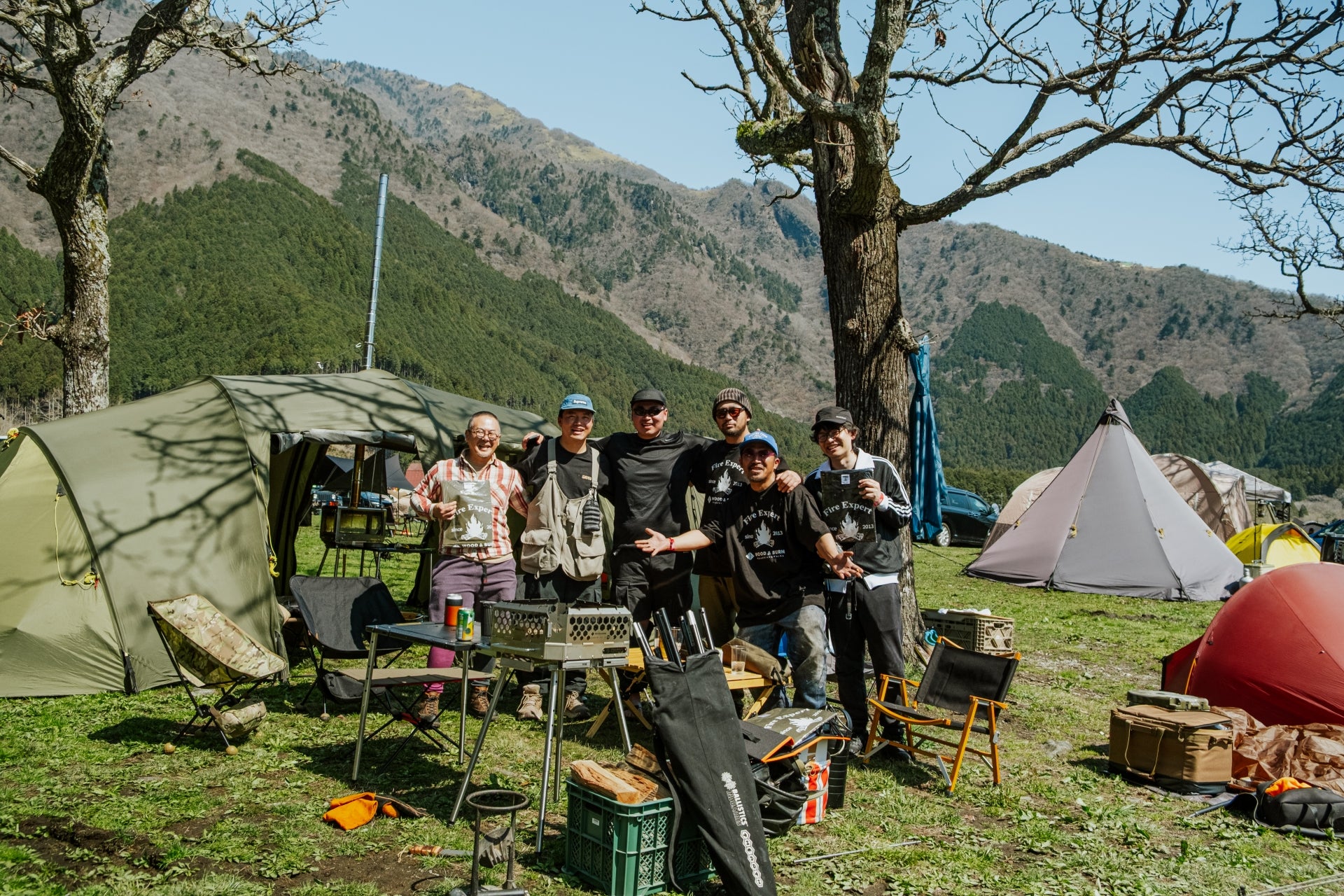
If your outdoor life regularly moves from fire to food, consider whether a bowl is the complete answer. A dedicated grill and a fire bowl can be a beautiful pairing, while a modular fire system can combine warmth, coal management, and cooking in one footprint. WOOD&BURN designs this kind of flexibility for people who want a campsite or backyard to shift naturally from cooking to conversation.
There is no need to force every fire feature into every role. A sculptural gas bowl beside a dining area may be perfect. A wood-burning fire pit with adjustable cooking gear may be better for someone whose best nights begin with cast iron over coals. Choose the object that supports the moments you want more of.
Care That Keeps the Experience Easy
For wood-burning bowls, remove ash only after it has cooled completely, and leave a thin layer when appropriate to help insulate the base during future fires. Clear drainage holes regularly. A fitted cover keeps out leaves and rain, but avoid sealing in moisture for long periods if the bowl is damp.
For gas models, inspect the burner, ignition, connections, and media according to the manufacturer’s instructions. Keep the burner ports clear, and have gas components serviced if ignition becomes inconsistent or you notice unusual flame behavior. Seasonal care is less glamorous than the first spark, but it is what keeps a fire feature dependable year after year.
A well-chosen fire bowl does not need to perform for an audience. It only needs to be ready when the air turns cool, friends stay longer than planned, and the best place to be is right where the light falls.