

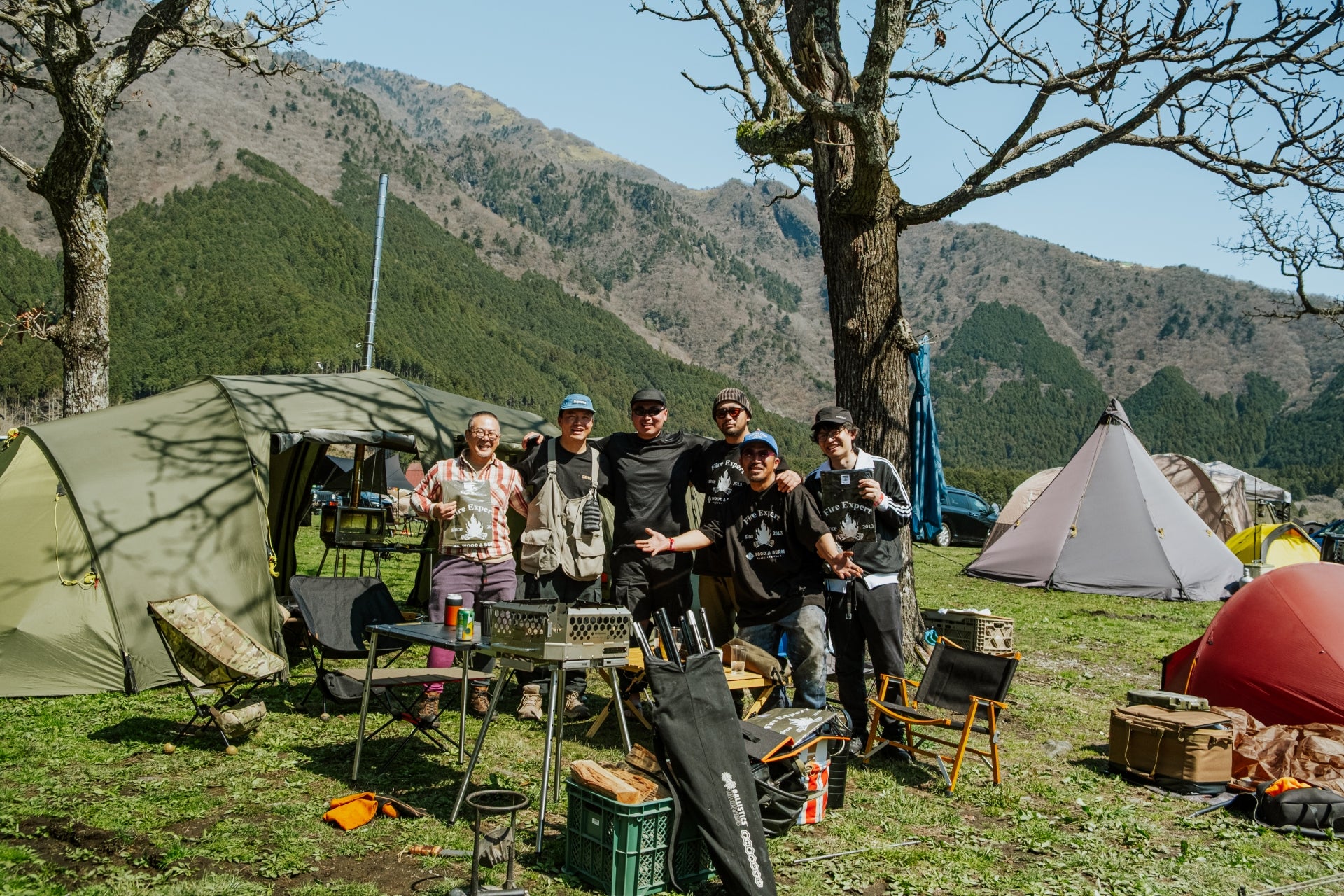
A great fire changes the shape of a campsite. It draws the chairs closer, puts dinner within reach, and gives the evening a warm center. But the fire that makes a place memorable also demands attention. This campsite fire safety guide is built for the moments before the match, during the meal, and long after the last conversation fades.
The goal is not to make fire feel complicated. It is to create a calmer, cleaner ritual: choose the right conditions, use equipment designed for the setting, and keep control in easy reach. Good fire practice protects the people around it, the landscape beneath it, and the campsite waiting for the next group.
Start With the Site, Not the Spark
Before unloading wood or unfolding a fire pit, check the rules for where you are camped. Fire bans, burn restrictions, wind advisories, and designated fire-area requirements can change by season and sometimes by the hour. A portable fire pit or camp stove does not automatically make fire permissible. Follow the campground host, land manager, or posted regulations without improvising.
When fires are allowed, use an established fire ring whenever one is provided. It is the simplest way to keep heat, embers, and ash where they belong. If a portable elevated fire pit is permitted, place it on a level, stable surface with enough clearance from tents, vehicles, low branches, dry grass, picnic tables, and gear.
That clearance depends on the site and the fire system, but the principle is fixed: fire needs open space. Do not set up beneath an awning, inside a tent vestibule, under a tarp, or in an enclosed shelter. Heat rises, sparks travel, and carbon monoxide accumulates where air cannot circulate freely.
Look beyond the immediate setup, too. A beautiful view is not always a safe fire location. Dry needles, tall grass, loose leaves, and brush can carry a small ember farther than expected. Choose bare mineral soil, gravel, or a maintained pad when possible. On a windy evening, the best decision may be to skip the open fire and cook with an approved stove instead.
Build a Fire You Can Manage
The safest campsite fire is modest enough to control. A large blaze may look dramatic for a moment, but it consumes wood quickly, throws more sparks, and makes cooking less precise. Build only the fire you need for warmth or dinner, then add fuel gradually.
Use dry, local firewood when it is available and approved. Transporting wood across regions can spread invasive insects and tree diseases, even when the wood looks clean. Never burn construction lumber, painted boards, pallets, pressure-treated wood, trash, plastic, or food packaging. These materials can release harmful fumes and leave behind residue that does not belong in a campground fire ring.
A clean start needs simple materials: dry tinder, small kindling, and seasoned split wood. Avoid gasoline, lighter fluid, or other accelerants. They can create sudden flare-ups, send burning liquid beyond the fire area, and turn a quiet setup into an emergency. A long match or lighter is enough when the fuel is properly prepared.
A well-engineered fire pit can make the process more predictable by managing airflow and elevating the burn above the ground. That can mean less smoke around the circle and better conditions for cooking. It does not remove the need for clearance, supervision, or local approval. Design helps, but judgment remains the essential tool.
Keep your fire kit close
Do not treat fire safety as something stored in the car. Keep the essentials beside the fire before it is lit:
- A full container of water, plus more than you expect to need
- A shovel or trowel for moving ash and soil
- Heat-resistant gloves and long-handled cooking tools
- A flashlight or headlamp for checking the fire after dark
Set the Circle Around the Fire
Most campsite fire problems begin at the edge of the flame, not in the flame itself. Chairs creep too close. A child reaches for a roasting stick. Someone steps backward into a hot cooking surface while carrying a plate. A thoughtful layout makes those moments less likely.
Create a clear path around the fire and keep bags, firewood stacks, blankets, and spare clothing outside that path. Place cooking tools on one side, seating on another, and keep the water and shovel visible rather than tucked behind a cooler. If children or pets are part of the gathering, name a simple boundary they can understand. A visible ring of stones, a line in the dirt, or a chair arrangement can define a no-step zone.
Assigning one person to watch the fire is especially useful when the group is cooking, arriving, or packing up. That person does not need to sit in silence all night. They simply need to know that the fire is theirs to monitor until another adult clearly takes over. Fire should never be left alone because everyone assumed someone else was watching it.
Alcohol also changes the equation. Enjoy the evening, but decide who is responsible for tending and extinguishing the fire before drinks make that decision less clear. The best gatherings feel relaxed because the basics were handled early.
Cook With Heat, Not Chaos
Live-fire cooking rewards patience. Flames are useful for starting wood, but steady coals are usually better for food. Let the fire settle, then position a grill grate, skillet, or cookware at a safe working height. Adjustable cooking systems are valuable here because they let you move food away from aggressive heat rather than fighting a flare-up with guesswork.
Keep raw ingredients separate from cooked food, and use clean tools or distinct utensils for each. Grease is another consideration. Fat dripping onto hot coals can flare suddenly, especially with burgers, sausages, and richly marbled cuts. Trim excess fat where practical, avoid overfilling pans, and have a lid or clear area ready so you can move food away from the heat.
Do not use water on a grease flare-up in cookware. Move the pan from the heat if it is safe to do so, cover it with a proper lid, or let the fuel burn down under control. For a fire that is no longer manageable, keep people back, call for help, and follow the campground emergency procedure.
When cooking is done, resist the temptation to toss packaging, napkins, or scraps into the fire. Food waste can attract wildlife, while foil, plastic-lined materials, and trash leave a mess for someone else to manage. Pack it out. A refined campsite leaves little evidence of dinner beyond the memory of it.
Wind Changes Everything
Wind is the condition most likely to turn a reasonable fire into an unreasonable one. It can push flames sideways, carry embers into grass, and make smoke unbearable for neighboring sites. If gusts pick up, stop adding wood first. Let the fire shrink, move cooking off the flame, and be ready to extinguish it earlier than planned.
This is where flexible gear and a flexible mindset matter. Not every night is a fire night. A warm layer, a hot meal from a camp stove, and a lantern-lit table can still make a campsite feel complete. Choosing restraint is part of outdoor confidence, not a compromise.
Put It Out Until It Is Cold
A fire is not out when the flames disappear. Coals can remain hot for hours, and ash can hide live embers that reignite with a breeze. Begin the shutdown process while there is still enough light and energy to do it properly.
Spread the coals carefully with a shovel or poker. Pour water slowly over the entire bed of ash, listening for hissing and watching for steam. Stir the wet ash, then add more water. Repeat until every section is soaked and there is no heat coming from the center or edges. The final test is simple: when it is safe to do so, hold the back of your hand near the ashes without touching them. If you feel heat, keep cooling.
Never bury a fire under dirt and assume it is finished. Buried coals can continue burning, damage roots, and remain dangerous for the next visitor. Do not dump hot ash into a trash can, scatter it across the site, or leave a portable fire pit loaded for the drive home. Let ash cool completely, then dispose of it according to the campground's rules and your equipment instructions.
A Better Fire Leaves a Better Place
The most memorable campfires are rarely the biggest. They are the ones where dinner cooked evenly, everyone had a comfortable place to sit, and the final walk back to the tent happened with the fire fully cold behind you.
Bring equipment that gives you control, build only what the evening calls for, and leave the site ready for its next gathering. That is how a fire becomes more than heat and flame. It becomes a place you'll always remember, without becoming a risk someone else has to solve.