

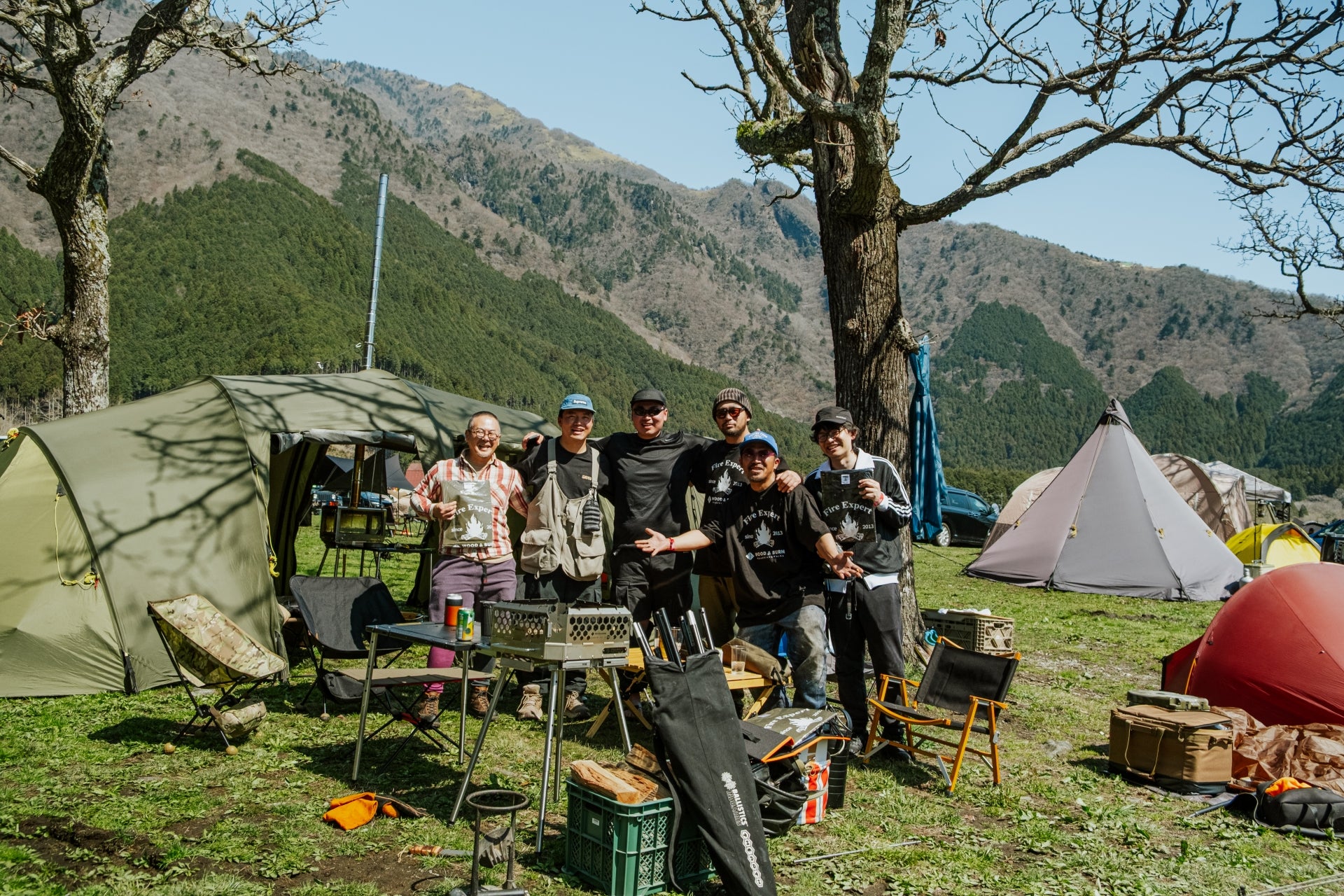
The first meal at camp sets the tone. You can have coffee boiling while the tent is still going up, or you can wait for a bed of coals and make dinner part of the evening itself. The camp stove versus fire pit question is not really about which tool is better. It is about what you want your campsite to do.
A stove brings control, speed, and a reliable hot meal when weather or time is working against you. A fire pit creates warmth, atmosphere, and a natural center for people to gather after the plates are cleared. For many campers, overlanders, and backyard hosts, the best answer is not either-or. It is knowing when each earns space in the vehicle.
Camp Stove Versus Fire Pit: Start With the Purpose
A camp stove is a cooking instrument first. Whether it runs on propane, butane, or another fuel, it gives you a predictable flame and a direct path from packed ingredients to dinner. Turn a control knob, set a pan on the burner, and you can make breakfast before the sun reaches the trees.
A fire pit is a place. It can certainly cook food, but its larger role is to shape the hours around it. It is where wet boots dry at a respectful distance, stories take longer than expected, and a simple grilled meal becomes a shared ritual. The heat is less immediate, the process less precise, and that is often the point.
Choose a stove when the priority is feeding people efficiently. Choose a fire pit when the priority is extending the evening, cooking over live flame, or creating the heart of the campsite. If the trip includes both early trail starts and unhurried dinners, bring both when conditions and vehicle space allow.
Where a Camp Stove Wins
Fast, controlled cooking
A stove is built for the meal that needs to happen now. It excels at boiling water, heating soup, scrambling eggs, sautéing vegetables, and keeping a sauce at a consistent simmer. There is no need to collect wood, nurse kindling, or wait for thick logs to settle into usable coals.
That control matters when you are cooking for hungry kids, arriving at camp after dark, or trying to eat before a sudden change in weather. It also matters for recipes that punish uneven heat. Pancakes, fish, rice, and coffee all benefit from a flame you can adjust by degrees rather than by rearranging burning wood.
Fewer variables in poor conditions
Rain, wind, damp ground, and fire restrictions can turn a traditional campfire into a poor dinner plan. A stove will still need wind protection and safe placement, but it does not depend on dry firewood or a long burn-in period. On a shoulder-season trip, that reliability can be the difference between a warm meal and a long night of snacking from the cooler.
A stove also keeps cooking contained. There is less ash around the prep area, less smoke following the person at the cutting board, and no need to store partly burned logs overnight. For compact campsites, this clean efficiency is hard to beat.
Practical packing for simple meals
For solo campers, bike campers, and anyone building a lightweight kit, the stove is often the sensible default. Fuel canisters and a compact burner occupy less room than firewood, a grate, and the tools needed to manage an open fire responsibly.
Still, a stove is rarely the reason people linger outside. Once dinner is done, its job is finished. It provides utility, not much ceremony.
Where a Fire Pit Changes the Experience
Heat that draws people closer
A fire pit does something a stove cannot: it turns open space into a destination. The light softens a campsite. The warmth gives people a reason to stay outside after sunset. Conversations that might have ended at the table continue around the flame.
This is especially true in cool weather, at dispersed campsites, and in backyards where the goal is not simply to cook, but to host. A thoughtfully designed elevated fire pit gives the flame a clear presence while helping keep the fire contained and the gathering more comfortable.
Better for live-fire cooking
Open-fire cooking is slower, but it offers a different kind of reward. Charred vegetables, cast-iron beans, wood-kissed chicken, and a steak cooked over glowing coals carry flavor a burner cannot reproduce. The fire also invites a more flexible style of cooking: hang a pot, set a grate above the heat, move food farther from the flame, or let embers do the quiet work.
The trade-off is attention. Cooking over wood asks you to read the fire. Tall flames are dramatic but can scorch food quickly. A stable coal bed is usually better for grilling. Wind direction, wood size, and grate height all affect the result.
This is where modular equipment earns its keep. An adjustable grill surface or a dedicated cooking accessory lets you manage distance from the heat instead of forcing every meal into the same position over the flame. A system such as the WOOD&BURN Landmark is designed around that flexibility, moving from a warming fire to an open-fire kitchen without making the campsite feel like a collection of improvised gear.
A more intentional pace
A fire pit asks for time, and time is not always a drawback. Gathering wood where permitted, building a clean fire, and waiting for the right coals can become part of the rhythm of camp. It gives everyone a small role, whether that means tending the fire, preparing food, or simply pulling a chair closer as the temperature drops.
If you are trying to get dinner made between arrival and bedtime, that pace may feel impractical. If you have chosen the campsite specifically to be outside together, it can feel exactly right.
Safety, Restrictions, and Leave No Trace
The most beautiful fire is the one that stays controlled. Before deciding on a fire pit, check current regulations for the campground, state forest, or dispersed camping area. Some restrictions allow contained gas stoves while prohibiting wood fires. Others prohibit all open flames during severe fire danger. Rules can change quickly, even within the same season.
Use an established fire ring whenever one is provided. Where portable fire pits are permitted, place them on a stable, nonflammable surface with ample clearance from tents, vehicles, low branches, and dry grass. Keep water or an extinguisher close, and never leave a fire unattended, even when it appears to be mostly coals.
Firewood deserves the same care. Buy or gather it locally according to site rules rather than transporting it across regions, which can spread invasive pests. Burn wood fully, cool the ashes completely, and leave the site cleaner than you found it. A stove has its own safety requirements too: inspect fuel connections, cook in open air, and never use it inside a tent, vehicle, or enclosed shelter.
The Best Setup for Different Trips
For a one-night roadside camp after a long drive, a stove is usually the smart lead tool. Make a quick dinner, brew coffee at first light, and spend less time managing fuel. If a legal fire is available and the evening is cool, add a small fire pit for warmth after the cooking is done.
For a weekend basecamp with friends, the fire pit often deserves more attention. Bring a stove for morning coffee and backup meals, then let the fire handle the social hours and the slower, more memorable dinner. This combination prevents a common frustration: trying to force every task onto one tool.
For overlanding, think in layers. A stove covers dependable daily cooking. A portable fire pit adds warmth and live-fire capability when the location, weather, and regulations support it. The right gear should expand your options, not pressure you into building a fire on every stop.
Backyard gatherings follow a similar pattern. A grill or stove handles precision and timing, while a fire pit gives the night a center after the meal. That separation keeps the host from standing over a smoky fire while trying to finish every component of dinner at once.
Let the Night Decide
If you need coffee in six minutes, reach for the stove. If you want dinner to smell like oak and the last guests to stay an hour longer, build the fire. Pack for the practical moments, then make room for the ones people will remember.