

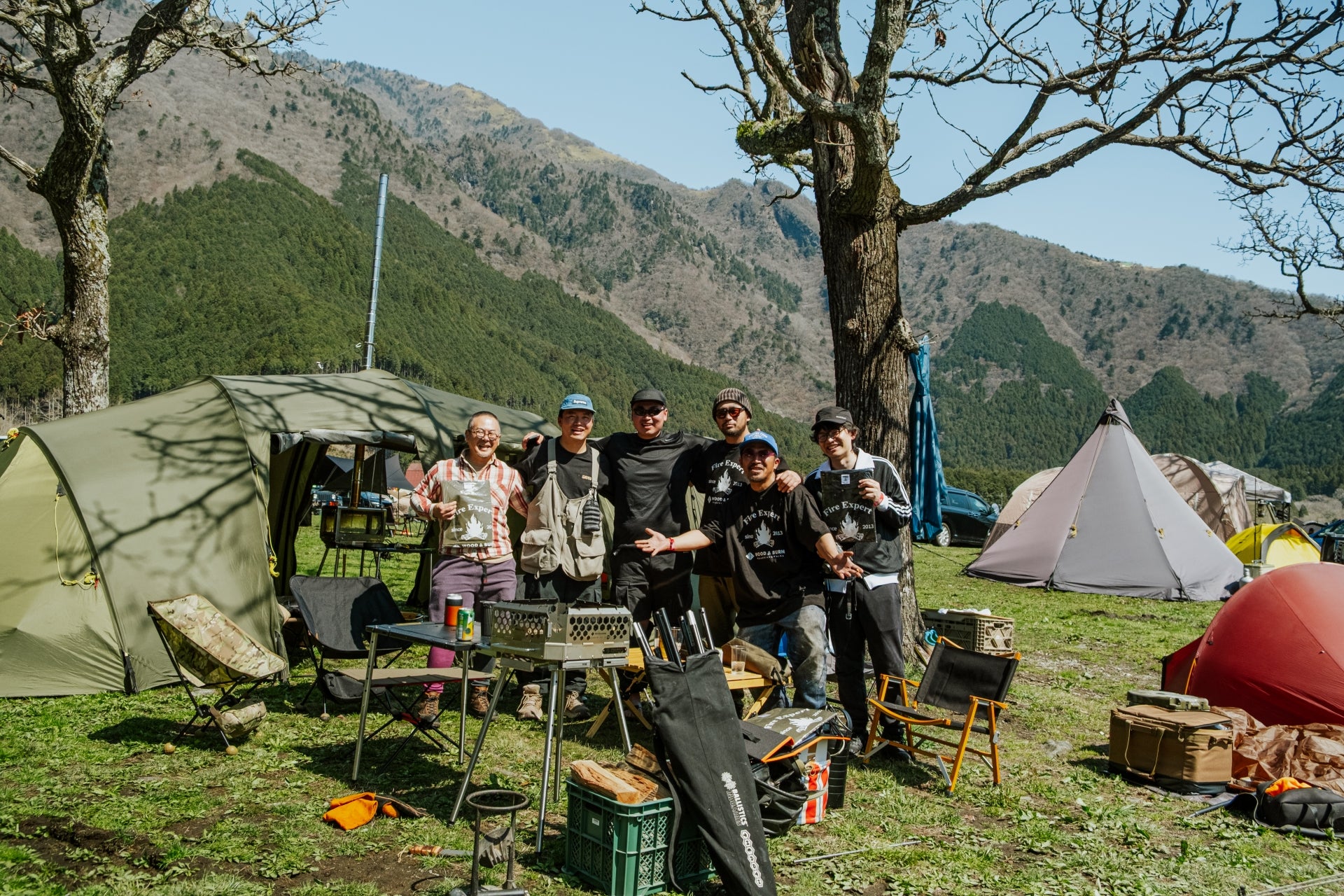
A campsite changes the moment dinner has a proper place to happen. Someone slices vegetables at the tailgate. Someone else tends the coals. The smell of smoke settles into jackets as the light fades. The best camp grills do more than cook food - they give the evening a center.
That is why choosing one deserves more thought than simply buying the smallest grill that fits in the car. At home, a grill can stay in one spot and wait for the next weekend. At camp, it has to travel well, set up quickly, handle uneven ground, and make cooking feel easier rather than more complicated. It should earn the space it takes.
What a Camp Grill Needs to Do Well
A camp grill is working in a less forgiving environment than a backyard cooker. Wind changes the fire. Ground conditions affect stability. Space is limited, and cleanup may need to happen with a water jug and a small bin. The right design accounts for those realities without making the experience feel overly technical.
Start with the kind of meals you actually want to make. A compact grate is enough for coffee, sausages, and a few skewers. It becomes limiting when four people are waiting for burgers, corn, or a cast-iron skillet meal. For couples and light travelers, a smaller cooking surface can be the smarter choice. For family camping, overlanding, or hosting friends at a dispersed site, surface area and fire management quickly matter more.
Heat control is the difference between cooking over a fire and simply hoping for the best. Charcoal camp grills typically offer a more predictable bed of heat, which helps with steaks, vegetables, and food that benefits from steady cooking. Open-fire systems bring a different kind of versatility: the ability to cook over wood, move the grate as flames change, and keep the fire going long after dinner is served.
Neither approach is automatically better. Charcoal is tidy and familiar, while wood creates a longer, more atmospheric evening. The better question is whether the grill gives you enough control for the way you gather.
Choose Heat Control Before Cooking Surface
Large grates get attention, but a grill’s ability to manage heat will shape nearly every meal you make on it. Look for a cooking setup that lets you create distance between food and fuel. Adjustable grill height is especially useful because it allows you to respond to a lively fire without pulling everything off the grate.
When food sits too close to an open flame, fat drips, flare-ups follow, and dinner can move from beautifully charred to burned in a minute. Raising the grate slows the heat and gives thicker cuts time to cook through. Lowering it brings intensity when you want a fast sear or crisp edges on peppers and flatbreads.
A dedicated fire bed also makes a real difference. Fuel that stays contained burns more consistently, and ash is easier to manage at the end of the night. If you plan to use wood, consider how the system handles logs as they burn down. If you prefer charcoal, look for room to arrange coals into a hotter direct zone and a cooler zone for finishing food.
The most satisfying camp cooking setups let you make small adjustments instead of starting over. That is a quiet luxury when the table is set, the sun is down, and everyone is hungry.
Packability Is About More Than Weight
It is tempting to judge portable camp grills by pounds alone. Weight matters, especially if you carry gear from a parking area to a walk-in site. But packed shape, carrying comfort, and setup time are often just as important.
A flat, orderly form is easier to slide beside a cooler or recovery gear than a lightweight grill with awkward legs and loose parts. Components that nest together are less likely to rattle around or disappear beneath sleeping bags. A stable handle, secure latch, or purposeful storage bag can make the difference between equipment you bring every trip and equipment that stays in the garage.
Consider the full carrying equation. A grill that weighs a little more but replaces a separate fire pit, cooking grate, and charcoal unit may simplify your loadout. A modular setup can also let you bring only what the trip calls for: a compact fire base for a quick overnight, then additional cooking accessories for a longer trip with friends.
The goal is not minimal gear for its own sake. It is gear with a clear role, designed to do more without becoming harder to use.
Materials That Belong Outside
Camp grills live close to heat, moisture, grease, dirt, and repeated transport. Material choice should feel intentional, not decorative. Steel offers strength and heat tolerance, while stainless steel can be a strong option for grates and components that see regular exposure to food and weather. Cast iron holds heat beautifully, though it asks for more care and adds meaningful weight.
No material is maintenance-free. Even a well-made grill benefits from being emptied after use, brushed while still warm, and dried before storage. If you cook with cast iron, keep it seasoned. If the fire bowl or grate develops surface discoloration after repeated high heat, treat it as part of an object built for real use, not as a failure of finish.
Pay attention to the details that receive stress: hinge points, grate supports, legs, and joints. Thin materials may save weight, but they can flex under a heavy skillet or become unstable on uneven ground. A camp grill should feel composed when a Dutch oven, a pot of chili, or a full grate of food is on it.
How to Build a Better Camp Kitchen
The grill is only one part of the cooking experience. Give it a place in a simple, repeatable campsite layout. Keep raw ingredients on one side, a prep surface nearby, and finished food away from ash and active fire. It sounds basic, but a little organization makes shared cooking calmer and safer.
Set the grill on firm, level ground with appropriate clearance from tents, dry grass, vehicles, and low branches. Follow local fire rules before lighting anything. In some places, seasonal restrictions or site regulations may rule out wood fires entirely. A good camp kitchen adapts to the conditions rather than forcing a plan that does not fit the place.
Bring the few tools that prevent the most frustration: long tongs, heat-resistant gloves, a small brush or scraper, and a reliable way to move hot grates or cookware. If you are cooking over wood, a poker and a method for safely managing ash are equally useful. These are not extras. They are what let you handle fire with confidence rather than improvisation.
For food, choose meals that respect the setting. Thick-cut vegetables, sausages, chicken thighs, foil-wrapped potatoes, and skillet dishes are forgiving and satisfying. Save delicate, timing-sensitive recipes for a controlled home kitchen unless you enjoy the challenge. Camp cooking becomes more generous when the person at the grill can still take part in the conversation.
When a Modular System Makes Sense
A fixed grill is straightforward, and for some campers, that is exactly right. But a modular fire and cooking system is worth considering when your outdoor time changes from trip to trip. One weekend may call for a small cooking surface for two. The next may include a group dinner, an open fire, or a long evening around glowing coals.
Modular equipment allows a fire pit to become a grill, a grill to support cookware, and a cooking station to become the heart of camp after the meal is done. That flexibility is especially valuable for people who use the same gear in backyards, on road trips, and at remote sites. WOOD&BURN designs its fire and grill systems around that kind of adaptable use: practical components with a more considered presence at the campsite.
There is a trade-off. More capability can mean more pieces to pack and learn. The best system keeps that complexity under control through intuitive assembly and accessories that have a genuine purpose. If an attachment will only be used once a year, it may not deserve permanent space in your vehicle.
Care That Preserves the Next Gathering
Let the grill cool fully before cleaning or packing it. Remove ash only when it is completely cold, and dispose of it according to campsite rules. Brush away food residue, wipe down grease-prone surfaces, and inspect moving parts before the next trip. A few minutes of care protects both performance and the people sharing the fire with you.
Most of all, choose a grill that invites you to use it. The right one will not turn every meal into a production. It will make it easier to cook something good, pull up a chair, and let an ordinary patch of ground become a place you will always remember.