

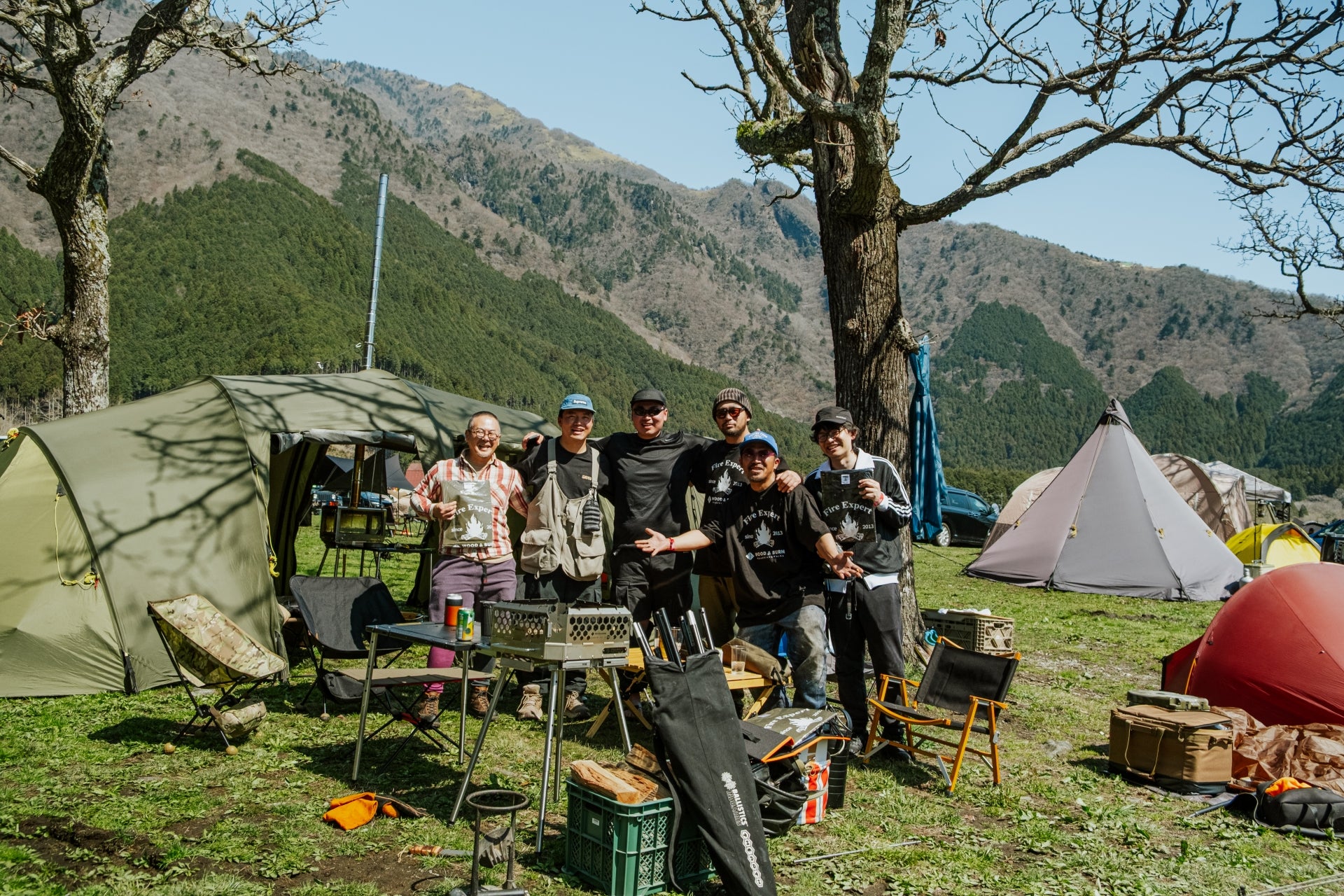
The fire that sends everyone scooting their chairs back is not a good fire. Neither is the one that collapses into smoke just as dinner reaches the grill. To build controlled campfire heat is to create a warmer, calmer center for the evening: enough flame to gather around, enough coals to cook over, and no needless drama.
A controlled fire is not about making the smallest possible flame. It is about choosing the right place, giving the fire a deliberate structure, and adding fuel with a purpose. Whether you are in a developed campground, at a dispersed site where fires are permitted, or hosting friends in the backyard, those decisions shape the entire experience.
Start With a Site That Can Handle Fire
Before wood touches a spark, check local rules, weather conditions, and any burn restrictions. A well-built fire is never a substitute for permission. During a fire ban, dry spell, or high-wind alert, skip the campfire entirely. The best gathering is the one that leaves the landscape exactly as you found it.
Use an established fire ring whenever one is available. At a backcountry site where fires are allowed, choose bare mineral soil or a durable designated surface, well away from tents, vehicles, dry grass, low branches, and gear. Keep at least 10 feet of clear space around the fire area, and consider where smoke and sparks will travel before you light anything.
An elevated fire pit can be a refined alternative for campsites and patios when it is designed for wood burning and placed on a stable, heat-safe surface. It makes the boundary of the fire obvious and keeps the gathering space organized. Still, elevation does not erase risk. Dry leaves beneath the unit, overhanging branches, and strong wind deserve the same attention as they would with a ground fire.
Read the wind before you build
Wind changes both the behavior of flame and the comfort of everyone around it. In light, steady air, position seating so smoke has a clear direction to travel away from the group. In gusty conditions, build a smaller fire or do not light one at all. A large flame in shifting wind is difficult to predict, especially when embers are involved.
Keep water close enough to use immediately, along with a shovel or fire tool for moving wood and smothering embers. Water is not an afterthought reserved for the end of the night. It is part of the fire setup.
Build a Controlled Campfire in Three Layers
Good fire management starts with dry, properly sized fuel. Damp wood creates persistent smoke and weak heat because much of the fire's energy goes toward boiling off moisture. Gather or purchase seasoned firewood, then separate it into tinder, kindling, and larger split logs before you begin.
Tinder should be dry and quick to catch, such as natural fire starters or dry shavings. Kindling is made of pencil- to thumb-thick pieces. The larger fuel logs should be split rather than round whenever possible, because split wood exposes dry interior grain and lights more predictably.
Place tinder in the center, then build a loose cone or small log-cabin structure with kindling around it. Leave visible gaps. Fire needs oxygen as much as it needs fuel, and a tight pile of wood tends to smolder instead of burn cleanly. Add only two or three small split pieces at first. The goal is a modest, established flame, not a towering stack of wood.
Once the kindling has caught and you see a stable bed of glowing material, add one larger split log at a time. Position it so air can still enter beneath and between the pieces. If the flame falls away after each addition, the fire may need smaller fuel, drier wood, or more breathing room. Adding several heavy logs at once usually solves none of those problems.
Let the coal bed do the work
Open flames are beautiful, but coals are where campfire cooking becomes dependable. As wood burns down, rake the glowing coals into an even layer or to one side of the fire area. This gives you two heat zones: a hotter area for searing or boiling and a gentler area for slower cooking.
For grilling, wait until the wood has burned past its most active flame phase and the coals show a soft gray ash. A grate set over a coal bed delivers steadier heat than food held over flickering flames. If you need more heat, add a small split piece to one edge of the fire rather than rebuilding the entire pile.
This is where an adjustable cooking system earns its place. A height-adjustable grill or cooking surface lets you control heat by changing the distance between food and coals, not by constantly feeding the fire. Modular systems such as the WOOD&BURN Landmark are especially useful when the evening moves between open-fire warmth, grilling, and a late pot of coffee.
Control Airflow Instead of Chasing Flame
A campfire can only burn as cleanly as its airflow allows. When the fire is smoky, resist the urge to poke it endlessly. Start by looking at the basics: Is wet wood blocking the center? Have ashes built up so deeply that air cannot reach the fuel? Are the logs packed too closely together?
Use a poker to create small channels beneath the burning wood. Lift or shift a log rather than breaking apart the coal bed. A few intentional adjustments are more effective than constant stirring, which often releases ash and sends sparks upward.
There is also a useful trade-off between a tall flame and long burn time. A loose, airy stack burns brighter and faster. A more compact arrangement around a mature coal bed can burn longer, but it may produce more smoke if packed too tightly. For a social fire, aim for a flame that stays below knee height and does not require regular attention. For cooking, prioritize coals over spectacle.
Avoid liquid accelerants. Gasoline, lighter fluid, and similar products can cause sudden flare-ups, contaminate a cooking fire, and turn a simple task into an emergency. A reliable fire starter and dry kindling are all you need.
Feed the Fire With a Plan
Most unruly campfires become unruly because they are overfed. Add wood when the existing fuel has burned down enough to expose a stable coal bed, not whenever the flame gets smaller. A lower flame is not a failing fire. It may be exactly what dinner needs.
Choose logs that match the moment. Small split pieces bring heat back quickly for cooking. Medium pieces sustain a relaxed gathering. Large logs can provide a longer burn, but they are harder to light, harder to manage, and more likely to remain partially burning when it is time to leave.
Keep the woodpile a sensible distance from the fire, close enough for easy tending but far enough that sparks cannot reach it. Place logs parallel to the fire ring or pit rather than standing them upright, where they can roll or fall outward as they burn.
If children are part of the gathering, establish the fire boundary early and keep a clear path between seating and the water source. Fire tools should have a designated resting place, not a spot in the grass where someone can step on hot metal. These small rituals make the space feel more welcoming because everyone knows how to move within it.
End the Night With a Cold Fire
Plan to stop adding large logs well before you want to leave or go to sleep. Let the final pieces burn down, then spread the embers into a thin layer with a shovel or poker. Slowly pour water over every part of the fire, listening for hissing and stirring the ashes as you go.
Add more water, stir again, and carefully check for remaining heat. The ashes, coals, and surrounding ring should be cool enough to touch with the back of your hand. Do not bury a fire under dirt alone. Hidden embers can continue burning and may reappear when wind reaches them.
At a campsite, return borrowed stones, pack out every piece of trash, and leave the fire area orderly for the next group. In the backyard, empty cold ash only into a noncombustible container and store it away from structures until you are certain no heat remains.
A well-managed campfire does not demand the spotlight. It holds steady while dinner cooks, stories stretch longer, and the people around it settle in. Build it with care, tend it with restraint, and you make room for the kind of evening people remember long after the coals go dark.