

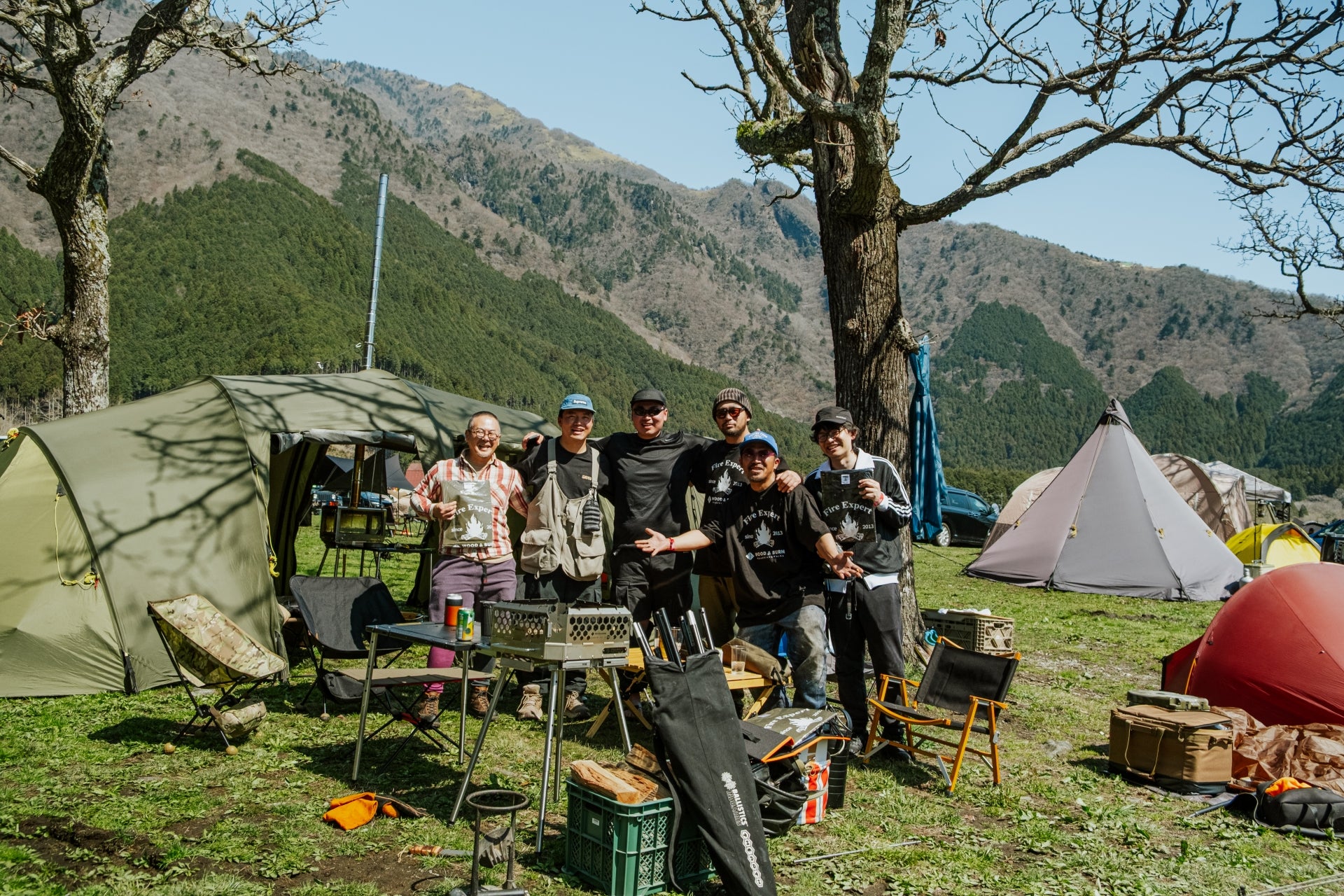
A charcoal grill asks you to participate. You light the fire, read the heat, move the food, and stay close enough to notice the moment a steak develops its crust or vegetables take on a little smoke. That attention is not an inconvenience. It is the reason charcoal grills remain the center of so many memorable campsites, patios, and long outdoor evenings.
For cooks who care about flavor, charcoal offers more than nostalgia. It creates intense radiant heat, a subtle live-fire character, and a pace that makes gathering feel intentional. The right grill also makes that process far less fussy, with smart airflow, useful cooking space, and a form that belongs in a well-considered outdoor setup.
What Charcoal Brings to the Table
Gas is quick. Electric cooking is controlled. Charcoal is expressive.
As charcoal burns, it creates a bed of radiant heat that sears food differently from a standard burner. The grate gets hot, proteins brown deeply, and rendered fat can kiss the coals below, sending aromatic smoke back toward the food. Used with restraint, that is where the unmistakable flavor of a charcoal-cooked burger, chicken thigh, or corn cob begins.
The result depends on the fuel and the cook. Lump charcoal tends to light quickly, burn hot, and leave relatively little ash. Briquettes are more uniform, often making them easier to manage for a longer cook. Neither is automatically better. Lump is appealing when high heat and natural variation are part of the experience; briquettes suit cooks who want a more predictable, steady fire.
What matters most is starting with clean fuel. Avoid lighter fluid when possible. Its odor can linger around food, and it turns the first step of cooking into something harsher than it needs to be. A chimney starter, natural fire starters, or an integrated ignition approach gives the coals time to burn clean before dinner reaches the grate.
Choose a Grill Around How You Gather
The best charcoal grill is not always the largest one. It is the one that fits the way you actually spend time outside.
A compact, portable grill makes sense for two people at a campsite, tailgate, beach, or overlook. It should be simple to carry, stable on uneven ground, and generous enough to cook a full meal without forcing everyone to eat in shifts. For a backyard host, a broader grate and room for two heat zones can be more valuable than pure portability. You want space to sear over the coals while finishing vegetables or thicker cuts away from direct heat.
Design deserves a place in the decision, too. Outdoor equipment stays useful when it is easy to bring out, pleasant to look at, and intuitive for guests to use alongside you. A thoughtfully made grill can move from a quiet weeknight dinner to a group campsite without feeling like disposable hardware.
Look for Control, Not Just Heat
A charcoal grill’s performance comes down to its ability to manage air and distance. Oxygen feeds the fire. Adjustable vents give you a way to make that fire more active or let it settle. A grill grate with adjustable height adds another layer of control, allowing you to move food away from aggressive coals without rebuilding the entire fire.
Lids are useful for roasting, indirect cooking, and holding a stable temperature, especially in wind. Open grills excel at direct-fire cooking and the social rhythm of everyone gathering around the flame. The better choice depends on your menu. If you often cook whole chickens, ribs, or larger cuts, a covered setup expands your range. If your ideal meal is skewers, burgers, fish, and cast-iron vegetables shared around an open fire, direct access may matter more.
Also consider the unglamorous details. A secure ash system makes cleanup easier. Strong legs or a stable base make cooking feel safer. Heat-resistant handles and simple assembly matter when daylight is fading and people are hungry. Premium gear earns its place through these small decisions.
Build Two Zones Before You Start Cooking
One fire does not have to mean one temperature. Two-zone cooking is the simplest technique that makes charcoal feel more reliable.
Bank most of the coals on one side of the firebox and leave the other side with little or no charcoal underneath. The coal side becomes your direct-heat zone for searing. The open side becomes a gentler place to cook through, rest food briefly, or protect it from a flare-up. On a round grill, arrange the coals in a half-moon. On a rectangular grill, push them to one end.
This setup changes how you cook almost everything. Sear a thick pork chop over the hot side, then move it to indirect heat until it finishes. Char the skin of peppers directly over the coals, then let them soften at the edge of the fire. Start chicken skin-side down over moderate direct heat, then shift it before the drippings turn the cook into a series of flames.
Patience matters at the beginning. Wait until the coals are mostly covered in pale gray ash before cooking. Black charcoal can still be producing heavy, acrid smoke. Clean-burning coals give you heat that tastes like food, not ignition.
Cook by Fire Cues, Not the Clock
Charcoal is responsive, but it is not a thermostat. A cook who watches the fire will get better results than one who chases exact minutes.
For high-heat searing, hold your hand several inches above the grate only briefly before the heat becomes uncomfortable. For medium cooking, you should be able to hold it there a little longer. This is not laboratory precision, and wind, grill height, and coal quantity all change the equation. Still, it gives you a practical read when you are cooking far from a kitchen thermometer.
Watch the food as closely as the coals. If sugars in a sauce are darkening too quickly, move the food to the cooler side. If a steak is pale after several minutes, it needs more heat, a cleaner grate, or closer contact with the fire. If flare-ups appear, do not panic and soak the grill. Move the food first, close the lid if your grill has one, or spread the coals slightly to reduce intensity.
A thermometer remains worthwhile for thicker proteins. Fire is tactile and visual, but food safety should not rely on instinct alone. Use the live fire for character; use a thermometer for confidence.
Make the Fire Part of the Evening
The strongest outdoor meals do not end when the food comes off the grate. They make room for people to linger.
Set the grill where the cook can remain part of the conversation. Keep a small table nearby for resting trays, seasonings, and finished food. Cook in relaxed waves rather than trying to deliver every item at the same second: something charred to snack on first, then the main course, then fruit or bread warmed over the remaining coals. A well-managed charcoal fire naturally encourages this slower rhythm.
This is where modular outdoor cooking equipment becomes especially valuable. A grill that can adapt to a fire pit, a campsite, or a compact cooking station gives you more reasons to use it. WOOD&BURN designs with that kind of flexibility in mind: equipment that respects the function of the fire while making it easier for people to gather around it.
Clean Up While the Grill Is Still Warm
Once the meal is over, give the grill a little attention before packing it away. Let the coals burn down safely and cool completely. When the grate is warm but no longer scorching, brush away residue and wipe it lightly if needed. Empty ash only after it is cold, using a metal container rather than anything combustible.
A clean grate prevents old residue from becoming tomorrow’s flavor. Dry storage protects metal components, and a cover or sheltered spot helps preserve a finish that has been chosen to live outdoors. Small rituals of care extend the life of a grill and keep the next gathering easy to begin.
Charcoal cooking rewards a little presence. Start with a clean fire, give yourself a hot side and a cool side, and let the meal unfold at the pace of the coals. The food will be better, but the real value is simpler: a fire worth staying near and a place people will always remember.